

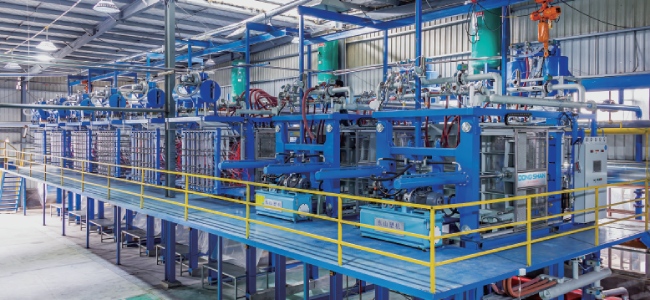



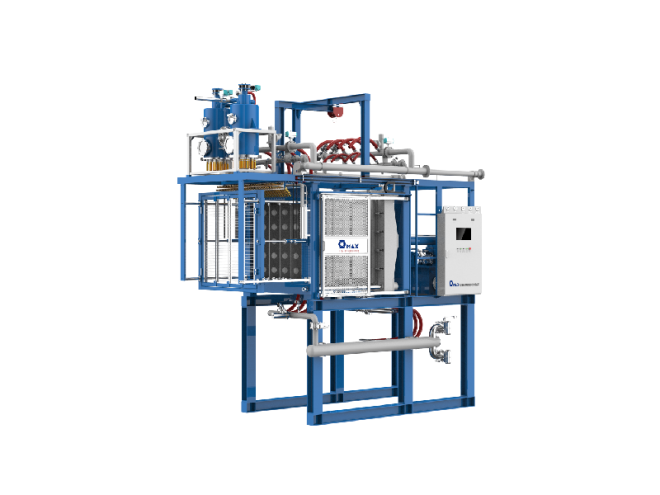
In the realm of manufacturing high-quality polystyrene foam (EPS) products, the eps shape moulding machine stands as the cornerstone of innovation and production efficiency. With its extensive application across various industries, from packaging to construction, understanding the intricacies of this technology is crucial for maximizing its performance. This article delves into the analysis of common problems associated with EPS shape moulding machines, providing insights into applications, principles, maintenance, purchasing, troubleshooting, safety, and environmental considerations.
1. Introduction to EPS Shape Moulding Machines
● A. Overview of EPS Production
EPS shape moulding machines have revolutionized the production of polystyrene foam products, which are essential in numerous sectors. These machines enable the customization of foam products through precision moulding techniques, tailored to meet specific industrial needs.
● B. Importance in Various Industries
From the packaging industry’s demand for cushioning materials to the construction sector’s need for insulation boards, EPS shape moulding machines are indispensable. They also play a pivotal role in cold chain logistics, ensuring temperature stability for perishable goods.
2. Main Applications of EPS Moulding Machines
● A. Packaging Industry
EPS moulding machines are vital for creating protective foam linings for electronics, furniture, and glass products. By reducing transport loss, they ensure the safe delivery of valuable items.
● B. Construction Field
In construction, the machines fabricate thermal insulation boards and sound insulation materials. These products are integral to the energy efficiency of modern buildings, supporting lightweight designs and effective temperature regulation.
● C. Cold Chain Logistics
The manufacture of refrigerated and insulated boxes via EPS machines is crucial for maintaining consistent temperatures during the transport of food and medicine. This capability ensures the integrity and safety of sensitive goods.
● D. Decoration and Modelling
Beyond industrial applications, EPS moulding machines facilitate the creation of foam models, advertising props, and decorative items. These products are popular in exhibitions and creative displays, offering artistic flexibility and innovation.
3. Working Principle of EPS Moulding Machines
● A. Steps: Pre-Generation, Filling, Moulding, Cooling, Demoulding
The EPS shape moulding process involves a series of methodical steps designed to transform raw EPS particles into finished products.
● B. Raw Material Pre-Treatment
Initially, raw EPS particles undergo heat treatment and pre-generation to form elastic beads. This step is critical for achieving the desired consistency and quality in the final product.
● C. Mould Filling and Fusion
Pre-generated beads are filled into the mould cavity and subjected to steam to expand and fuse them. This process forms a cohesive and solid structure within the mould.
● D. Cooling and Demoulding
After fusion, the steam supply is halted, and the product is stabilized through cooling. The mould is then opened, and the finished product is removed, marking the completion of the cycle.
4. Efficient Maintenance Strategies
● A. Mould Maintenance
Regular cleaning of moulds is essential to maintain product precision. Ensuring the smooth operation of mould guide pillars and slide rails reduces wear and tear, extending the machine’s lifespan.
● B. System Maintenance
Maintaining the steam system’s integrity through regular checks of pipeline seals and filter cleaning enhances heating efficiency. The calibration of electrical components prevents temperature deviations that could lead to defects.
5. Key Considerations for Purchasing Machines
● A. Capacity Matching
Choosing between single and multi-cavity equipment depends on production scale. Assessing the number of moulding cycles per hour is essential to balance efficiency and cost.
● B. Size and Precision
Consideration of maximum mould size and product volume is crucial. Machines with high precision are ideal for producing complex structures, such as precision packaging liners.
● C. Energy Consumption and Automation
Opt for energy-efficient machines equipped with waste heat recovery and frequency conversion motors. Automation capabilities, such as automatic loading and recycling, reduce labor dependence.
● D. Service and Compliance
Select EPS shape moulding machines from suppliers with extensive after-sales networks. Ensure compliance with ISO standards and local safety and environmental regulations.
6. Common Production Defects and Their Solutions
● A. Surface Dents and Bubbles
These defects often result from insufficient steam pressure or poor mould venting. Adjusting steam parameters and cleaning vents can mitigate these issues.
● B. Dimensional Deviations and Deformations
Uneven temperature control and inadequate cooling time lead to size inconsistencies. Calibrating the temperature control system and extending the cooling cycle can rectify these problems.
● C. Mould Release Difficulties
A rough mould surface or inappropriate release agents can hinder demoulding. Polishing the mould and using environmentally friendly release agents can improve this process.
● D. Poor Integration of Beads
High water content in pre-moulded beads often results in weak product integrity. Controlling raw material dryness and optimizing pre-moulding processes are effective solutions.
7. Safety Measures for Operation
● A. Steam and Electrical Safety
Insulating steam pipes and ensuring proper grounding of equipment prevent scalding and electrical leaks. Operators should avoid handling controls with wet hands.
● B. Mechanical Protection
Installing protective covers for transmission parts and equipping machines with emergency stop devices enhance operator safety.
● C. Raw Material Management
As EPS particles are flammable, storage areas should be well-ventilated and far from fire sources. Open flame operations are strictly prohibited.
8. Environmental Protection and Waste Disposal
● A. Recycling of Waste Materials
Recycling defective products by mixing them with new materials reduces waste and enhances sustainability.
● B. Pollution Control
Implementing steam condensate connections to sewage systems and using environmentally friendly release agents minimize environmental impact. Energy-saving technologies also reduce carbon emissions.
● C. Compliance Certification
Purchasing equipment certified by ISO 14001 ensures adherence to environmental standards, supporting industry compliance.
9. Optimizing Production Efficiency
● A. Process Improvements
Continuous process optimization enhances production efficiency. Regular updates on industry trends and technological advancements are necessary for maintaining competitiveness.
● B. Integration with Industry-Specific Needs
Understanding specific industry requirements allows for customized solutions, maximizing the value of EPS shape moulding machines. Collaboration with equipment suppliers and technical institutes is essential for specialized applications.
10. Conclusion and Future Considerations
The efficient operation of EPS shape moulding machines is contingent upon meticulous selection, standard operation, and conscientious maintenance. Manufacturers must prioritize equipment performance in alignment with production demands while ensuring safety and environmental compliance. For tailored solutions, particularly in niche markets like cold chain packaging and building insulation, consulting with manufacturers and technical experts is advisable. Such strategic approaches will enhance cost-effectiveness and boost efficiency, reinforcing the pivotal role of EPS machines in modern manufacturing.
● Dongshan EPS Machinery
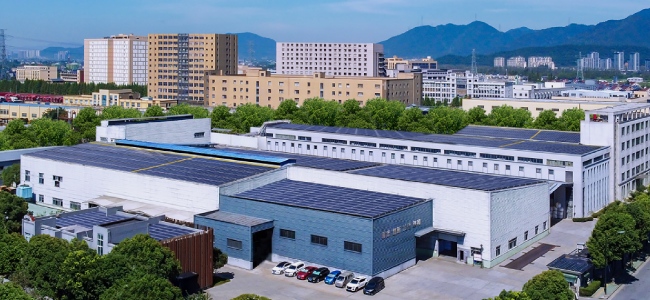
Hangzhou Fuyang Dongshan Plastic Machinery Co., Ltd. specializes in the manufacture of EPS and EPP foam plastics machines, boasting nearly two decades of innovation and quality. Situated in Hangzhou, close to major ports like Shanghai and Ningbo,
Dongshan EPS Machinery is strategically positioned for global distribution. With a strong reputation in the industry, the company proudly holds several certifications, including CE and ISO9001-2008, affirming its commitment to excellence and innovation in EPS machinery manufacturing.

 Privacy settings