




Introduction to eps expanders and Energy Efficiency
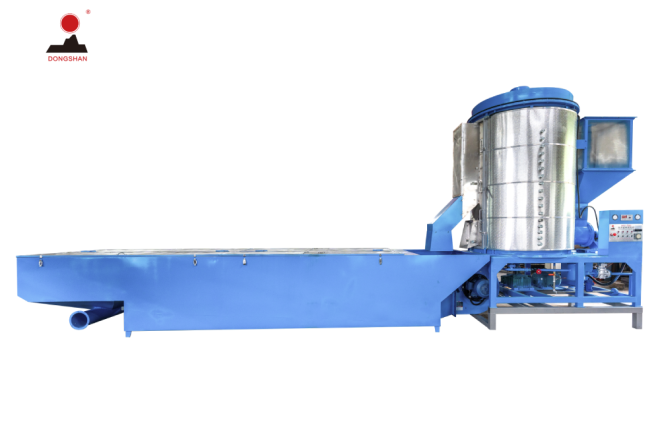
In the world of industrial manufacturing, expanded polystyrene (EPS) foam stands out as a critical material due to its lightweight, durable, and insulating properties. Primarily used in sectors like packaging, construction, and insulation, EPS foam production heavily relies on a pivotal machine: the EPS expander. As manufacturers and suppliers increasingly focus on sustainability and efficiency, understanding how modern EPS expanders contribute to energy efficiency becomes essential. This discussion delves into the advancements in EPS expanders, highlighting their benefits for high-quality production.
Technological Advancements in EPS Expanders
Precision Control Systems
EPS expanders have evolved significantly over the years, with precision control systems emerging as a key technological advancement. These systems allow for highly accurate monitoring and regulation of crucial parameters like steam pressure and temperature during the expansion process. By ensuring uniform expansion of polystyrene beads, manufacturers are better positioned to create products that meet rigorous high-quality standards.
Advanced Sensors and Automation
Incorporating advanced sensor technology, modern expanders enable automated adjustments to steam pressure and bead feed rates. This level of automation not only reduces the chances of human error but also significantly improves the consistency and quality of the final product. Suppliers can now produce EPS foam with uniform density, a critical factor for industries like construction where thermal insulation properties are paramount.
Consistent and Precise Expansion Benefits
Uniform Bead Size and Product Quality
Consistent bead size is a vital element in ensuring the delivery of high-quality EPS products. Modern EPS expanders achieve this consistency through precise control of the expansion conditions. This control leads to products with predictable performance, a requirement in demanding sectors such as construction and automotive manufacturing.
Impact on Insulation Properties
The ability to maintain consistent bead density directly impacts the thermal insulation properties of EPS materials. By utilizing expanders equipped with precision control, suppliers can offer materials that adhere to stringent thermal performance criteria, making them ideal for environmentally conscious building projects.
Energy Efficiency Enhancements in Modern Machines
Steam Recycling Systems
Energy efficiency has become a focal point in modern EPS expander design. One notable enhancement is the incorporation of steam recycling systems. By capturing and reusing excess steam generated during the expansion process, these machines minimize energy waste, resulting in substantial reductions in overall energy consumption.
Optimized Heat Distribution
Optimized heat distribution mechanisms further contribute to energy savings. By ensuring that the heat is evenly distributed during the expansion phase, less steam is required to achieve the desired expansion, enhancing both energy efficiency and cost-effectiveness for manufacturers.
Cost Benefits of Energy Efficiency
Reduction in Operational Costs
Lower energy consumption directly translates into reduced operational costs for manufacturers. By leveraging energy-efficient EPS expanders, companies can significantly cut down on their energy bills without compromising on the quality of the final product.
Competitive Advantage for Suppliers
In a market increasingly driven by sustainability, manufacturers and suppliers investing in energy-efficient technologies gain a competitive edge. Not only do they reduce their carbon footprint, but they also demonstrate a commitment to sustainable practices, attracting environmentally-conscious clients.
Faster Production with Automated Systems
Increased Throughput
Modern EPS expanders equipped with automated systems facilitate faster production cycles. These systems allow for quick adjustments to production parameters, resulting in higher throughput and the capability to meet growing market demands.
Efficiency in High-Volume Production
For high-volume industries such as packaging, massive quantities of EPS foam are required on a daily basis. Automated expanders not only increase production speed but also ensure that each batch meets high-quality standards, providing manufacturers with a reliable and efficient production solution.
Environmental Considerations and Sustainability
Energy Recovery and Emission Reduction
EPS expanders with built-in energy recovery systems help reduce emissions associated with foam production. By efficiently managing steam and energy use, these machines lessen the environmental impact, aligning with global sustainability goals.
Minimizing Waste through Efficiency
Alongside energy-saving innovations, modern expanders are designed to use raw materials more efficiently, minimizing waste. By requiring only the necessary amount of materials for each batch, these machines contribute to reduced landfill contributions, further enhancing their environmental benefits.
Raw Material Efficiency and Waste Reduction
Precision in Material Usage
With precise expansion capabilities, modern EPS expanders ensure minimal waste of polystyrene beads. By optimizing material usage, manufacturers and suppliers can decrease costs related to raw material procurement while also supporting sustainable production initiatives.
Innovations in Bio-Based EPS
The EPS industry is witnessing a shift towards bio-based materials, with some expanders now capable of processing these alternatives. Such innovations provide the same benefits as traditional EPS foams but with an added advantage of being biodegradable, thereby supporting the circular economy.
Role of Digital Control Systems in Efficiency
Automation and Real-Time Adjustments
The integration of digital control systems in EPS expanders allows for real-time monitoring and adjustments. This capability maximizes operational efficiency while reducing the likelihood of errors associated with manual interventions.
Ease of Operation for Manufacturers
Digital systems also simplify the operation of EPS expanders, allowing manufacturers to focus on strategic tasks rather than routine adjustments. By streamlining operations, manufacturers can maintain high-quality standards while benefiting from reduced labor costs.
Future Outlook for EPS Expanders
Continued Innovations for Efficiency
The demand for energy-efficient technologies will continue to drive innovations in EPS expanders. As manufacturers seek to balance cost, quality, and environmental concerns, the development of even more efficient systems is expected to take center stage.
Integration with Sustainable Practices
The future of EPS expanders lies in their integration with sustainable manufacturing practices. As industries prioritize the circular economy, expanders will play a crucial role in minimizing environmental impact while maintaining high product standards.
Dongshan EPS Machinery Provide Solutions
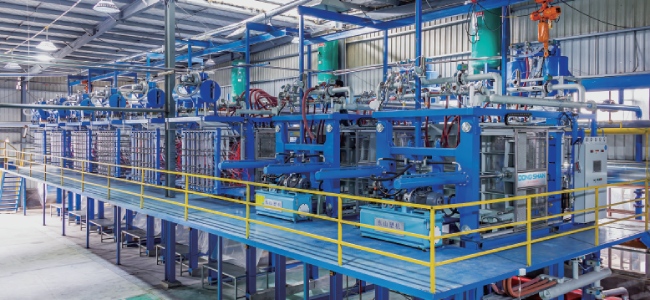
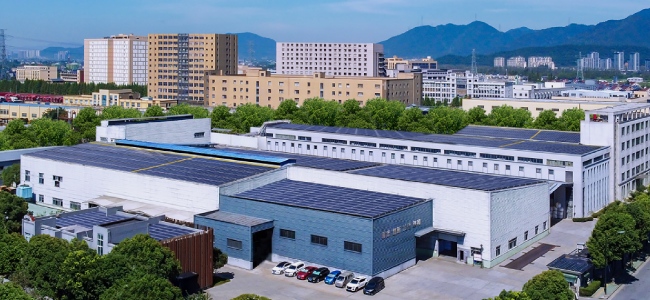
Dongshan EPS Machinery offers cutting-edge solutions for manufacturers and suppliers seeking to enhance energy efficiency in their EPS production processes. Their state-of-the-art expanders incorporate advanced technology for precise control, energy savings, and high-quality output. By reducing energy consumption and material waste, Dongshan’s machines not only lower operational costs but also align with sustainability goals. With Dongshan EPS Machinery, industries can confidently meet high-volume demands while committing to more sustainable production practices.


 Privacy settings