





Introduction to ICF Blocks
Insulated Concrete Forms (ICF) blocks have emerged as a transformative innovation in the construction industry, known for their impressive strength, energy efficiency, and sustainability. These blocks are uniquely constructed with two layers of insulation material forming a mold for concrete pouring, which makes them a popular choice for building resilient and energy-efficient structures. The production of ICF blocks involves a meticulous selection of materials and sophisticated manufacturing techniques, with ICF block molding machines playing a pivotal role in their creation. This article explores the composition, characteristics, and applications of ICF blocks, and delves into the essential function of ICF block molding machines in their manufacturing.
Materials Used in ICF Blocks
● Expanded Polystyrene (EPS) Properties and Advantages
The primary material used in the production of ICF blocks is Expanded Polystyrene (EPS), a lightweight but highly insulating foam. EPS is favored for its excellent thermal insulation properties, which aid in regulating indoor temperatures and thereby reducing energy consumption. Its light weight also facilitates easier handling during the construction process. As a high-quality eps foam molding machine is essential for creating these blocks, the role of EPS foam molding machine manufacturers, suppliers, and factories becomes crucial. Consistent quality in the EPS molding process ensures optimal performance of the ICF blocks in various construction applications.
● Role of the Concrete Core in Structural Integrity
Another fundamental component of ICF blocks is the concrete core. When concrete is poured into the EPS mold, it hardens to form a solid, structural wall. This integration of the insulating foam and concrete core creates a wall that is not only strong and durable but also significantly enhances energy efficiency. Some variations of ICF blocks might include additional insulation materials like polyurethane foam, but EPS remains the prevalent choice due to its affordability and superior insulation characteristics.
Characteristics of ICF Blocks
● Energy Efficiency and Thermal Insulation
One of the standout features of ICF blocks is their extraordinary thermal insulation capacity. The dual-layer EPS provides a continuous insulation barrier which effectively minimizes heat transfer. This helps in maintaining a consistent indoor climate while significantly cutting down on heating and cooling costs. The best EPS foam molding machines are engineered to ensure that each block meets precise specifications for maximum energy efficiency.
● Durability Against Environmental and Physical Threats
ICF blocks are renowned for their durability. The reinforced concrete structure formed when concrete is poured into the blocks offers remarkable strength and resilience against extreme weather conditions, as well as fire and pests. This characteristic makes ICF blocks a prime choice for constructing homes and buildings that demand longevity and reliability.
Sound and Environmental Benefits
● Sound Insulation Properties
ICF blocks also excel in soundproofing qualities. The combination of foam insulation and solid concrete core provides excellent sound insulation, making them ideal for both residential and commercial buildings located in noisy environments.
● Eco-Friendly Materials and Recycling Potential
ICF construction contributes to long-term energy savings over the lifespan of the building. The materials used in ICF blocks are often recyclable or derived from recycled sources, underlining their eco-friendly nature. Additionally, utilizing EPS blocks produced by high-quality EPS foam molding machines can enhance the sustainability of construction projects.
Residential Applications of ICF Blocks
● Energy-Efficient Homes
ICF blocks are extensively used in residential construction to build energy-efficient homes. Their superior insulating properties help lower energy costs while maintaining a comfortable living environment. Moreover, they offer robust protection against natural disasters like hurricanes and earthquakes, ensuring safety and comfort for inhabitants.
Commercial Uses of ICF Blocks
● Applications in Office Buildings and Schools
In the commercial sector, ICF blocks are increasingly chosen for constructing office buildings, schools, hospitals, and other large-scale facilities. Their strength, durability, and energy efficiency make them suitable for projects that require sustainable building materials. The role of EPS foam molding machine suppliers in providing consistent quality products for such large constructions is indispensable.
ICF Blocks in Foundations and Basements
● Insulated and Moisture-Resistant Qualities
ICF blocks are particularly well-suited for creating insulated foundations and basements. Their inherent moisture resistance ensures a stable and energy-efficient structure. Such qualities make ICF blocks a preferred option for architects and builders aiming to enhance the integrity and longevity of a building's foundation.
Working of ICF Block Molding Machines
● Molding Process and EPS Bead Expansion
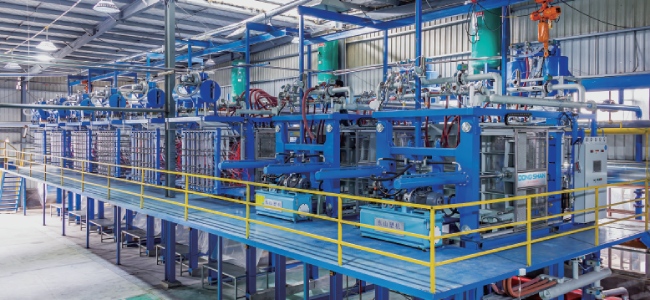
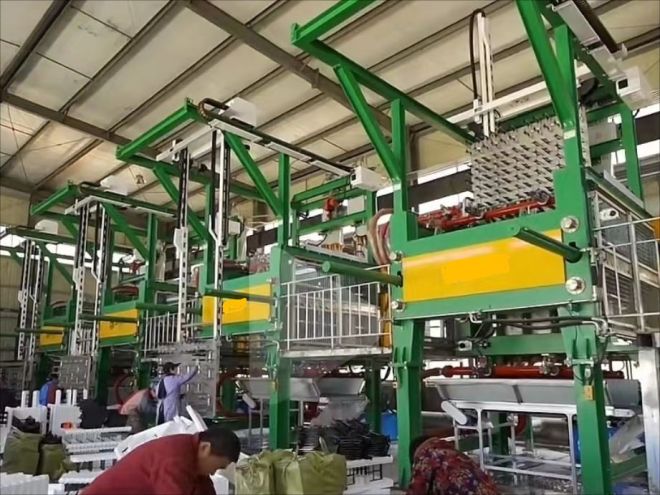
The production of ICF blocks is heavily reliant on specialized equipment known as EPS foam molding machines. These machines are engineered to produce large, uniform blocks of EPS foam, forming the outer shell of the ICF block. The process involves heating and expanding EPS beads within the machine to create solid, foam blocks that will act as the insulation layers in the ICF system. High-quality EPS foam molding machines ensure that each block is manufactured to precise specifications, essential for reliable performance in construction projects.
● Customization and Production Capabilities
ICF block molding machines offer customization options, allowing manufacturers to produce blocks of varying sizes, shapes, and densities. This flexibility is crucial for meeting specific construction requirements and ensuring versatility and precision in building applications.
Efficiency and Precision in Manufacturing
● Importance of Machine Efficiency
The efficiency of an EPS foam molding machine is paramount. These machines are designed to operate with high efficiency and precision, ensuring each block meets exact specifications. The consistency achieved in block production is vital for the optimal performance and reliability of ICF blocks in construction endeavors.
● Consistency in Block Production
Precision in the manufacturing process of ICF blocks translates into consistency, which is essential for the performance and reliability of ICF blocks in construction projects. By utilizing the best EPS foam molding machines, manufacturers can achieve this level of precision, thereby enhancing the quality and applicability of ICF blocks in diverse construction scenarios.
Conclusion: Future of ICF Blocks in Construction
ICF blocks, composed predominantly of EPS and concrete, represent an innovative solution for constructing energy-efficient and durable buildings. Their unique composition, combined with the efficiency of ICF block molding machines, makes them an ideal choice for a broad spectrum of construction applications. From residential homes to large commercial projects, ICF blocks provide exceptional insulation, strength, and long-term energy savings, securing their place as a cornerstone of modern construction. As the demand for sustainable building solutions continues to grow, the role of EPS foam molding machine manufacturers and suppliers in delivering high-quality products will become increasingly critical.
Company Introduction: Dongshan EPS Machinery
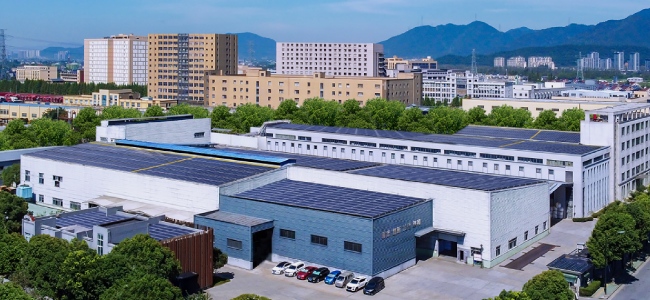
Hangzhou Fuyang Dongshan Plastic Machinery Co., Ltd. has been a leader in manufacturing EPS and EPP foam plastics machinery for nearly 20 years, integrating independent research and development with manufacturing, sales, and service. Situated in Hangzhou, a rapidly developing area near key ports like Shanghai and Ningbo, the company enjoys a strategic location with convenient transportation for export. Since 2007, Dongshan EPS Machinery has secured CE certification from the UK and ISO9001-2008 certification, recognized as a high-tech enterprise for its innovative products and trusted by industry professionals worldwide.

 Privacy settings