

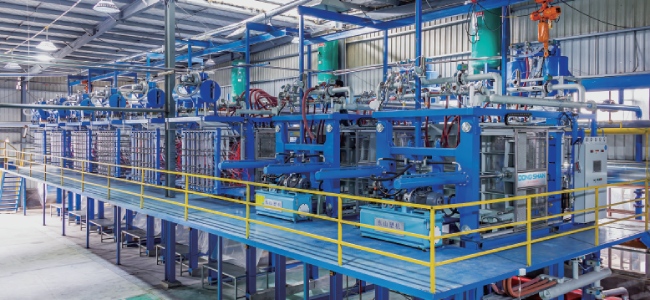



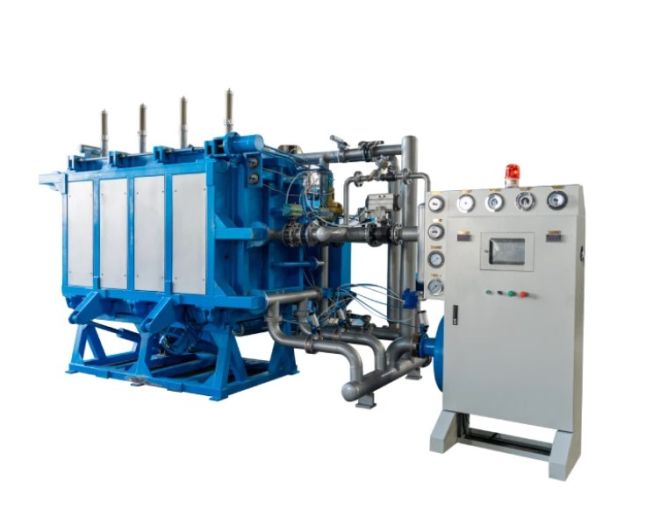
As the demand for versatile, efficient, and eco-friendly materials surges, Expanded Polystyrene (EPS) foam molders have emerged as a pivotal innovation in manufacturing. Offering high strength-to-weight ratios and excellent insulation properties, EPS foam is a sought-after material across industries. However, the journey to producing top-grade EPS products relies heavily on employing the best eps foam molders. This article delves into the various facets of EPS molding equipment, emphasizing safety, quality, energy efficiency, and more, while spotlighting leading manufacturers and suppliers.
Safety Features of EPS Foam Molders
● Understanding the 4-Fold Protection System
The integrity of EPS foam molders heavily depends on advanced safety mechanisms. A 4-fold protection system forms the backbone of these machines, ensuring that operations remain smooth and safe. This system comprises pressure gauges, safety valves, dual controls, and pressure sensors. Together, these components work in synergy to prevent accidents, thus maintaining high safety standards.
● Role of Pressure Gauges and Safety Valves
Pressure gauges and safety valves are integral to EPS molding processes. By monitoring and regulating internal conditions, they ensure that the system operates within safe parameters, preventing dangerous over-pressurization.
Quality Assurance in EPS Molding
● Utilization of Expansion Coefficient Pressure Sensor
Quality assurance in EPS foam molders revolves around precision. Expansion coefficient pressure sensors play a critical role in maintaining the desired quality by accurately measuring the expansion rate of the foam. This ensures uniformity and consistency in the final product, which is vital for delivering high-quality EPS foam.
● Benefits of PTFE Material for Sealing
Sealing is another crucial aspect of ensuring product integrity. PTFE (polytetrafluoroethylene) is the material of choice for sealing due to its excellent thermal stability and chemical resistance, promoting durability and longevity in the molds.
Enhancing Equipment Efficiency in EPS Molders
● Automatic Weighing and Conveying Systems
Efficiency is enhanced through innovations like automatic weighing and conveying systems. These systems streamline the production process by accurately measuring and transporting materials, reducing manual intervention, and potential errors.
● Importance of Remote Control and Troubleshooting
Remote control and troubleshooting capabilities allow operators to manage operations from afar, ensuring that any issues can be swiftly addressed without disrupting production, thus upholding the productivity levels of EPS foam molder manufacturers.
Energy-Saving Innovations in EPS Molding
● Role of Double-Pass Steam-Water Separator
In the realm of energy efficiency, the double-pass steam-water separator stands out. This equipment optimizes the heating and cooling processes, effectively reducing energy consumption, thereby making EPS molding operations more sustainable.
● Improvements in Heating and Cooling Systems
Innovations in heating and cooling systems further bolster energy savings. These improvements not only diminish energy usage but also extend the lifespan of the machinery, a testament to the commitment of EPS foam molder suppliers to sustainability.
Advanced Control Systems in EPS Molders
● Overview of Mitsubishi FX3U Series Programmable Controller
At the heart of advanced EPS foam molders is the Mitsubishi FX3U series programmable controller. This controller offers unparalleled precision and control over the molding process, enhancing the quality and efficiency of the output.
● Importance of Taiwan Weilun Touch Screens
Paired with Taiwan Weilun touch screens, these control systems provide an intuitive interface for operators, streamlining operations and diagnostics, thus ensuring that best EPS foam molders maintain their competitive edge.
Durability and Longevity of EPS Molding Equipment
● Significance of Construction with Square Tubes
EPS molding equipment is constructed for durability, often utilizing square tubes for a robust framework. This design choice is integral in supporting the weight and stress of prolonged use, ensuring longevity.
● High-Temperature Annealing and Gantry Processing Benefits
The incorporation of high-temperature annealing and gantry processing techniques enhances the resilience and precision of the equipment, reducing maintenance needs and extending operational life.
Improvements in EPS Block Production
● Impact of High-Speed Hydraulic Systems on Production
High-speed hydraulic systems revolutionize block production by accelerating processes without compromising on quality. This efficiency is vital for EPS foam molder factories striving to meet high demand.
● Advantages of Synchronized Ejection Systems
Synchronized ejection systems play a crucial role in maintaining the integrity of each block, ensuring that they are released from molds seamlessly, thus boosting the productivity of EPS foam molder manufacturers.
EPS Mold Cavity Specifications and Benefits
● Analyze Varying Mold Cavity Sizes and Applications
Varying mold cavity sizes cater to different applications, allowing manufacturers to produce EPS foam products tailored to specific needs. This versatility is a hallmark of high-quality EPS foam molders.
● Comparison of Block Sizes Across Different Models
Different models offer a range of block sizes, each suited to particular applications, showcasing the adaptability and value proposition of working with a leading EPS foam molder supplier.
Detailed Specification Analysis of EPS Equipment
● In-Depth Look at Steam and Compressed Air Requirements
Understanding the steam and compressed air requirements is crucial for optimizing EPS molding operations. These specifications give insight into the power and performance capabilities of the machinery.
● Understanding Vacuum, Cooling Water, and Drainage Systems
An efficient drainage and cooling water system is essential for maintaining operational integrity and preventing breakdowns, a testament to the meticulous design that goes into creating the best EPS foam molders.
Production Cycle and Output Efficiency
● Examining Production Time Per Cycle for Various Densities
Efficiency is measured not just in energy savings but also in production cycle times. Examining cycle times for different material densities provides insights into the scalability and adaptability of the equipment.
● Assessing Power Load and Overall Machine Footprint
A comprehensive assessment of power load and machine footprint underscores the importance of choosing a suitable EPS foam molder. Smaller footprints and optimized power loads mean more efficient usage of available resources.
Dongshan EPS Machinery: Excellence in Innovation
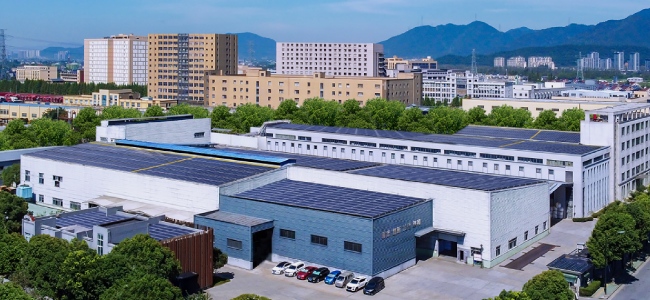
Hangzhou Fuyang Dongshan Plastic Machinery Co., Ltd. has been a leader in the EPS and EPP foam plastics machine industry for nearly two decades. With a strong emphasis on R&D, technical innovation, and quality, Dongshan EPS Machinery has established a reputation for delivering cutting-edge solutions. Located in the heart of China’s rapid development zone, their strategic position near major shipping ports facilitates efficient global distribution. Recognized for excellence with numerous certifications and patents, Dongshan's commitment to quality and service ensures their place as a premier EPS foam molder supplier worldwide.

 Privacy settings