




EPS block molding machines can feel like giant, expensive “mystery boxes” that eat energy, swallow steam, and still leave you guessing why your foam blocks look more like marshmallows than precision‑engineered products.
This 2026 EPS Block Molding Machine Industry White Paper shows clear steps to cut energy use, stabilize quality, and plan smart upgrades, backed by data from the International Energy Agency’s Tracking Industry report.
1. 📦 Global EPS Block Molding Machine Market Size, Structure, and Trends 2026
The 2026 EPS block molding machine market grows steadily, driven by insulation demand, lightweight logistics packaging, and stricter building energy codes in emerging and mature economies.
Producers upgrade to automated, energy‑saving systems to cut steam use and labor costs, while digital monitoring helps stabilize foam quality and reduce scrap rates.
1.1 Market Size and Regional Distribution
Asia‑Pacific leads growth, followed by Europe and North America, with construction, cold‑chain, and protective packaging as key demand drivers.
- Asia‑Pacific: insulation boards and ICF blocks
- Europe: renovation and green standards
- Americas: logistics packaging and prefab housing
1.2 Industry Structure and Competition
The market mixes large integrated brands and regional specialists, competing on reliability, steam efficiency, and digital service strength.
| Player Type | Key Focus |
|---|---|
| Global OEMs | Full EPS/EPP lines, automation |
| Regional Makers | Custom molds, faster support |
1.3 Policy, Standards, and Compliance
Energy codes, waste rules, and fire standards push plants to invest in cleaner boilers, closed‑loop water, and safe blowing agents.
1.4 Key Market Trends to 2026
Trends include thicker insulation blocks, higher‑density foam for helmets, and smart filling tools such as the EPS EPP Material Filling Gun for Foam Molding Machines.
2. 🏭 Core Technologies and Process Innovations in EPS Block Molding Equipment
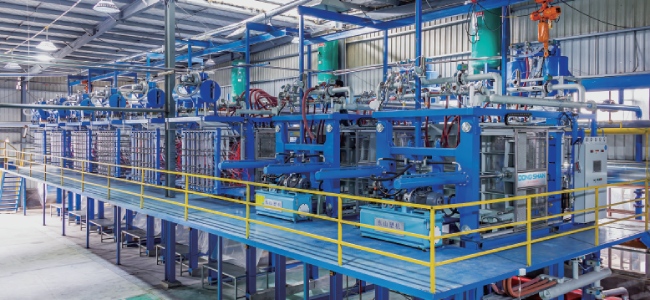
Modern EPS block molding machines use precise pre‑expansion, stable aging silos, accurate steam control, and vacuum cooling to deliver consistent foam density and strong mechanical performance.
Plants adopt PLC control, servo systems, and IoT monitoring to cut cycle time, reduce manual adjustment, and increase line uptime.
2.1 Pre‑Expansion and Aging Control
Stable density starts with smart pre‑expanders, fine steam valves, and silo aging that lets beads reach uniform temperature and pressure before molding.
2.2 Molding, Vacuum, and Cooling Optimization
Optimized steam channels and vacuum systems shorten cycles and improve fusion, key for structural products like ICF Mold blocks.
2.3 Automation, Sensors, and Smart Control
Machines now log steam, air, and cycle data; operators view dashboards and adjust recipes remotely for different densities and block sizes.
2.4 Sample Energy Benchmark (Steam Use per m³ Block)
The chart below shows a typical drop in steam use when upgrading from basic to high‑efficiency equipment.
3. 🌱 Energy Efficiency, Emission Reduction, and Green Production in EPS Molding
Green EPS molding focuses on lowering steam, water, and power use while meeting strict emission and recycling requirements across the full plant life cycle.
3.1 Energy‑Saving Designs
Closed condensate recovery, better insulation, and heat‑recovery boilers help plants reduce fuel consumption and stabilize block quality.
- Insulated piping and valves
- Efficient vacuum pumps and compressors
3.2 Emission and Waste Control
Facilities filter air, treat water, and granulate trim for reuse, keeping scrap below target and supporting circular production goals.
3.3 Recyclability and Sustainable Materials
Plants blend recycled EPS, explore lower‑impact additives, and design molds to reduce cutting loss while keeping high protection levels for helmets and insulation boards.
4. 🤝 Application Fields, Industrial Chain Collaboration, and Future Development Opportunities
EPS block molding machines serve construction, cold‑chain, appliance, and safety helmet markets, with closer work between resin makers, mold shops, and end users.
4.1 Building, Cold‑Chain, and Packaging Uses
EPS blocks turn into roof panels, wall boards, and protective packaging that keep goods safe and buildings energy‑efficient during long service life.
4.2 Collaboration Across the Industrial Chain
Machine builders, additive suppliers, and mold experts cooperate to improve fusion strength and surface finish for parts like the EPS Helmet Mold for Safety Helmet Production.
4.3 Future Growth Opportunities to 2030
Growth areas include higher‑density safety parts, prefabricated building blocks, and automated lines that can switch recipes quickly for short runs.
5. 🛠 Equipment Selection Principles and Why Choose Dongshan Plastic Machinery
When selecting EPS block molding equipment, buyers should balance capacity, energy use, automation level, and after‑sales service to lower long‑term unit costs.
5.1 Key Selection Principles
Check block size range, density window, steam demand, and integration with existing pre‑expanders, silos, and cutting systems.
- Required output (m³ per shift)
- Available steam and power capacity
- Local service response time
5.2 Total Cost and Lifecycle Considerations
Evaluate not only purchase price but also steam savings, downtime, spare parts costs, and remote diagnostic support over the full machine life.
5.3 Why Dongshan Plastic Machinery
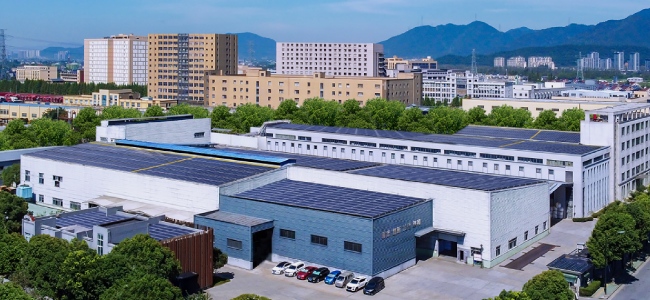
Dongshan offers complete EPS solutions, proven molds, and technical teams that help tune density, reduce defects, and optimize factory layouts.
Conclusion
By 2026, EPS block molding machines will be more efficient, smarter, and cleaner, with stronger links between material suppliers, mold makers, and end users.
Producers that invest in energy‑saving lines, digital control, and skilled partners like Dongshan can cut costs, meet rules, and win long‑term market share.
Frequently Asked Questions about eps block molding machine
1. What is an EPS block molding machine?
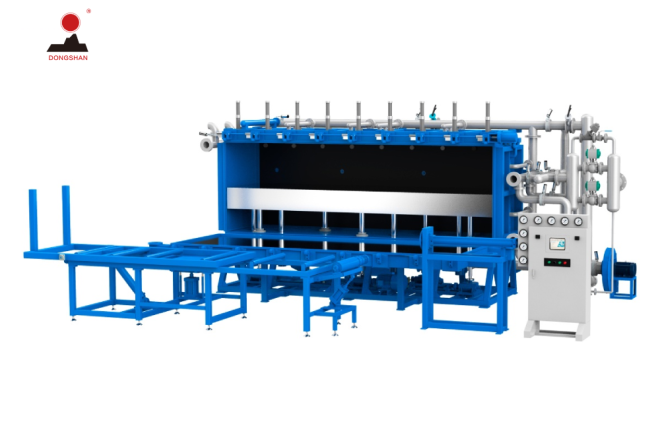
An EPS block molding machine shapes pre‑expanded polystyrene beads into large foam blocks using steam, pressure, and cooling, ready for cutting into panels or parts.
2. How do I choose the right capacity?
Estimate daily block demand, planned growth, and working shifts, then match a machine that delivers this output with safe steam and power margins.
3. How long is the normal molding cycle?
Typical cycle time ranges from 6 to 15 minutes per block, depending on block size, density, steam supply, and cooling system design.
4. Can one line handle different densities?
Yes. Operators store recipes and adjust pre‑expansion, steam time, and cooling to switch between low‑density packaging blocks and higher‑density building products.
5. What maintenance is required?
Key tasks include cleaning steam traps, checking valves and seals, greasing moving parts, inspecting safety devices, and recalibrating sensors on a set schedule.

 Privacy settings