




Foam block molding machines are a cornerstone in modern manufacturing, streamlining production processes and ensuring the creation of high-quality foam products. These machines are vital in industries such as packaging, construction, and insulation manufacturing. As technology advances, foam block molding machines have become more efficient, sustainable, and tailored to specific manufacturing needs. This article explores the intricacies of these machines, focusing on high-speed operations, cooling efficiencies, energy-saving technologies, and more.
1. The Essence of Foam Block Molding Machines
● Definition and Purpose
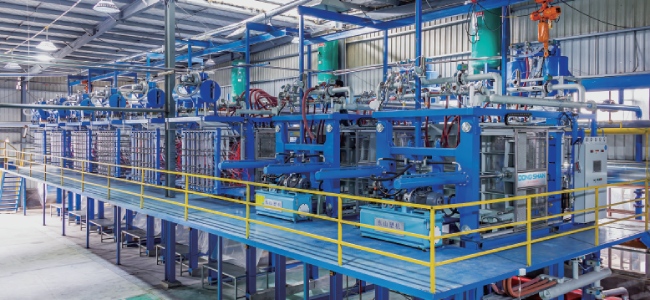
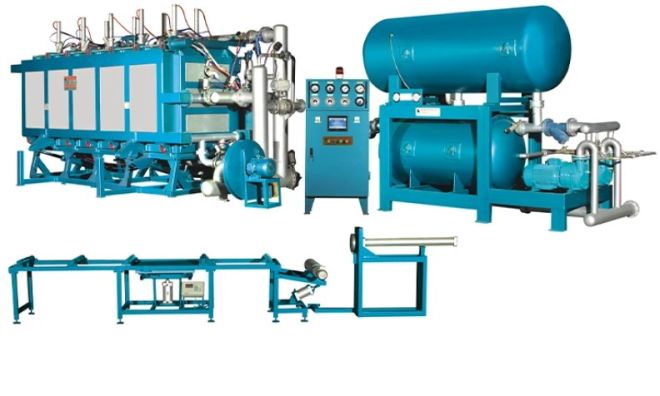
Foam block molding machines are specialized equipment used in the production of foam blocks, which are employed in various applications such as packaging, construction, and insulation. These machines are designed to mold raw foam materials into precise shapes and sizes, ensuring uniformity and quality across the production line. A high-quality foam block molding machine is essential for businesses seeking to produce superior foam products while minimizing production costs.
● Importance in Manufacturing
In the contemporary manufacturing landscape, efficiency and consistency are paramount. Foam block molding machines facilitate these by automating and optimizing the molding process. They reduce manual labor dependency and enhance production speed and reliability, which is crucial for meeting the ever-growing market demands. Additionally, these machines allow manufacturers to produce foam blocks with minimal waste, contributing to more sustainable production practices.
2. High-Speed Operation in Molding Machines
● Benefits of Fast Mold Opening/Closing
Speed is a critical factor in manufacturing, impacting both productivity and cost-efficiency. High-speed foam block molding machines are engineered to open and close molds quickly, significantly reducing cycle times. This rapid operation enables manufacturers to produce more units in less time, thereby increasing their output without compromising on quality.
● Impact on Production Efficiency
The ability of a foam block molding machine to operate at high speeds translates directly to enhanced production efficiency. Manufacturers can handle larger orders and tighter deadlines, making their operations more competitive in the global market. Moreover, high-speed machines often incorporate advanced technologies that further streamline the production process, such as automated systems and precision controls.
3. Efficiency in Cooling Systems
● Role of Fan and Vacuum Cooling
Cooling is a crucial phase in the molding process, as it ensures that the foam blocks retain their desired shape and structural integrity. High-quality foam block molding machines utilize sophisticated fan and vacuum cooling systems to achieve optimal results. These cooling systems expedite the solidification process, allowing for faster cycle times and reduced production bottlenecks.
● Extending Vacuum Pump Lifespan
Efficient cooling not only improves product quality but also extends the lifespan of the vacuum pumps used in the machines. By reducing the workload on these components, manufacturers can ensure that their machines operate smoothly over longer periods, minimizing maintenance needs and associated costs.
4. Central Vacuum Systems Advantages
● Reducing Product Humidity
A central vacuum system is a hallmark of advanced foam block molding machine technology. This feature is instrumental in reducing the humidity levels within the foam products, which can enhance their durability and performance. Lower humidity levels are particularly important in applications where the foam is subjected to variable environmental conditions.
● Enhancing Cooling Processes
Central vacuum systems work in tandem with cooling technologies to further optimize the molding process. They help maintain consistent temperature and pressure levels within the molds, ensuring that each foam block is produced to the highest standards. This system not only boosts production efficiency but also results in superior product quality and consistency.
5. Optimized Pipeline Systems for Energy Efficiency
● Minimizing Energy Waste
Energy efficiency is a key concern in modern manufacturing, both from cost and environmental perspectives. Foam block molding machines with optimized pipeline systems are designed to minimize energy waste, reducing the overall consumption of resources. This design consideration is essential for manufacturers aiming to lower their carbon footprint and operating expenses.
● Speeding Up Reaction Times
An optimized pipeline system also contributes to faster reaction times in the molding process. By efficiently channeling energy and resources to where they are needed most, these systems allow for quicker adjustments and responses to changing production demands. This flexibility is invaluable in dynamic manufacturing environments.
6. Automatic Control Technologies
● Pressure Sensors in Machine Operations
Automatic control technologies are a game-changer in the operation of foam block molding machines. These technologies often include the integration of pressure sensors, which provide real-time data on the machine’s performance. By monitoring pressure levels throughout the production process, manufacturers can ensure that their operations are running smoothly and within specified parameters.
● Reducing Inaccuracies and Malfunctions
The use of automatic control technologies significantly reduces the likelihood of inaccuracies and malfunctions in the molding process. By providing precise control over every aspect of production, these technologies help prevent errors that could lead to defective products or costly downtime. This precision is essential for maintaining high standards of quality and efficiency.
7. Energy Consumption and Sustainability
● Designing Machines for Minimal Energy Use
In today's environmentally conscious world, sustainability is a crucial consideration in manufacturing. Foam block molding machines are increasingly being designed with energy conservation in mind. These machines utilize energy-efficient components and processes to reduce consumption without compromising performance.
● Reducing Operating Costs
Lower energy usage not only benefits the environment but also leads to reduced operating costs for foam block molding machine factories. By investing in machinery that emphasizes energy efficiency, manufacturers can achieve significant savings over time. This reduction in costs allows businesses to allocate resources to other critical areas, such as research, development, and innovation.
8. Customization in Molding Machines
● Adapting to Specific Production Needs
Every manufacturing operation has unique requirements, and foam block molding machines are no exception. Customization capabilities allow these machines to be tailored to specific production needs, whether it involves different block sizes, shapes, or materials. This adaptability is crucial for manufacturers who wish to remain competitive by offering diverse product lines.
● Variability in Block Sizes and Shapes
The ability to produce foam blocks in various sizes and shapes is a distinct advantage of high-quality foam block molding machines. This versatility enables manufacturers to cater to a wider range of applications and customer demands, further cementing their position in the marketplace.
9. Applications of Foam Block Molding Machines
● Use in Packaging and Construction
Foam block molding machines are employed in numerous industries, with packaging and construction being among the most prominent. In packaging, these machines produce foam blocks used to protect goods during transit. In construction, foam is used for insulation and structural purposes, contributing to building efficiency and sustainability.
● Importance in Insulation Manufacturing
Insulation is a critical application for foam blocks, as it plays a vital role in energy conservation within buildings. High-quality foam block molding machines are essential for producing the insulation materials that meet strict regulatory standards and performance expectations.
10. Future Trends and Innovations
● Technological Advancements
The foam block molding machine industry is poised for significant advancements. Emerging technologies such as artificial intelligence, IoT, and automation are expected to revolutionize these machines, making them even more efficient and adaptable. These innovations promise to enhance precision, reduce waste, and improve the overall quality of foam products.
● Potential Impacts on Industry Efficiency
As these technological advancements are implemented, the efficiency of the foam block molding machine industry is likely to improve drastically. This improvement will benefit manufacturers by enabling them to increase production capabilities, lower costs, and respond more effectively to market demands, ultimately driving industry growth.
Conclusion
Foam block molding machines are integral to the manufacturing industry, providing essential capabilities for producing high-quality foam products. With advancements in speed, cooling efficiency, energy consumption, and customization, these machines are set to continue evolving to meet the demands of modern manufacturing.
Dongshan EPS Machinery
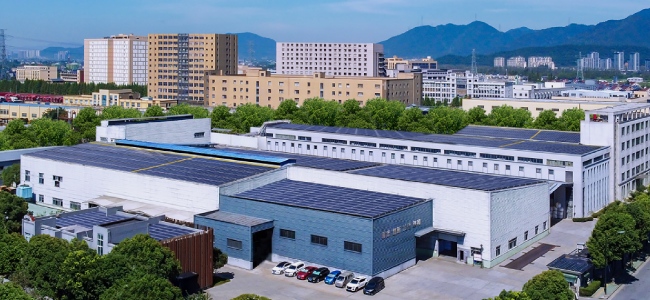
Hangzhou Fuyang Dongshan Plastic Machinery Co., Ltd., trading as Dongshan EPS Machinery, has been a leader in the foam plastics machinery industry for nearly 20 years. Specializing in EPS and EPP foam machines, Dongshan EPS Machinery excels through independent R&D and outstanding service. Located in Hangzhou, China, the company boasts strategic proximity to major ports like Shanghai and Ningbo, facilitating smooth export operations. Recognized for its innovation and quality, Dongshan EPS Machinery offers a range of products that are exported to over fifty countries worldwide, backed by a strong commitment to excellence and customer satisfaction.

 Privacy settings