




Understanding Your Foam Recycling Needs
Choosing the right styrofoam recycling machine supplier begins with a deep understanding of your own recycling needs. A strategic approach must be taken to identify the types and volumes of foam waste your operations handle regularly. This information lays the groundwork for deciding on the machine's capacity and technological specifications, which are pivotal for efficient processing.
Types and Volume of Foam Waste
Determine the average volume of Styrofoam waste produced daily in your facility. For instance, a small retail store might generate 100 kg per week, while a larger warehouse could handle upwards of 1,000 kg. Understanding these figures helps in selecting a machine with the appropriate capacity and processing power. The type of foam—be it EPS, XPS, or EPP—also dictates the kind of machine needed.
Assessing Machine Capacity Requirements
Once you understand the volume of foam waste, focus on the processing capacity required. Evaluate machines capable of handling your waste within a specific timeframe. A mismatch in capacity could lead to inefficiencies and increased operational costs.
Capacity and Efficiency Considerations
For high-volume operations, machines with a processing capacity of 200-300 kg per hour might be necessary. Smaller operations could suffice with machines processing 50-100 kg per hour. Selecting a high-quality machine that fits your requirements ensures efficient and cost-effective recycling.
Evaluating Space and Installation Constraints
Workspace limitations often dictate the choice of recycling equipment. Evaluating the available space ensures that the selected machine fits both physically and operationally, allowing for seamless integration into your existing processes.
Space Requirements and Layout Planning
Measure the available space in your facility meticulously. A compact machine may be necessary if space is limited, while larger spaces can accommodate machines with a broader footprint. Consideration of ventilation and accessibility for operation and maintenance is crucial.
Budgeting for Machine Purchase
A clear budget framework is essential when selecting a machine and supplier. Balancing cost with features and quality ensures that your investment yields long-term benefits without exceeding financial constraints.
Cost-Effectiveness Versus Long-Term Investment
Identify the budget range that aligns with your financial capacity. High-quality machines from reputable manufacturers might initially cost more but offer better durability and efficiency, reducing long-term operational costs.
Selecting Based on Material Compatibility
Different Styrofoam recycling machines are designed to process specific types of foam. Ensuring compatibility with the materials used in your operations is critical to achieving optimal recycling results.
Material Type Considerations
Select machines that can efficiently process the types of foam you handle. Machines should cater to materials such as EPS, XPS, and EPP without compromising performance. The manufacturer or supplier should provide guidance on material compatibility.
Exploring Different Machine Technologies
Different technologies offer unique advantages, influencing machine choice. From cold press compactors to hot melt densifiers, understanding the pros and cons of each technology helps align your selection with operational goals.
Technological Advancements in Recycling
Consider whether a cold press compactor’s high compression ratio of 50:1 suits your needs, or if the efficiency of a hot melt densifier, reducing foam to one-tenth its size, is more appropriate. Each technology presents trade-offs in terms of cost, output quality, and ease of use.
Evaluating Manufacturer and Supplier Reputation
High-quality recycling machinery often comes from reputable manufacturers. Researching the track record and reputation of potential suppliers is vital to ensure reliability, performance, and support.
Supplier Reliability and Customer Feedback
Investigate reviews and testimonials from other businesses using the supplier's machines. A supplier with a strong reputation for high-quality products and excellent customer service can offer peace of mind and assurance of support.
Considering After-Sales Support and Service
After-sales service is a critical component when partnering with a supplier. Effective support ensures minimal downtime and maximizes machine longevity.
Service Agreements and Warranty Options
Review the after-sales services offered, including maintenance contracts, warranty periods, and technical support. Reliable suppliers provide comprehensive service agreements that minimize operational interruptions.
Assessing Operational Simplicity and Efficiency
The ease of operation and efficiency of the recycling machine directly impacts productivity. Machines should be user-friendly, reducing training time and operational complexity.
User-Friendly Design and Operational Training
Choose machines designed with simple interfaces and clear operational guidelines. Supplier-provided training sessions can further help your team maximize the machine’s potential, ensuring efficient foam recycling.
Prioritizing Environmental and Energy Efficiency
Machines should meet environmental standards and contribute to sustainability goals. Energy-efficient designs not only reduce operational costs but also minimize the environmental footprint.
Compliance with Environmental Standards
Investigate the energy consumption and emissions of potential machines. Choosing energy-efficient models that comply with local and global standards reinforces your commitment to sustainability.
Dongshan EPS Machinery Provide Solutions
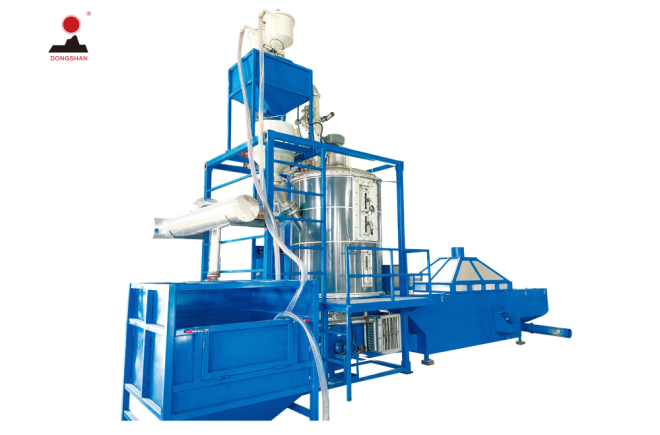
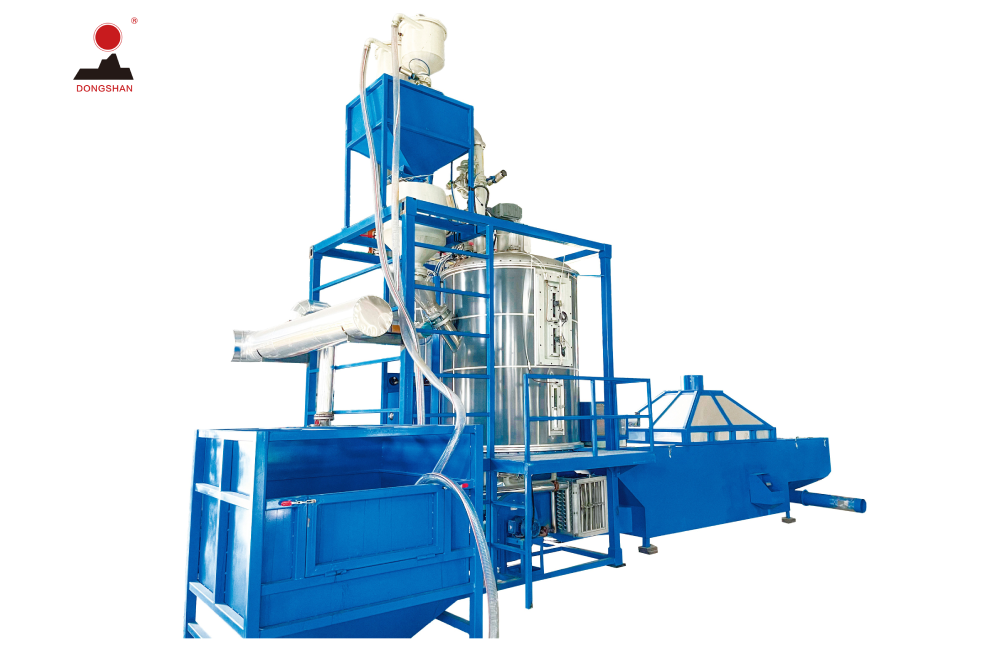
Dongshan EPS Machinery is committed to delivering tailored Styrofoam recycling solutions. With a focus on high-quality manufacturing and superior supplier reliability, we offer versatile machines that cater to different recycling needs. Our comprehensive service includes pre-purchase consultation, customized machine selection, and robust after-sales support. By choosing Dongshan EPS Machinery, you invest in efficiency, durability, and environmental stewardship.

 Privacy settings