

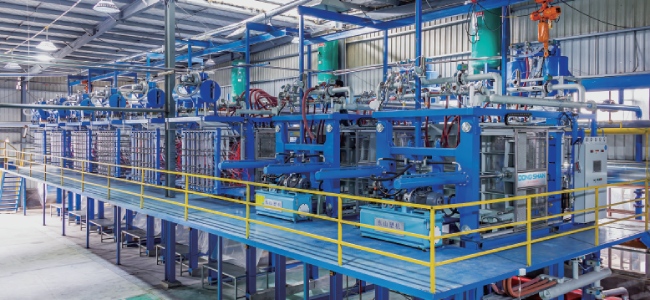



Expanded Polystyrene (EPS) is a versatile material widely used across various industries, from construction to packaging. The production of high-quality EPS materials hinges not only on primary machines but also critically on auxiliary equipment. This article delves deep into the different types of EPS auxiliary equipment, highlighting their importance, functionality, and the advantages they bring to the EPS manufacturing industry. It also shines a spotlight on one distinguished EPS auxiliary equipment manufacturer, Dongshan EPS Machinery.
1. Introduction to EPS Auxiliary Equipment
In the realm of EPS production, the term "auxiliary equipment" encompasses a range of machines and tools that support the core manufacturing process. The importance of high-quality EPS auxiliary equipment cannot be overstated. These additional components ensure efficiency, enhance productivity, and maintain the quality of the end product. The best EPS auxiliary equipment is designed to optimize the EPS production process, making it indispensable for manufacturers. EPS auxiliary equipment factories and suppliers play a vital role in delivering these high-standard machines to industries worldwide.
2. Understanding Pre-expanders in EPS Production
2.1 Functionality and Operation of Pre-expanders
Pre-expanders form the foundation of the EPS production process. They are designed to pre-expand polystyrene beads by introducing steam and air into the beads. The process involves controlled conditions where the beads expand to multiple times their original size. This step is crucial as it determines the density and quality of the final EPS product. The high-quality EPS auxiliary equipment from reputable manufacturers ensures that pre-expansion is uniform and efficient, leading to superior end products.
2.2 Advantages of Using Pre-expanders
Utilizing the best EPS auxiliary equipment, such as advanced pre-expanders, offers multiple benefits. These include precise control over bead expansion, energy efficiency, and reduction in raw material waste. Advanced pre-expanders from leading EPS auxiliary equipment factories come with features like automated controls and energy-saving mechanisms, thereby enhancing overall production efficiency and cost-effectiveness.
3. Role of Silage Systems in EPS Production
3.1 Description of Silage Systems
Following pre-expansion, EPS beads are stored and aged in silage systems. These systems ensure beads reach optimal temperature and humidity before further processing. The design of silage systems by top EPS auxiliary equipment manufacturers guarantees that the storage conditions preserve bead quality, contributing to the consistency of the final product.
3.2 Benefits of Efficient Storage and Transport of EPS Beads
Efficient silage systems from renowned EPS auxiliary equipment suppliers minimize bead breakage and energy consumption. These systems facilitate a seamless production line flow, increasing throughput and reducing operational downtime. High-quality silage systems ensure the beads are ready for the next phase of production, maintaining the integrity and quality of the EPS products.
4. Block Molds: Creating EPS Products
4.1 How Block Molds Contribute to EPS Production
Block molds are transformative in shaping EPS beads into usable forms. These molds are critical in the EPS production line, determining the product's form, density, and finish. The best EPS auxiliary equipment features block molds with high precision and durability, ensuring consistent product quality.
4.2 Techniques to Minimize Waste in Block Molding
EPS auxiliary equipment suppliers focus on optimizing block molds to minimize material wastage. Advanced block molds incorporate technology that enhances accuracy and reduces waste. By utilizing state-of-the-art block molds, manufacturers can significantly cut down on production costs and improve environmental sustainability.
5. Recycling Systems for Sustainable EPS Production
5.1 Process of Recycling EPS Waste
Recycling systems are pivotal in transforming EPS waste back into reusable raw materials. These systems are part of the high-quality EPS auxiliary equipment repertoire, emphasizing the industry’s push towards sustainability. EPS auxiliary equipment manufacturers design recycling systems that are efficient, eco-friendly, and reliable.
5.2 Environmental Benefits of Recycling in EPS Manufacturing
By incorporating recycling systems, manufacturers can substantially reduce their environmental footprint. These systems help in managing waste, conserving resources, and meeting regulatory compliance. As a result, companies that invest in the best EPS auxiliary equipment for recycling not only enhance their sustainability profile but also gain economic benefits from reduced waste disposal costs.
6. Steam Boilers in Industrial Applications
6.1 Importance of Steam in EPS Production
Steam is a vital element in the EPS manufacturing process, utilized across multiple stages, especially in pre-expansion and molding. Steam boilers, integral to high-quality EPS auxiliary equipment, provide the necessary heat and pressure required for these processes. The efficiency and reliability of steam boilers from top EPS auxiliary equipment factories ensure consistent production standards.
6.2 Various Applications of Steam Boilers
Beyond pre-expansion, steam boilers are instrumental in maintaining ideal temperatures and pressures during the molding process, ensuring product consistency and quality. Leading EPS auxiliary equipment suppliers offer steam boilers that are energy-efficient and environmentally friendly, aligning with modern manufacturing's sustainability goals.
7. Functionality of Air Compressors in EPS Industry
7.1 How Air Compressors Work
Air compressors play a crucial role in powering various components of the EPS production line. They convert power into potential energy stored in pressurized air, which is then used to operate machines and tools essential for EPS processing. High-quality EPS auxiliary equipment from reliable manufacturers ensures that air compressors are robust, efficient, and durable.
7.2 Their Application in EPS Production Processes
In EPS manufacturing, air compressors assist in tasks such as bead conveyance, mold ejection, and other pneumatic operations. The best EPS auxiliary equipment has air compressors that are designed for optimal performance, ensuring smooth and continuous manufacturing processes.
8. Usage and Benefits of Compressed Air Tanks
8.1 Storing and Managing Compressed Air
Compressed air tanks are essential components of EPS auxiliary equipment, providing a steady supply of compressed air required for various production processes. These tanks are designed to store adequate air volumes, ensuring that air supply matches production demand seamlessly.
8.2 Importance of Compressed Air in Manufacturing
High-quality compressed air tanks contribute to efficient operations, reducing energy consumption and maintaining consistent production rates. Leading EPS auxiliary equipment suppliers offer tanks that are durable and easy to integrate into existing systems, enhancing operational efficacy and reliability.
9. Automatic Shape Molding Machines in EPS Industry
9.1 Overview of Shape Molding Technology
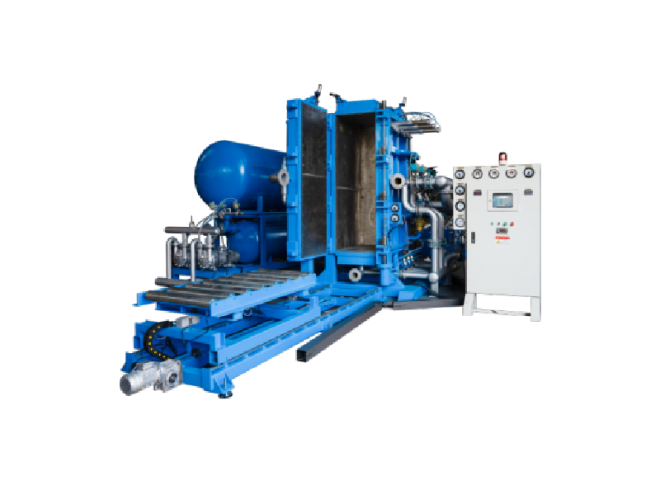
Shape molding machines represent a pinnacle of innovation among EPS auxiliary equipment. These machines allow for precise creation of intricate EPS shapes and designs, tailored to specific industry needs. Renowned EPS auxiliary equipment manufacturers provide shape molding machines that are versatile and adaptable, catering to a wide range of applications.
9.2 Applications in Packaging and Other Industries
Incorporating the best EPS auxiliary equipment, such as advanced shape molding machines, allows manufacturers to diversify their product offerings. These machines are essential in industries like packaging, where custom shapes and sizes are crucial. They ensure high-quality output, meeting industry standards and consumer expectations.
10. EPS and Its Alternate Name: Styrofoam
10.1 Common Uses of EPS/Styrofoam
EPS, commonly referred to as Styrofoam, is widely used in insulation, packaging, and product protection. Its lightweight, durable, and insulating properties make it an ideal material for a range of applications, from construction to consumer goods packaging.
10.2 Misconceptions and Proper Terminology in Context
While EPS is often colloquially referred to as Styrofoam, it's important to distinguish between brand names and generic product categories. In the context of manufacturing, using the correct terminology ensures clear communication and understanding across industry stakeholders.
Conclusion: Dongshan EPS Machinery
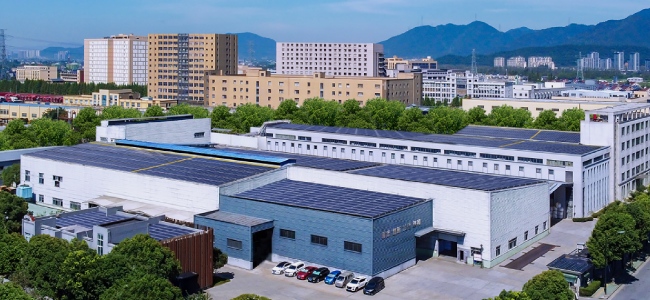
Dongshan EPS Machinery stands as a beacon of excellence in the manufacture of EPS auxiliary equipment. With almost 20 years of experience in the industry, the company is recognized for its dedication to quality and innovation. Based in Hangzhou, Dongshan EPS Machinery leverages its strategic location to facilitate global distribution, boasting an extensive network that spans over fifty countries. With accolades such as the CE and ISO9001-2008 certifications, along with numerous patents, Dongshan EPS Machinery continues to lead the industry with its cutting-edge solutions and commitment to customer satisfaction.


 Privacy settings