





Introduction to the EPS Manufacturing Process
The production of Expanded Polystyrene (EPS) is a critical process in the plastics industry, providing materials that are essential in a variety of applications, ranging from construction to packaging. EPS is cherished for its lightweight, insulating, and shock-absorbing properties. The manufacturing process of EPS involves several meticulously controlled stages, each critical to producing a high-quality product. This article takes a comprehensive look at the EPS manufacturing process, examining each step closely, and highlighting the importance of equipment such as high-quality eps batch pre expander units.
Initial Steps: Feeding and Heating
● Feeding Granulated EPS Raw Material
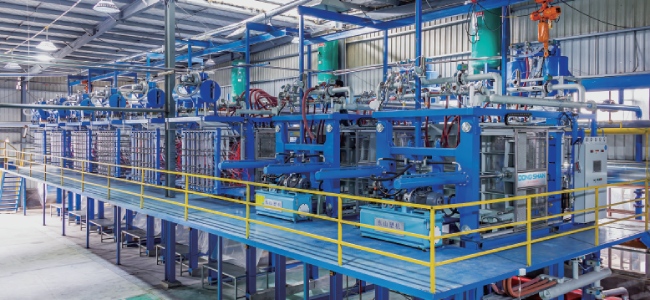
The EPS manufacturing process begins with the feeding of raw materials into the system. Granulated polystyrene beads, often containing a hydrocarbon blowing agent, are introduced into the EPS batch pre expander. The role of the EPS batch pre expander manufacturer is crucial here, as this equipment must be designed to handle the material efficiently, avoiding any loss or contamination.
● Role of Steam in the Heating Process
Once inside the EPS batch pre expander, the beads are subjected to steam. This step involves a precise heating process that softens the beads and activates the blowing agent. The expansion of these beads is critical and requires high-quality EPS batch pre expander systems to ensure consistency and uniformity.
Expansion Phase: Blowing Agent Activation
● Process of Beads Expanding and Fusing
As the temperature rises, the blowing agent vaporizes, causing the beads to expand to many times their original size. The expanded beads fuse together, forming a lightweight and stable foam. Best EPS batch pre expander systems are designed to maintain a controlled environment for optimal expansion results.
● Importance of Precise Control in the Expansion
Precision in controlling temperature and time during this phase can make the difference between a high-quality foam and a substandard product. This precision is achieved with advanced EPS batch pre expander technology, providing consistent results that meet industry standards.
Cooling and Stabilization Techniques
● Methods of Cooling Pre-Expanded Beads
After expansion, the beads must be cooled to stabilize their size and shape. Various cooling methods, such as air or water cooling, are employed, with each method having its advantages. An EPS batch pre expander factory often integrates these cooling techniques to ensure the beads maintain their expanded state.
● Stabilization Techniques to Maintain Bead Integrity
Stabilization is essential to prevent any deformation or shrinkage of the beads. High-quality equipment from trusted EPS batch pre expander suppliers often incorporates innovative solutions to enhance the stability of the expanded beads during this phase.
Pre-Expansion Purpose and Density Control
● Creating Foam Particles with Desired Properties
The primary goal of pre-expansion is to create foam particles with specific properties tailored to their intended applications. Control over the expansion process allows manufacturers to adjust the density of the foam, which is crucial for meeting diverse industry requirements.
● Application-Oriented Density Adjustments
Different applications require varying densities of EPS foam. For example, construction materials may require higher density foams for strength, while packaging might prioritize lightweight properties. EPS batch pre expander technology plays a pivotal role in achieving these density variations efficiently.
Subsequent Manufacturing Steps: Aging and Molding
● Aging Process for Cooling and Stabilization
Once the beads are cooled, they undergo an aging process. This step allows for further cooling and stabilization, ensuring that the beads are ready for the next stage of manufacturing without any risk of deformation.
● Molding Techniques to Shape the EPS
The expanded, stabilized beads are then transferred into molds where they are steamed once more, causing them to expand and fuse into the desired shapes. This molding process is critical to the final product’s shape and structural integrity.
Final Cooling and Shape Setting
● Air and Water Cooling Methods
After molding, the EPS foam must be cooled to set its shape permanently. This is achieved using air or water cooling methods, depending on the specific requirements of the final product. High-quality EPS batch pre expander systems often facilitate efficient cooling processes.
● Ensuring Shape Retention and Deformation Prevention
Efficient cooling is vital to prevent any warping or deformation of the final product. Advanced EPS batch pre expander systems include features that ensure even and controlled cooling, maintaining the integrity of the foam shapes.
Cutting and Shaping of EPS Foam
● Techniques for Precise Cutting of EPS Foam
The final stage involves cutting the molded EPS into the desired sizes and shapes. Precision cutting tools are used to ensure accuracy, and the choice of cutting technique can significantly affect the quality and efficiency of the production process.
● Tools Used in Shaping the Final Product
Various cutting tools, including hot wire and CNC cutters, are employed to shape the EPS foam. The choice of tool often depends on the complexity of the shape and the precision required. Best EPS batch pre expander technologies ensure compatibility with these cutting tools.
Challenges in EPS Production
● Common Issues in the Manufacturing Process
EPS production comes with its own set of challenges, including maintaining uniformity in bead expansion, dealing with environmental conditions, and ensuring the stability of the final product.
● Solutions to Improve Efficiency and Quality
To overcome these challenges, manufacturers invest in high-quality EPS batch pre expander systems and continuously innovate their processes. Collaboration with leading EPS batch pre expander suppliers ensures access to emerging technologies and solutions.
Future Prospects and Innovations in EPS
● Emerging Technologies in EPS Manufacturing
The EPS industry is seeing exciting advancements, with new technologies focused on improving efficiency, sustainability, and product quality. Innovations in high-quality EPS batch pre expander systems are at the forefront of these changes.
● Potential Environmental Considerations and Sustainability Efforts
Environmental concerns are driving the EPS industry towards more sustainable practices. Efforts are being made to develop EPS products that are recyclable or biodegradable, and EPS batch pre expander factories are adopting greener technologies and processes.
Company Spotlight: Dongshan EPS Machinery
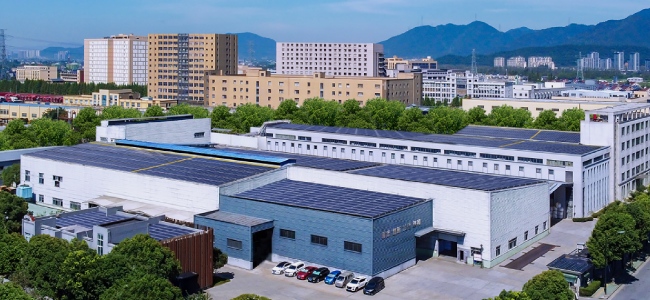
Dongshan EPS Machinery, operated by Hangzhou Fuyang Dongshan Plastic Machinery Co., Ltd., has been a leader in the EPS and EPP foam plastics machine industry for nearly two decades. Located in Hangzhou, China, the company benefits from strategic proximity to major ports like Shanghai and Ningbo. Dongshan EPS Machinery is recognized for its commitment to quality and innovation, boasting ISO9001-2008 and CE certifications. With numerous patents and a wide array of advanced machinery, Dongshan stands out as a top EPS batch pre expander manufacturer, earning a stellar reputation worldwide.


 Privacy settings