




So you finally decided to recycle polystyrene only to face a maze of pipes, panels, and manuals that look like they were translated by a sleepy robot with a grudge against clarity.
This guide walks you through installing a polystyrene recycling line step‑by‑step, using plain language and clear checks, backed by industry best practice from the European Environment Agency (EEA report).
♻️ Understanding polystyrene recycling lines and their basic working principles
Polystyrene recycling lines turn waste foam into reusable pellets. They cut, crush, melt, and filter material so factories can make new products at lower cost.
With the right design, a line can process EPS packaging, building blocks like ICF Mold offcuts, and other foam scrap into high‑quality recycled raw material.
1. Main stages of a polystyrene recycling line
The line usually includes feeding, crushing, densifying or compacting, melting, filtering, and pelletizing. Each stage must match your daily output needs.
- Feeding and pre‑sorting
- Crushing and volume reduction
- Melting and filtration
- Pellet cooling and storage
2. Key equipment and functions
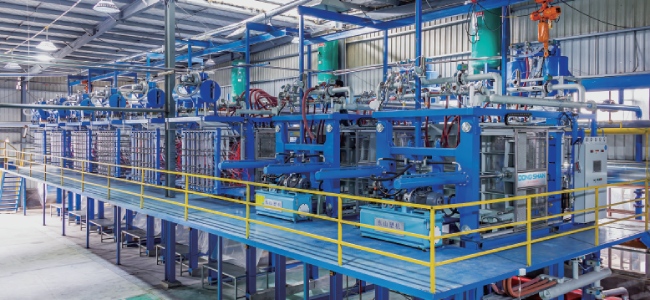
Core units work together. Proper sizing prevents blockages and saves energy, especially when linked to systems like an Industrial Cooling Tower for EPS Foam Production.
| Equipment | Main Role |
|---|---|
| Crusher | Reduces foam size |
| Densifier | Compacts loose EPS |
| Extruder | Melts and mixes |
| Filter | Removes dirt |
3. Types of polystyrene waste you can process
Recycling lines handle packaging, plates, boxes, and industrial trim. You should test sample scrap to confirm stable output quality.
- Clean EPS packaging and boxes
- Construction foam boards and cut‑offs
- Scrap from EPS Helmet Mold for Safety Helmet Production
- Selected XPS and similar foams
4. Energy use and environmental benefits
Modern lines lower energy per kg through efficient motors and heat recovery. They also reduce landfill volume and support circular production goals.
| Indicator | Benefit |
|---|---|
| Less landfill | Reduced disposal fees |
| Recycled pellets | Lower material cost |
| Energy savings | Lower power bills |
🔧 Site planning, space requirements, and safety considerations before installation
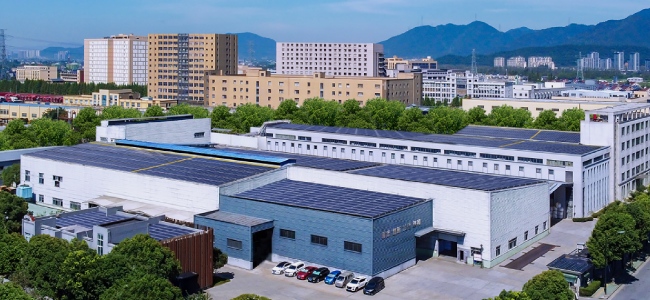
Good planning prevents later changes and production stops. Measure your workshop, check floor strength, and design safe routes for workers and forklifts.
Also plan storage areas for raw foam and finished pellets, and allow enough height for hoppers, silos, and maintenance access platforms.
1. Space layout and workflow design
Place steps in a straight or L‑shaped flow: unloading, sorting, crushing, melting, cooling, then storage. Avoid cross‑traffic to reduce accident risk.
- Inlet near delivery doors
- Clear material flow direction signs
- Walkways separated from forklifts
- Easy access for cleaning and repairs
2. Power, ventilation, and noise control
Recycling lines draw high power and produce heat, fumes, and noise. Plan power panels, exhaust fans, and acoustic barriers at the start.
3. Fire, dust, and emergency protection
EPS is flammable. Install smoke detectors, fire extinguishers, and marked exits. Control dust with covers, filters, and regular sweeping or vacuuming.
| Risk | Control |
|---|---|
| Fire | Extinguishers, no‑smoking rules |
| Dust | Local extraction and masks |
| Heat | Ventilation and cooling |
4. Worker safety training and signage
Before start‑up, train staff on lock‑out steps, safe clothing, and emergency stops. Use clear labels and pictures at every machine.
- Show safe start and stop steps
- Explain PPE: gloves, goggles, masks
- Practice emergency drills by line
🧱 Step‑by‑step installation of key polystyrene recycling equipment
Careful installation ensures smooth running and long life. Follow the manufacturer’s manual and keep a detailed checklist for each major machine.
Use qualified electricians and mechanics, and record all settings so you can repeat them after future moves or upgrades.
1. Positioning and anchoring major machines
Mark center lines on the floor, then move the crusher, densifier, and extruder into position. Leave space for access and future expansion.
- Check level using a spirit level
- Drill and fix anchor bolts
- Verify infeed and outfeed heights
2. Connecting power, control, and cooling
Install main cables, grounding, and control wiring in trays. Connect water or cooling lines, and test for leaks before energizing the line.
| Connection | Check |
|---|---|
| Power | Voltage, phase, rotation |
| Control | Signal labels and ferrules |
| Cooling | Flow and pressure |
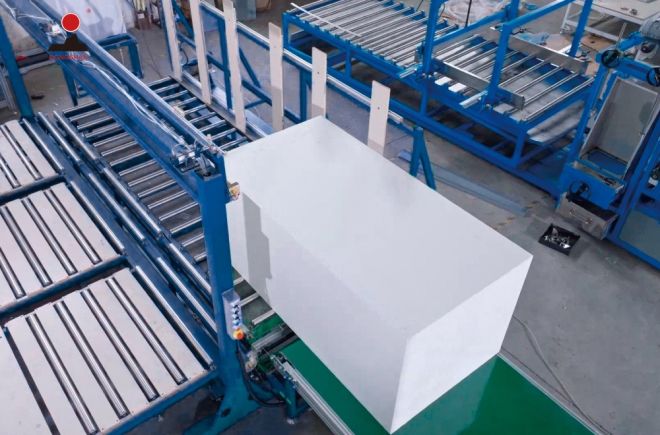
3. Installing conveyors and material handling
Align conveyors so material moves smoothly with no sharp drops. Test belt tracking and guard all pinch points with fixed covers.
- Set correct belt tension
- Install side rails to reduce spills
- Fit emergency stop ropes where needed
🧪 Testing, adjusting, and commissioning your new polystyrene recycling line
Commissioning confirms that each unit and the full line work safely together. Start with dry runs, then test with small batches of foam.
Record results so you can fine‑tune settings and repeat successful recipes later.
1. Pre‑start inspection and dry testing
Check all bolts, guards, and oil levels. Run motors without load, listen for noise, and check rotation directions and emergency stops.
- Test each motor alone
- Verify sensor and alarm signals
- Check control panel labels
2. Running first material and tuning settings
Feed small amounts of clean EPS. Adjust screw speed, temperatures, and densifier time until pellets look even and free of burnt spots.
| Parameter | Effect |
|---|---|
| Temperature | Melting and flow |
| Screw speed | Output and mixing |
| Feed rate | Stability and pressure |
3. Quality checks and documentation
Measure pellet size, bulk density, and color. Keep logs of settings, output rate, and power use to guide future improvements.
- Record start‑up curves
- Note alarms and causes
- Confirm target output per hour
🛠️ Daily maintenance tips to keep Dongshan Plastic Machinery lines running efficiently
Simple daily care avoids breakdowns and protects your investment. Train operators to spot problems early and report them quickly.
Use a clear checklist so no vital task is skipped during busy shifts.
1. Daily inspection and cleaning
Inspect hoppers, belts, and filters at the start and end of each shift. Remove foam build‑up and dust before it hardens.
- Clean crusher inlets and screens
- Empty dust bags or bins
- Wipe control panels and buttons
2. Lubrication and wear monitoring
Grease bearings and chains according to the manual. Watch for metal wear, oil leaks, and abnormal vibration or heat.
| Part | Frequency |
|---|---|
| Bearings | Weekly or as advised |
| Gearboxes | Oil check monthly |
| Belts | Tension check weekly |
3. Planning spares and service support
Keep key spare parts on site, such as blades, filters, and sensors. Arrange regular service visits and keep maintenance logs updated.
- Order spares before stock runs low
- Store manuals and wiring diagrams
- Review downtime data each month
Conclusion
A well‑planned polystyrene recycling line can turn waste foam into valuable raw material while cutting landfill and material costs.
By planning the site, installing carefully, and maintaining the line every day, you build a safe, efficient, and profitable recycling operation.
Frequently Asked Questions about polystyrene recycling machine
1. What types of polystyrene can my recycling line handle?
Most lines handle clean EPS packaging and building foam. Some systems can also process XPS or mixed foams, but tests and correct settings are important.
2. How much space do I need for a small line?
A compact line usually needs 150–250 m², including raw material and finished pellet storage, walkways, and room for forklifts and maintenance.
3. Do I need skilled engineers to run the machine?
You need trained operators who understand safety and basic process control. Complex repairs and electrical work should be done by qualified engineers.
4. How long does installation and commissioning usually take?
For a standard line, expect two to four weeks for installation and wiring, plus several days of testing and fine‑tuning with real material.
5. How often should I service my polystyrene recycling machine?
Do basic checks and cleaning daily, deeper inspections monthly, and a full service at least once a year, or as the maker recommends.

 Privacy settings