





Introduction to EPS Block Molding Machines
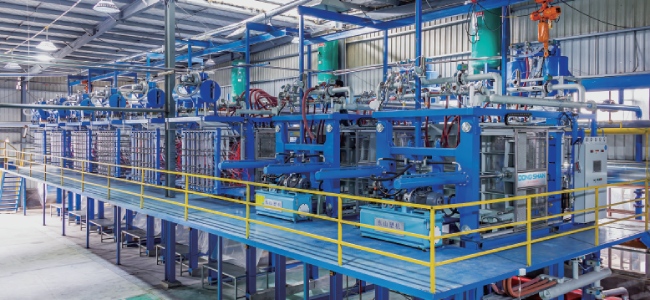
Expanded Polystyrene (EPS) block molding machines are advanced manufacturing tools that transform raw polystyrene beads into expanded polystyrene foam, widely used across various industries. EPS block molding machines heat and expand polystyrene beads, forming a lightweight, versatile material known for excellent insulation properties. As a result, EPS products are utilized in numerous commercial applications, serving as indispensable materials in the modern manufacturing landscape.
Construction Industry Applications
Insulation and Energy Efficiency
The construction industry extensively uses EPS blocks for insulation purposes. Due to their low thermal conductivity, EPS blocks maintain indoor temperature by reducing heat transfer. This feature is crucial for energy-efficient buildings, lowering heating and cooling costs significantly. These blocks are a preferred choice in constructing walls, roofs, and floors to ensure optimal energy conservation.
Structural Applications
In addition to insulation, EPS blocks play a structural role in construction. Various building components, such as void formers in concrete slabs and lightweight filler material in embankments, rely on EPS. Its lightweight nature makes it easy to handle, reducing manual labor and project timelines. As the construction industry strives for sustainable practices, EPS blocks are increasingly integral to modern building techniques.
Packaging Industry Uses
Protective Packaging Solutions
EPS blocks are a mainstay in the packaging industry, providing excellent protection for fragile goods during transit. Their shock-absorbing properties help safeguard products ranging from electronics to glassware. Manufacturers benefit from the cost-effective nature of EPS, reducing material expenses and minimizing product damage during shipping, which directly impacts customer satisfaction and bottom lines.
Customizable and Lightweight Features
The customizable nature of EPS makes it ideal for bespoke packaging solutions. EPS blocks can be molded into various shapes and sizes, accommodating specific product dimensions. This adaptability, combined with being lightweight, significantly reduces shipping costs and fossil fuel consumption, aligning with broader industry trends toward eco-friendly practices.
Automotive Industry Integration
Vehicle Component Manufacturing
The automotive industry incorporates EPS into various vehicle components, primarily for safety and comfort. EPS foam in vehicle bumpers, seating, and door panels offers impact resistance and comfort without adding significant weight. This material helps manufacturers meet safety standards while contributing to fuel efficiency goals.
Reduction of Vehicle Weight
Weight reduction is crucial for improving vehicle fuel economy and reducing emissions. EPS blocks are vital in reducing vehicle weight without compromising structural integrity. This characteristic is crucial in the production of electric and hybrid vehicles, where weight management significantly affects performance and range.
Agriculture and Fishery Benefits
Food Storage and Transportation
The agriculture and fishery sector benefits from EPS's thermal insulation properties in cold chain logistics. EPS containers keep produce, dairy, and seafood fresh during transport, extending shelf life and reducing spoilage. This benefit ensures that products maintain their quality from farm to consumer, strengthening supply chain efficiencies.
Hydroponics and Aquaponics Systems
EPS blocks are increasingly popular in hydroponics and aquaponics due to their lightweight and buoyant nature. They provide an ideal platform for plant cultivation in water-based growing systems. This use enhances water efficiency and crop yields, supporting sustainable agricultural practices in water-scarce regions.
Consumer Goods and Electronics Packaging
Electronics and Appliance Protection
For consumer electronics, EPS packaging is indispensable. It provides critical shock absorption, ensuring items like televisions, computers, and appliances reach consumers intact. EPS's low cost and high protective capabilities make it the best packaging choice for many high-tech manufacturers and retailers.
Customization for Product Specifics
Manufacturers can mold EPS to fit any electronic product's specific dimensions, delivering enhanced protection. As consumer demands grow for unique electronics, the ability to customize EPS packaging becomes increasingly valuable, ensuring products are effectively shielded from external impacts.
HVAC and Refrigeration Sector
Energy Efficiency in Heating and Cooling
EPS plays a pivotal role in the HVAC and refrigeration sector by enhancing energy efficiency. Its thermal properties improve the performance of HVAC systems within residential and commercial buildings. By reducing thermal exchange, EPS assists in maintaining consistent temperatures, thereby boosting system efficiency and reducing energy bills.
Refrigeration and Insulation
EPS insulation panels are crucial in refrigeration units, ensuring optimal temperature retention. Manufacturers and food processing factories leverage EPS to reduce cooling costs and improve system reliability. Furthermore, EPS's moisture resistance prolongs the lifespan of refrigeration systems, proving its invaluable role in this industry.
Furniture Manufacturing Applications
Lightweight Furniture Components
In furniture manufacturing, EPS offers the advantage of lightweight components. Chairs, tables, and other furniture pieces made with EPS are easier to handle and transport, reducing logistical challenges and costs. Furthermore, its adaptability in shaping and finishing allows for innovative furniture design catering to diverse consumer preferences.
Cost-Effective Production
The affordability of EPS material makes it an attractive choice for furniture manufacturers. Factories can produce high-quality, durable furniture pieces at a lower cost, appealing to budget-conscious consumers. This cost-effectiveness does not compromise product quality, ensuring a robust and appealing finish.
Creative and Artistic Uses
Set and Prop Design
EPS materials are prominent in the creative industry, serving as a critical component in set and prop design. The film and theater sectors often use EPS blocks to create realistic background scenery and props due to their lightweight and easy-to-carve nature. These attributes allow designers to quickly build and transport props without reg imbalances in production schedules.
Artistic Installations and Sculptures
Artists frequently leverage EPS for installations and sculptures due to its excellent workability. The material can be easily molded, carved, and painted, allowing for intricate designs and large-scale structures. This application exemplifies the versatility and creative potential of EPS outside traditional industrial uses.
Environmental Impact and Sustainability
Recycling and Reusability of EPS
While EPS is often criticized for its environmental impact, advancements in recycling technology have improved its sustainability profile. Recycling facilities can now process EPS waste into new products, reducing landfill contributions. Furthermore, EPS's long lifespan in insulation products contributes to sustainable construction practices.
Energy-Saving Benefits
The energy-saving benefits of EPS, particularly in construction and refrigeration, contribute significantly to reducing global carbon footprints. By improving the energy efficiency of buildings and appliances, EPS aligns with global sustainability goals, offering a path toward a greener future.
Dongshan EPS Machinery Provide Solutions
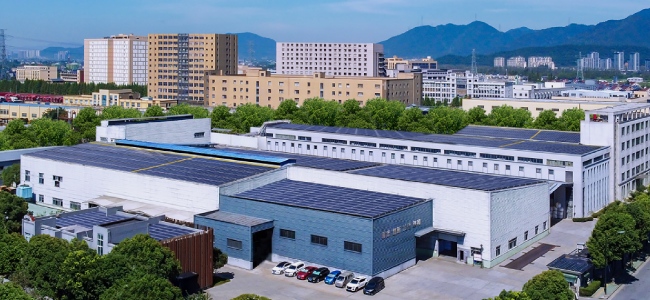
Dongshan EPS Machinery stands out as a leading manufacturer of comprehensive EPS processing solutions. Offering state-of-the-art block molding machines, they facilitate efficient and precise EPS production catering to diverse industrial needs. Their machines are engineered for durability, energy efficiency, and ease of use, ensuring that clients receive the best equipment to optimize their manufacturing processes. With a commitment to innovation and sustainability, Dongshan EPS Machinery delivers solutions that meet the growing demands for eco-friendly and high-performance materials across various sectors.


 Privacy settings