




Understanding Pre-Expanders: The Foundation of Foam Production
Introduction to Pre-Expanders
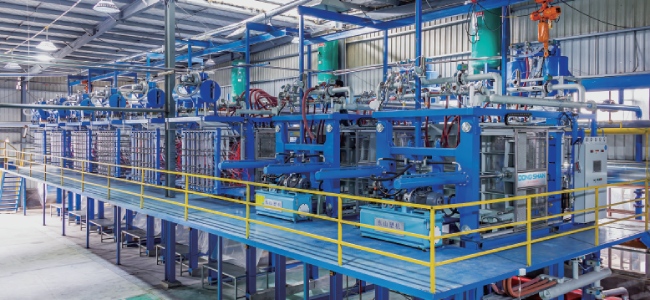
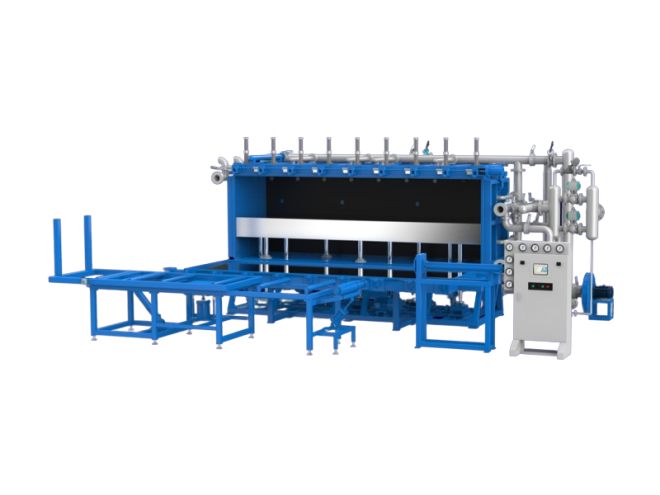
Pre-expanders play a pivotal role in the foam manufacturing industry, especially in the production of expanded polystyrene (EPS) and other foam materials. These machines are designed to transform raw polystyrene beads into expanded beads of specific densities, which are then used in a wide range of applications, from packaging to insulation. The efficiency and quality of pre-expansion significantly affect the final product's performance, making the choice of a high-quality pre-expander crucial for manufacturers.
The Working Principle of Pre-Expanders
● Process of Expanding Foam Particles
The core function of a pre-expander lies in its ability to uniformly expand polystyrene beads. This is typically achieved by introducing steam into an expansion chamber where the beads are heated and softened. The heat causes the pentane gas within the beads to expand, effectively puffing them up like popcorn. This process increases the volume of the beads while reducing their density.
● Role of Heat and Pressure
Heat and pressure are critical elements in the pre-expansion process. The steam’s temperature and pressure must be carefully controlled to ensure consistent expansion. Too much heat can rupture the beads, while insufficient heat might result in incomplete expansion. Therefore, the best pre-expanders are those that maintain precise control over these parameters, ensuring consistent bead expansion.
Key Applications of Pre-Expanders
● Use in EPS Molded Parts
One of the primary applications of pre-expanders is in the production of EPS molded parts. These parts are widely used in various industries, including construction, automotive, and packaging. By providing uniform bead expansion, high-quality pre-expanders enable the creation of EPS components with reliable mechanical properties.
● Application in Insulation Materials
In the construction industry, pre-expanded beads are used to produce insulation material. The uniformity and consistency provided by pre-expanders help ensure that the insulation panels have excellent thermal properties, which is essential for energy-efficient building design.
Pre-Expanders in the Packaging Industry
● Production of Uniform Density Products
The packaging industry relies heavily on EPS for its lightweight and protective qualities. Pre-expanders are crucial in producing EPS packaging products with uniform density, which enhances their protective qualities and ensures they are capable of withstanding various stresses during transportation.
● Advantages for Packaging and Block Products
Pre-expanders also offer advantages in the production of block products used for packaging. By achieving precise density control, pre-expanders help manufacturers produce blocks that meet exact specifications, reducing waste and improving product reliability.
Types of Pre-Expanders
● Continuous vs. Batch Pre-Expanders
There are two main types of pre-expanders: continuous and batch. Continuous pre-expanders operate in a non-stop mode, constantly feeding raw beads and expanding them at a steady rate. Batch pre-expanders, on the other hand, handle pre-expansion in specific quantities, or batches, providing higher control over the density and uniformity of the expanded beads.
● Differences in Operational Methods
The choice between a continuous and batch pre-expander depends on the production requirements. Continuous pre-expanders are ideal for operations requiring high throughput, while batch pre-expanders are preferred for applications requiring precise control over bead density and uniformity.
Advantages of Batch Pre-Expanders
● Accuracy in Controlling EPS Density
Batch pre-expanders offer superior accuracy in controlling the density of EPS beads. This is because the expansion process can be closely monitored and adjusted based on specific needs, making them ideal for specialized applications.
● Operational Benefits Over Continuous Systems
While continuous systems are known for their efficiency, batch systems provide greater flexibility and control, which can be advantageous for manufacturers looking to adjust production runs based on varying customer requirements.
Role in EPS Production Lines
● Integration in Manufacturing Processes
Pre-expanders are not standalone machines; they are an integral part of the EPS production line. They work seamlessly with other equipment, such as molding machines and cutting lines, to produce finished EPS products efficiently.
● Contribution to Quality and Efficiency
The contribution of pre-expanders to the overall quality and efficiency of EPS production cannot be overstated. By ensuring uniform bead expansion, they help optimize downstream processes, resulting in higher-quality products with less waste.
Technological Advancements in Pre-Expanders
● Innovations in Equipment Design
Recent years have seen significant innovations in pre-expander design. These advancements include more efficient steam distribution systems, improved automation for better process control, and the integration of Industry 4.0 technologies for enhanced data analysis and predictive maintenance.
● Impact on Efficiency and Output
These technological advancements have a profound impact on the efficiency and output of pre-expanders. Modern pre-expanders are capable of producing more consistent results at higher speeds, reducing production costs and increasing the competitiveness of manufacturers.
Challenges in Pre-Expander Operations
● Common Operational Issues
Despite their many benefits, pre-expanders can encounter operational issues, such as clogging, uneven bead expansion, and machine wear. These problems can affect production efficiency and product quality if not addressed promptly.
● Solutions and Troubleshooting Tips
To combat these challenges, manufacturers should ensure regular maintenance and calibration of their pre-expanders. Using high-quality materials and adhering to recommended operating procedures can also minimize the risk of operational issues.
Future Trends in Pre-Expander Technology
● Emerging Technologies and Materials
The future of pre-expander technology lies in the development of new materials and processes that enhance their performance. This includes the use of eco-friendly materials and energy-efficient processes that reduce the environmental footprint of EPS production.
● Anticipated Industry Developments
As the demand for foam products continues to grow, the pre-expander industry is expected to see further innovations and improvements. These developments will likely focus on increasing efficiency, reducing costs, and enhancing product quality to meet the evolving needs of the market.
Conclusion
Pre-expanders are essential machines in the foam industry, providing the necessary foundation for producing high-quality EPS products. Whether used in packaging, construction, or other applications, the choice of the right pre-expander can significantly impact production efficiency and product quality. As technology advances, pre-expanders will continue to evolve, offering even greater benefits to manufacturers worldwide.
About Dongshan EPS Machinery
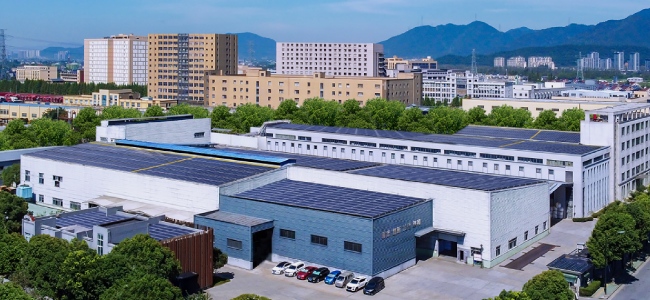
Hangzhou Fuyang Dongshan Plastic Machinery Co., Ltd., established nearly two decades ago, specializes in the manufacture of EPS and EPP foam plastics machines. Located in Hangzhou, China, a rapidly developing district, the company benefits from proximity to major ports like Shanghai and Ningbo, enhancing its export capabilities. Dongshan EPS Machinery, a high-tech enterprise with numerous patents, has gained a stellar reputation in the plastics machine industry. The company's commitment to quality and innovation is reflected in its wide range of products, including Auto Block Moulding Machines and Auto Pre-Expander Machines, exported to over fifty countries worldwide.


 Privacy settings