





Introduction to Molding Machines
Molding machines play a critical role in a variety of industries, from automotive to consumer goods, by manufacturing parts and products from different materials such as plastics and metals. The type of molding machine used depends on the specific requirements of the product and the material properties. Manufacturers are often caught in the tough decision of selecting the right machinery that aligns with their production goals and economic considerations.
Role of Molding Machines in Manufacturing
Molding machines are utilized to create objects of fixed shape and size by pouring molten material into a mold where it solidifies. The precise nature in which these machines operate allows factories to maintain consistency in product design, minimizing defects. Manufacturers especially value the ability to scale production with minimal variations, ensuring that the quality standards are met consistently.
Overview of EPS Shape Molding Machines
EPS shape molding machines are specialized for molding expanded polystyrene (EPS) into specific shapes and designs. These machines are frequently used by suppliers for creating lightweight and durable products used in packaging, construction, and other sectors.
Characteristics of EPS Shape Molding Machines
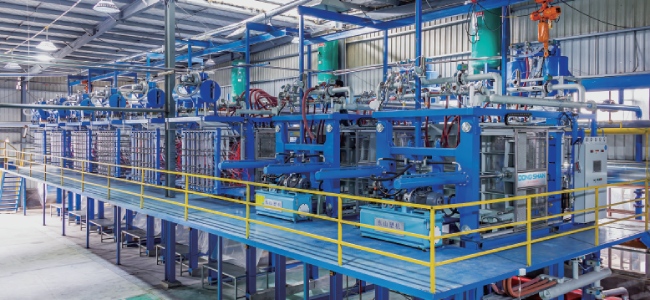
EPS shape molding machines are designed to handle the unique properties of expanded polystyrene. They can create complex shapes by using steam heat and pressure to expand the beads within the mold. These machines are equipped to handle the entire process from pre-expansion to final molding, ensuring that the products are lightweight yet strong.
General Characteristics of Regular Molding Machines
Regular molding machines encompass a broader category of equipment capable of working with various materials such as metals, plastics, and ceramics. They are versatile and can be adjusted to meet the needs of different production lines. Factories looking to produce a range of products typically invest in these types of machines due to their adaptability.
Versatility and Adaptability
One of the defining features of regular molding machines is their ability to be reconfigured for different applications. This makes them suitable for manufacturers who need to produce a diverse array of products without investing in different machinery for each material type.
Material Compatibility and Usage
The material compatibility of molding machines significantly influences the choice between an EPS shape molding machine and a regular molding machine. Suppliers must consider this compatibility to ensure efficient production and optimal product quality.
EPS Compatibility
EPS shape molding machines are specifically designed for EPS material, which has a bead-like structure that expands under heat. This specialization allows for precise control over the final shape and consistency, making it ideal for industries that require lightweight and complex designs.
Regular Molding Material Range
Regular molding machines can process a wider range of materials such as plastics, metals, and ceramics. This feature is advantageous for manufacturers who require a flexible solution to accommodate different materials without significant adjustments.
Design and Structural Differences
Design and structural elements differentiate EPS shape molding machines from regular molding machines. Understanding these differences is crucial for factories when making procurement decisions to enhance production efficiency.
Structural Components of EPS Machines
The structural design of EPS shape molding machines includes features such as steam chambers and specialized molds to accommodate the expansion properties of EPS. These machines often incorporate advanced components to ensure uniformity in density and dimensions.
Regular Molding Machine Structural Flexibility
Regular molding machines boast a modular structure that allows for easy part replacement and maintenance. This structural flexibility ensures that the machines have a longer lifespan, making them a cost-effective choice for suppliers focused on long-term production.
Operational Mechanisms and Processes
The operational mechanisms involved in EPS shape molding machines differ significantly from those of regular molding machines, influencing both productivity and end-product quality.
EPS Machine Operations
EPS shape molding machines utilize steam to expand the beads into the desired mold shape. This process requires precise control of temperature and pressure to achieve the desired properties such as density and strength. The machines are equipped with multiple stages that ensure the beads expand while retaining their intended shape.
Regular Molding Process Dynamics
- Material Heating: Regular molding machines start with the uniform heating of material before injection.
- Injection Process: The heated material is injected into molds under high pressure.
- Cooling: Materials are cooled to form the final product, ensuring high precision and surface finish.
Efficiency and Output Considerations
When evaluating the efficiency and potential output of molding machines, manufacturers must weigh the benefits of EPS shape molding machines against regular molding machines based on specific production needs.
Efficiency of EPS Machines
EPS shape molding machines have high output efficiency due to their ability to produce lightweight and complex designs rapidly. Their specialized processes and components reduce waste, making them an ideal choice for high-volume production.
Output Capabilities of Regular Machines
While regular molding machines may have lower throughput for complex shapes compared to EPS machines, they provide a broader scope of production capabilities. Their efficiency lies in the ability to switch between products and materials with relative ease.
Cost Implications and Economic Factors
The economic implications of choosing between EPS shape molding machines and regular molding machines extend beyond the initial purchase cost and encompass factors such as operating expenses, maintenance, and return on investment.
Cost Considerations for EPS Machines
While EPS shape molding machines may have a higher initial cost due to specialized components, the long-term savings from efficient production and reduced waste offer a favorable economic outlook for manufacturers focusing on EPS products.
Economic Considerations for Regular Machines
Regular molding machines offer economic viability through their versatility. The ability to shift production lines without significant investment in new machinery is beneficial for factories producing varied products, ensuring a broad market reach.
Environmental Impact and Sustainability
The environmental impact of molding machines is a significant consideration for modern manufacturers aiming to meet sustainability standards and reduce their carbon footprint.
EPS Machine Environmental Impact
EPS shape molding machines are tailored to minimize waste during the production process. Their ability to reutilize steam and control emissions aligns with sustainability goals, making them suitable for environmentally-conscious suppliers.
Regular Molding Environmental Considerations
While regular molding machines may generate more waste in comparison, advancements in technology now offer eco-friendly options, such as energy-efficient heaters and recyclable materials, which help reduce the environmental impact.
Industry Trends and Future Outlook
The future of molding machines is shaped by trends such as automation, customization, and sustainability, all of which influence the ongoing evolution of both EPS shape molding and regular molding machines.
Trends Impacting EPS Shape Molding Machines
The demand for lightweight and customizable products drives innovation in EPS shape molding machines. Manufacturers are focusing on integrating smart technologies for better precision and scalability in production.
Regular Molding Machine Future Prospects
With the rise of Industry 4.0, regular molding machines are incorporating AI and IoT technologies to enhance operational efficiency and adaptability. The future outlook is promising, with increased focus on automation and smart manufacturing.
Dongshan EPS Machinery Provide Solutions
For factories and suppliers aiming to optimize their production processes with both efficiency and precision, Dongshan EPS Machinery offers tailored solutions to meet the unique demands of EPS molding. Our cutting-edge machines are designed with the latest technology to ensure maximum output and minimal waste. Whether you're looking to enhance your current operations or undertake new projects, our comprehensive range of EPS shape molding machines provides the flexibility and reliability you need. Partner with Dongshan EPS Machinery to elevate your manufacturing standards and achieve sustainable growth in today’s competitive market.

 Privacy settings