




Still staring at that thermocol molding machine like it’s an alien spaceship, hoping the “On” button also explains how everything works?
Relax—understanding its working principle is simple, and guides like this thermoplastic processing report make the process clear and practical.
🔧 Basic structure and main components of thermocol molding machines
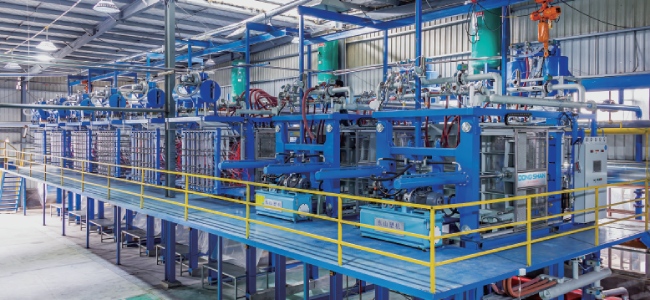
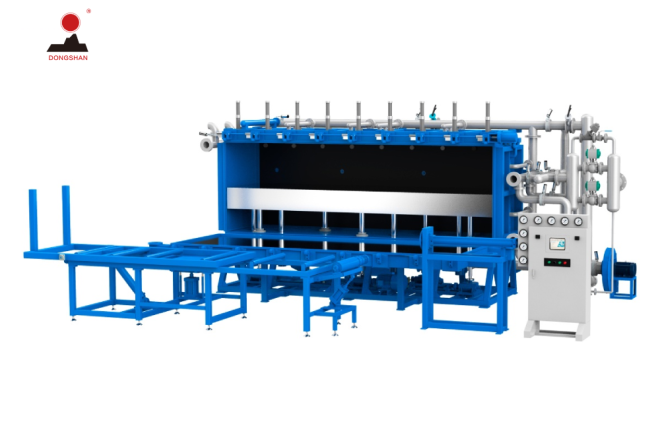
Thermocol molding machines turn EPS beads into precise foam parts. They combine mechanical clamping, steam, cooling, and control systems to give stable density and shape.
Reliable molds, accurate motion, and smart controls help produce parts for packaging, helmets, and Electric Floor Heating Mold systems with repeatable quality.
1. Rigid frame and platen system
The machine frame supports moving and fixed platens that hold EPS molds. Strong construction keeps alignment accurate during high steam pressure cycles.
- Heavy steel structure for low vibration
- Linear guides for smooth mold movement
- Large opening stroke for deep parts
2. Mold sets for custom EPS shapes
Thermocol molds define final geometry, surface finish, and vent layout. Options include packaging blocks, insulation boards, and EPS Helmet Mold for Safety Helmet Production.
- Aluminum or steel mold cavities
- Vents to release air and steam
- Integrated cooling circuits
3. Hydraulic or pneumatic clamping units
Clamping systems close the mold with stable force. This prevents flash, steam leakage, and dimensional errors during bead expansion.
| Type | Key Advantage |
|---|---|
| Hydraulic | High force, good for large molds |
| Pneumatic | Simple layout, low maintenance |
4. Electronic control and automation
PLC control panels manage recipe settings, alarms, and cycle times. Sensors track temperature, pressure, and cooling to keep quality stable.
- Touch screen HMI
- Recipe storage for different products
- Remote diagnostics on advanced models
🔥 Heating system and steam distribution for uniform thermocol expansion
Steam heats and softens EPS beads so they expand and fuse. Good steam control gives uniform density and prevents burn marks or voids.
Modern machines balance steam pressure, temperature, and time to match product thickness, bead size, and desired strength.
1. Boiler and steam supply line
The boiler generates dry, stable steam. Piping, traps, and filters keep steam clean so molds heat evenly and safely.
- Pressure regulators control supply
- Steam traps remove condensate
- Insulated pipes reduce heat loss
2. Mold heating channels and valves
Steam flows through channels in each mold. Fast-acting valves open and close based on PLC signals to follow heating curves.
| Parameter | Typical Range |
|---|---|
| Steam pressure | 0.4–0.8 MPa |
| Heating time | 20–90 seconds |
| Mold temperature | 90–115°C |
3. Steam distribution uniformity analysis
Balanced steam at each mold zone avoids warping. Simple data checks help tune valves and cycle times for consistent results across cavities.
4. Impact on cycle time and energy use
Optimized steam use shortens cycles and cuts energy costs. Good insulation and smart control reduce waste and protect components.
- Lower fuel use per molded part
- Shorter heating phases
- Better line capacity
🧊 Cooling circuits and vacuum forming shaping the final thermocol products
After heating, cooling and vacuum fix final shape. These steps lock bead fusion, reduce shrinkage, and improve part strength.
Balanced water flow and vacuum level keep dimensions accurate, especially on complex EPS and EPP parts.
1. Water cooling circuits in the mold
Chilled water flows through channels to pull heat from the foam. Flow meters and valves keep temperature stable across the mold surface.
- Shorter cooling time
- Less warping and stress
- Stable cycle repeatability
2. Vacuum forming and de-airing
Vacuum pulls soft beads against mold walls and removes trapped air. This supports fine details and smooth surfaces.
| Control Point | Effect |
|---|---|
| Vacuum level | Improves bead contact |
| Vacuum time | Reduces internal voids |
3. Demolding and dimensional stability
Once cooled, the part releases easily. Correct cooling time and vacuum reduce post-shrinkage during storage or later processing.
♻️ Material feeding, pre-expansion, and density control during molding
EPS beads must pre-expand to the right density before molding. Stable feeding and aging improve fusion and final strength.
Good control at this step supports precise parts for packaging, building, or advanced uses with an Automatic Wire Cutting Machine for EPS & EPP.
1. Raw bead feeding and screening
Clean silos and screens remove dust and agglomerates. Even bead size supports smooth pre-expansion and consistent part weight.
- Level sensors avoid overfilling
- Air conveyors lower damage
2. Pre-expander and aging silos
The pre-expander heats beads with steam so they expand and trap air. Aging silos let them cool and stabilize internal pressure.
| Stage | Main Goal |
|---|---|
| Pre-expansion | Reach target bulk density |
| Aging | Equalize pressure and moisture |
3. Density measurement and control
Simple weighing systems track density and adjust steam time. This keeps product weights stable across batches and molds.
📌 Operation workflow, safety precautions, and maintenance tips for stable production
A clear workflow and strict safety rules keep thermocol molding machines efficient. Regular checks prevent failures and long downtime.
Operators should follow set start-up, running, and shut-down steps and log all alarms and maintenance tasks.
1. Standard operation workflow
The typical cycle includes mold closing, filling, heating, vacuum, cooling, and ejection. Recipes match each product and mold.
- Verify mold and clamps
- Run automatic cycle
- Inspect first-off parts
2. Key safety precautions
Steam, hot surfaces, and moving parts need strict safety rules. Guards and interlocks must always stay active and tested.
| Area | Safety Action |
|---|---|
| Steam zone | Wear heat protection |
| Moving platens | Use interlocks and light curtains |
3. Preventive maintenance and cleaning
Planned maintenance on molds, valves, and hydraulics reduces unplanned stops. Cleaning vents and filters supports stable steam and cooling flow.
Conclusion
Thermocol molding machines turn simple EPS beads into accurate foam products through controlled heating, cooling, and vacuum. Strong frames, smart molds, and stable utilities keep quality high.
By focusing on density control, safe operation, and preventive maintenance, factories can extend machine life and achieve efficient, repeatable thermocol production.
Frequently Asked Questions about thermocol molding machine
1. What is the main working principle of a thermocol molding machine?
The machine fills a closed mold with pre-expanded EPS beads, heats them with steam to fuse, then cools and applies vacuum to fix the final shape.
2. How do I control product density and weight?
Adjust pre-expander steam time and pressure to reach target bulk density, then fine-tune mold fill time and bead load for consistent part weight.
3. Why is pre-expansion and aging important?
Pre-expansion sets basic density, while aging allows beads to release moisture and stabilize internal pressure, which improves fusion and reduces warping.
4. How often should molds and vents be cleaned?
Clean vents and mold surfaces on a fixed schedule, often daily or weekly, depending on dust level and cycle count, to keep heating and cooling even.
5. Can one machine handle different thermocol products?
Yes. By changing molds, recipes, and density settings, the same machine can produce packaging blocks, insulation panels, helmets, and other custom foam parts.

 Privacy settings