





1. Overview of Thermocol Moulding Materials
● Introduction to Key Materials
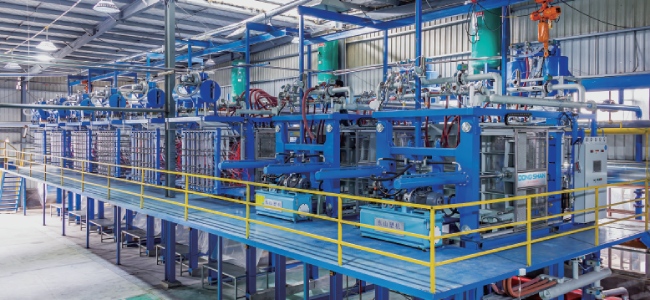
Thermocol shape molding machine involves crafting foam products through moulding processes, predominantly utilizing expanded polystyrene (EPS), extruded polystyrene (XPS), and polyurethane foams. The choice of material significantly affects the quality, durability, and functionality of the final product. This article sheds light on the advantages and disadvantages of each type of foam, providing insights for manufacturers aiming to produce high-quality thermocol moulding solutions.
● Importance of Material Selection
Selecting the right material is vital for creating products that meet specific requirements, such as insulation, cushioning, and durability. Each type of thermocol has unique characteristics that make it suitable for different applications. Professional manufacturers must understand these nuances to offer the best thermocol shape moulding machines and solutions to their clients.
2. Characteristics of Expanded Polystyrene (EPS)
● Lightweight and Insulating
EPS is renowned for its lightweight nature and excellent insulating properties. It's widely used in packaging, construction, and consumer goods for its ability to cushion and protect items while also providing thermal insulation. The production process, which involves expanding polystyrene beads with steam, results in a material that is both cost-effective and versatile.
● Cushioning Properties
One of the hallmarks of EPS is its exceptional cushioning capabilities. Its cellular structure can absorb and dissipate energy, making it an ideal choice for packaging fragile items. This quality is particularly beneficial for companies that require high-quality thermocol shape moulding machines to produce protective packaging materials.
3. Advantages of Extruded Polystyrene (XPS)
● Moisture Resistance
XPS is a denser and more rigid alternative to EPS, offering superior moisture resistance and thermal insulation. Its closed-cell structure prevents water absorption, making it a preferred choice for applications in damp environments, such as foundation insulation and roofing.
● Insulation Improvements
The thermal performance of XPS is superior to that of EPS, making it an excellent choice for energy-efficient building solutions. Manufacturers looking to produce top-quality insulated products can benefit from investing in the best thermocol shape moulding machines designed for XPS.
4. Polyurethane Foam in Thermocol Moulding
● Flexibility and Durability
Polyurethane foam stands out for its flexibility and durability, making it suitable for a wide range of applications, including furniture, automotive seating, and bedding. Its ability to conform to various shapes enhances the comfort and utility of the products it is used in.
● Common Applications
The versatility of polyurethane foam makes it ideal for industries requiring both comfort and support. Manufacturers and suppliers of thermocol shape moulding machines can leverage this foam's properties to expand their product offerings and cater to diverse market needs.
5. Compatibility with Other Thermoplastic Foams
● Polyethylene and Polypropylene Foams
Polyethylene and polypropylene foams are other popular alternatives used in thermocol shape moulding. These foams offer unique properties like chemical resistance and compressive strength, making them suitable for specialized applications, including automotive components and sports equipment.
● Machine Adaptability
When selecting a thermocol shape moulding machine, manufacturers must ensure compatibility with various thermoplastic foams. High-quality machines should be versatile enough to handle different materials, offering a competitive edge to thermocol shape moulding machine manufacturers and suppliers.
6. Enhancing Thermocol with Additives
● Fire Resistance and UV Stability
To enhance the performance of thermocol products, additives are often used to improve properties such as fire resistance and UV stability. These enhancements are crucial for safety and longevity, particularly in construction and outdoor applications.
● Role of Coatings
Coatings can also be applied to thermocol products to further enhance their appearance and functionality. Whether it's improving water resistance or adding decorative finishes, coatings extend the applications of thermocol products, offering new opportunities for manufacturers.
7. Consulting Machine Specifications
● Importance of Compatibility Check
Before selecting a thermocol shape moulding machine, it's essential to consult the machine's specifications to ensure compatibility with the desired materials. A high-quality thermocol shape moulding machine should be versatile and efficient, facilitating seamless production processes.
● Manufacturer Recommendations
Manufacturers should provide detailed recommendations and guidelines to help clients select machines that suit their specific needs. Expert advice can assist customers in making informed decisions, ensuring they invest in the best thermocol shape moulding machine for their production requirements.
8. Environmental Considerations in Material Selection
● Sustainability and Recyclability
With increasing environmental consciousness, the demand for sustainable and recyclable materials is growing. EPS has made strides in recyclability, though more eco-friendly alternatives are continuously being developed. Thermocol shape moulding machine suppliers should consider offering solutions that minimize environmental impact.
● Eco-Friendly Alternatives
Innovations in biodegradable and renewable materials are emerging as viable alternatives to traditional thermocol. These options provide an opportunity for manufacturers and suppliers to position themselves as leaders in sustainable production practices.
9. Case Studies of Material Applications
● Industry-Specific Uses
Different industries utilize thermocol in unique ways. For instance, the packaging industry benefits from EPS's cushioning properties, while the construction sector values XPS for its thermal insulation. By understanding these applications, manufacturers and suppliers can tailor their offerings to meet specific industry demands.
● Success Stories with Various Foams
Several companies have successfully leveraged the properties of different foams to innovate and enhance their product lines. These success stories serve as inspiration for manufacturers and suppliers aiming to deliver top-notch thermocol shape moulding solutions.
10. Future Trends in Thermocol Moulding Materials
● Innovations and Emerging Materials
The thermocol industry is witnessing rapid technological advancements, with new materials and processes being developed to enhance product performance and sustainability. Keeping abreast of these innovations is vital for maintaining a competitive edge.
● Anticipated Industry Shifts
As the industry evolves, we can anticipate shifts towards more sustainable practices and the adoption of cutting-edge technologies. Manufacturers and suppliers that embrace these changes will be well-positioned to meet the evolving needs of their clients.
Introducing Dongshan EPS Machinery
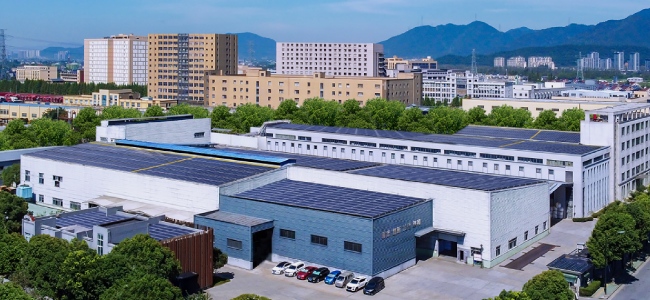
Hangzhou Fuyang Dongshan Plastic Machinery Co., Ltd. is a prominent name in the production of EPS and EPP foam plastics machines. With nearly 20 years of expertise in independent R&D, manufacturing, sales, and service, Dongshan EPS Machinery has established itself as a high-tech enterprise recognized for its innovative products. Based in Hangzhou, the company benefits from a strategic location near major ports, facilitating convenient export. Dongshan EPS Machinery holds numerous patents and certifications, symbolizing its commitment to quality and innovation in the thermocol shape moulding machine industry.

 Privacy settings