




1. Introduction to EPS Machines and Their Role
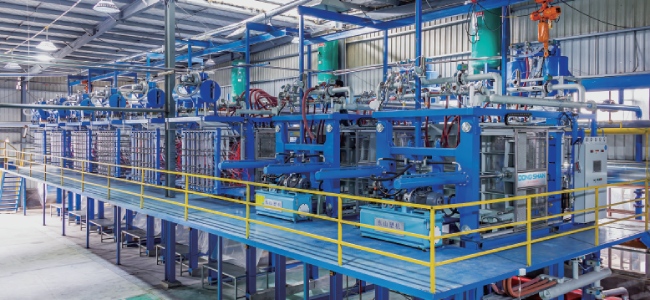
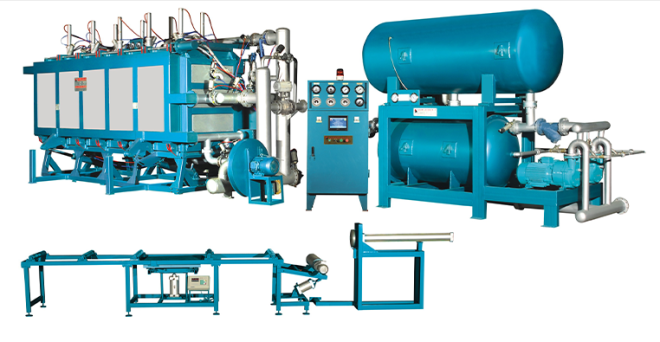
Expanded Polystyrene (EPS) is a material commonly used in numerous sectors due to its excellent properties such as light weight, thermal insulation, and cushioning abilities. EPS machines play a crucial role in transforming polystyrene pellets into these versatile foam products. Understanding these machines, particularly high-quality and the best polystyrene foam making machines, is essential for manufacturers and suppliers aiming to produce superior foam products.
● Overview of EPS Machine Applications
EPS machines are the backbone of industries such as construction and packaging, producing materials like insulation panels, packaging cushions, and even architectural shapes. These machines enable manufacturers to create consistent, high-quality foam products that meet the demands of various applications.
● Importance of EPS in Modern Industries
The significance of EPS extends beyond its versatility. It plays a vital role in enhancing product protection, reducing shipping costs due to its light weight, and providing energy-efficient insulation solutions. The continued evolution of EPS technology, led by innovative polystyrene foam making machine manufacturers, is expanding its application scope.
2. Pre-Processing of Polystyrene Pellets
Before polystyrene can be transformed into foam, it undergoes a preparatory phase that ensures optimal expansion.
● Selection of Quality Polystyrene Materials
The journey begins with selecting high-quality polystyrene resins. The quality of the input material significantly impacts the final product, making it crucial for manufacturers to partner with reputable polystyrene foam making machine suppliers who can provide superior raw materials.
● Preparing Pellets for Expansion
Once the raw material is selected, it is converted into pellets, which are then pre-heated to a specific temperature to prepare them for the expansion process. The precision of this step is vital in ensuring uniformity and quality in the final foam.
3. Heating and Expansion Mechanism
At the heart of EPS production lies the expansion process, where small pellets transform into large foam beads.
● Role of Heating System in Expansion
The heating system is a fundamental component of any best polystyrene foam making machine. It provides the necessary heat to facilitate the expansion of polystyrene beads. Manufacturers must ensure their machines offer precise temperature controls for consistent product quality.
● Introduction and Function of Blowing Agents
Blowing agents are critical in the expansion phase. These agents, often pentane gas, help in expanding the polystyrene pellets into foam by creating gas bubbles within the beads. The choice and handling of blowing agents are crucial for achieving the desired foam characteristics.
4. Chemical and Physical Changes in Foaming
During the expansion, several chemical and physical transformations occur, which are pivotal to the quality of the final product.
● Chemical Reactions During Foaming Process
The expansion process involves a transformation at the molecular level, where the blowing agent vaporizes and creates gas cells within the polymer matrix. This expansion is a result of the gas pressure exceeding the atmospheric pressure, which is meticulously controlled by the polystyrene foam making machine.
● Physical Transformations Leading to Pellet Expansion
As the gas within the pellets expands, the beads increase significantly in size, sometimes up to 50 times their original volume. This transformation is key to producing the lightweight nature of EPS foam.
5. Moulding Techniques and Their Significance
Once expanded, the foam beads must be shaped into usable products through moulding, a process that heavily depends on the quality of the moulding machine.
● Importance of Mould Design in EPS Production
The mould design is critical as it determines the final shape and density of the EPS product. High-quality polystyrene foam making machines allow for precise moulding capabilities, ensuring consistency and accuracy in the final products.
● How Cooling Affects the Moulding Process
Cooling plays a vital role in solidifying the expanded beads into a single, cohesive structure. This process must be carefully managed to ensure the integrity and strength of the final product, highlighting the importance of advanced polystyrene foam making machine technology.
6. Demoulding Process and Techniques
Following moulding, the EPS product is removed from the mould in a process known as demoulding.
● Removing EPS from Moulds Efficiently
Efficient demoulding is essential to maintaining the quality of the finished product. Advanced machines from leading manufacturers are designed to facilitate smooth and trouble-free demoulding processes.
● Challenges and Solutions in Demoulding
While demoulding can present challenges, such as sticking or deformation, modern polystyrene foam making machines are equipped with features to address these issues, ensuring high-quality production standards.
7. Post-Processing for Product Customization
Once demoulded, EPS products often undergo additional processing to meet specific customer needs.
● Methods for Cutting and Welding EPS
Polystyrene foam making machine factories offer a range of post-processing options, including cutting and welding, to customize EPS products according to specific requirements. Advanced technology allows for high precision in these processes.
● Customization to Meet Specific Product Needs
Whether it's altering the shape, size, or even adding layers for enhanced functionality, the ability to customize EPS foam is crucial. Leading suppliers focus on providing machinery that supports extensive product customization.
8. Quality Inspection of Finished EPS Products
Before reaching the market, EPS products undergo rigorous quality inspections to ensure they meet industry standards.
● Criteria for Ensuring EPS Product Quality
Quality control involves checking for uniformity, density, and structural integrity. The best polystyrene foam making machines are equipped with technology that supports these quality assurance processes.
● Techniques Used in Final Product Inspection
State-of-the-art inspection techniques, including visual inspections and automated quality checks, play a critical role in maintaining high standards in EPS production.
9. Versatility and Applications of EPS Machines
EPS machines are incredibly versatile, producing a wide range of products that serve diverse industries.
● Diverse Products Manufactured Using EPS Machines
From insulation panels to packaging materials, EPS machines contribute to a broad array of products. This versatility underlines the importance of investing in high-quality EPS machines from reputable manufacturers.
● EPS in Insulation, Packaging, and Beyond
EPS materials offer unmatched benefits in thermal insulation and shock absorption, making them invaluable in construction and logistics, showcasing the adaptability of EPS machines.
10. Future Trends and Innovations in EPS Technology
The EPS industry is on the cusp of technological advancements that promise to enhance production efficiency and environmental sustainability.
● Emerging Technologies in EPS Production
Innovations such as automation, IoT integration, and AI-enhanced controls are revolutionizing EPS production, offering manufacturers new possibilities in efficiency and precision.
● Sustainability Advancements in EPS Manufacturing
As the world moves towards sustainable practices, EPS technology is evolving to reduce environmental impact. Leading polystyrene foam making machine suppliers are investing in eco-friendly technologies and practices.
Conclusion
In conclusion, the art of polystyrene foam production is an intricate and evolving field. With the right machinery and partners, manufacturers can produce high-quality foam products that meet the diverse needs of modern industries. The focus on innovation and quality is crucial for staying ahead in this competitive market.
● About Dongshan EPS Machinery
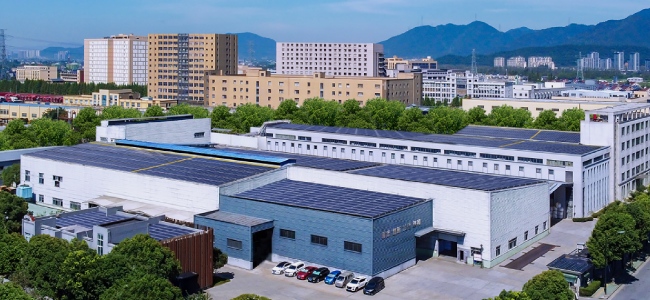
Hangzhou Fuyang Dongshan Plastic Machinery Co., Ltd. has been a distinguished manufacturer of EPS and EPP foam plastics machines for nearly two decades. Based in Hangzhou, a rapidly developing district in China, Dongshan EPS Machinery benefits from excellent geographical and transportation advantages. Certified with the CE and ISO9001-2008, and recognized as a high-tech enterprise, Dongshan focuses on quality and innovation. Their products, known for efficiency and energy-saving features, are exported worldwide, earning them a stellar reputation in the plastic machinery industry.

 Privacy settings