




Importance of Regular Maintenance
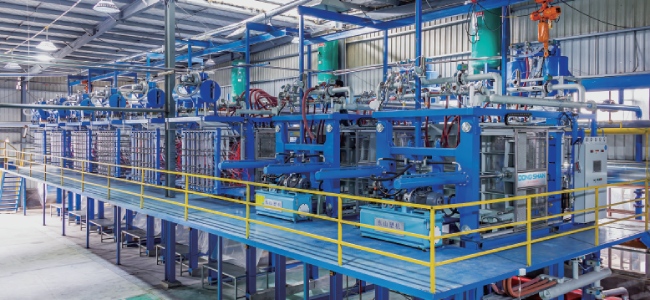
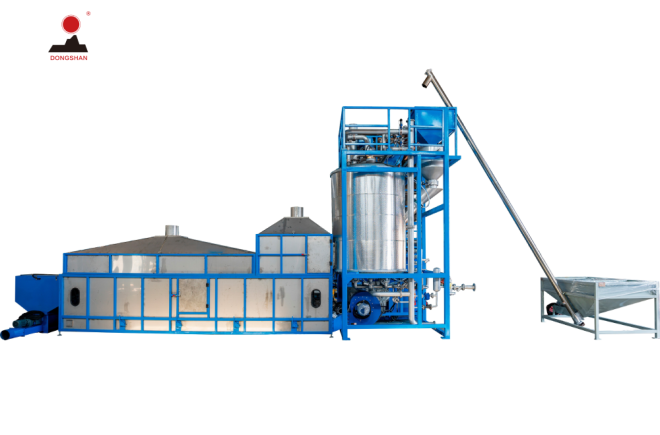
Maintaining a styrofoam machine is crucial for ensuring its longevity and optimal performance. Regular maintenance not only reduces downtime but also improves production efficiency and extends the equipment's lifespan. Overlooking maintenance can lead to increased wear and tear, potentially resulting in costly repairs or replacements. For both the best operational efficacy and to uphold factory standards, consistent maintenance schedules are essential.
Daily Cleaning Routines
Pre-Expander Cleaning
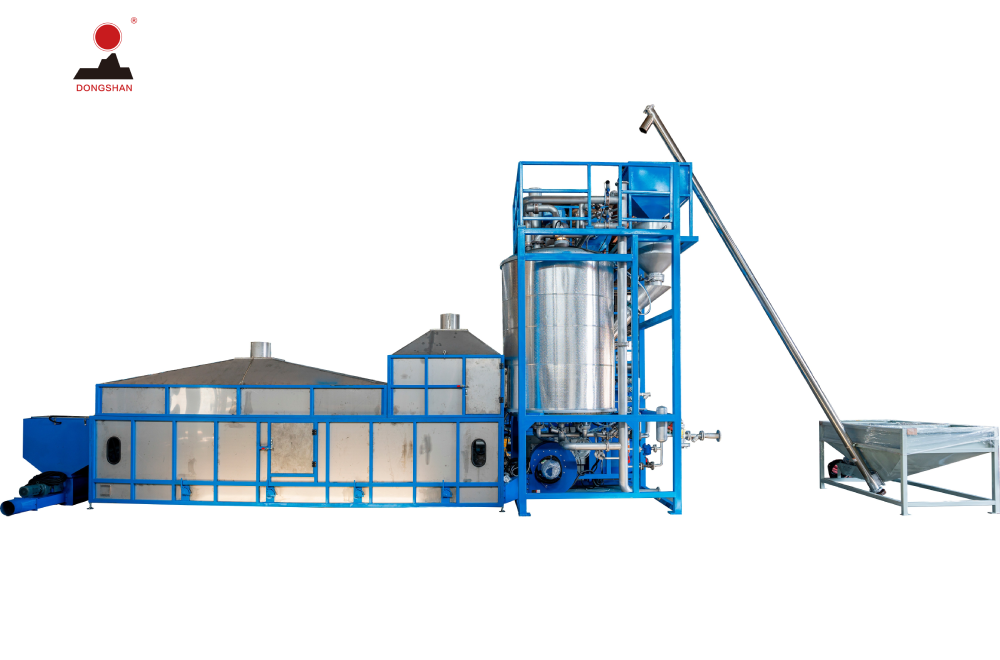
One of the daily tasks involves cleaning the pre-expander section of the Styrofoam machine. Residual foam beads can cause blockages if not removed regularly. It is advisable to clean this part after each production cycle.
Mold Surface Cleaning
Residual particles can cause molds to stick, impacting product quality. After each production cycle, molds should be thoroughly cleaned to prevent any sticking issues. This practice is not only beneficial for product quality but also reduces the risk of operational interruptions.
Inspection of Moving Parts
Agitator and Mixing Blades
The agitator and its mixing blades are integral components of a Styrofoam machine. They should be inspected for deformations or signs of wear. Bearings need to be lubricated regularly to ensure smooth operation.
Seal and Gasket Checks
Inspect mold sealing strips for any aging or damage. A compromised seal can lead to steam leaks, which significantly hamper the machine's operation and efficiency.
Steam System Upkeep
Trap Maintenance
The steam system's traps should be cleaned regularly to prevent condensate accumulation. This practice helps maintain consistent steam pressure and ensures uniform foam expansion.
Pressure and Temperature Calibration
Regular calibration of pressure gauges and temperature sensors is crucial to stabilize pre-expansion temperatures, typically maintained between 90–110°C. Accurate readings are essential for maintaining product quality.
Cooling System Maintenance
Water Tank and Pump Care
Cooling systems require periodic water replacement to remove impurities. Water pumps should be inspected for normal operation and to prevent abnormal noise or leaks.
Pipeline Maintenance
Regular pipeline dredging is essential to prevent scale blockages that can severely affect cooling efficiency.
Pneumatic System Checks
Air Source and Treatment
Drain water from the air storage tank regularly and replace the pneumatic triplex, which includes the filter, pressure regulating valve, and oil mist components. This procedure ensures the pneumatic system operates effectively.
Cylinder and Component Maintenance
Inspect the cylinder piston rod for scratches and lubricate all pneumatic components to ensure longevity and reliability.
Mold Maintenance Practices
Surface Inspections
Conduct regular inspections of mold surfaces for wear or damage. Ensuring a smooth surface will help in maintaining product quality and reducing production delays.
Guide Rail Maintenance
Apply high-temperature grease to the guide rails and mold-closing mechanisms periodically. This ensures smooth operation and reduces wear.
Lubrication and Grease Application
Scheduled Lubrication
Regular application of high-temperature grease to moving parts can prevent wear and prolong the life of the machine. Establish a schedule for lubrication based on the manufacturer's recommendations.
Oil Quality and Levels
Monitor the quality and levels of lubricating oil within the system. Replace and refill as needed, keeping an eye on the oil mark to ensure optimal functionality.
Handling of Raw Materials
Material Cleanliness
Ensure all raw materials fed into the machine are clean and free from metal, cloth belts, sand, or other debris to prevent damage to the rotating knife, barrel, and screw.
Operational Environment
The machine should be placed in a well-ventilated area to minimize dust accumulation, which could affect working efficiency.
Safety and Operational Protocols
Staff Training
Proper staff training on operational protocols is vital for maintaining safety and extending the machine's life. Adhering to operational safety rules can mitigate risks and prevent equipment loss.
Professional Inspections
If issues arise, it's recommended to consult with professional maintenance personnel rather than attempting to disassemble parts yourself. This ensures repairs are completed correctly and safely.
Dongshan EPS Machinery Provide Solutions
Dongshan EPS Machinery offers comprehensive solutions to ensure your Styrofoam machines operate at peak efficiency. Our experts provide tailored maintenance schedules, supply the best quality lubricants, and offer professional training services. We are committed to supporting your factory operations and boosting production efficiency. Contact us for a partnership that ensures your machinery remains reliable, efficient, and productive for years to come.

 Privacy settings