

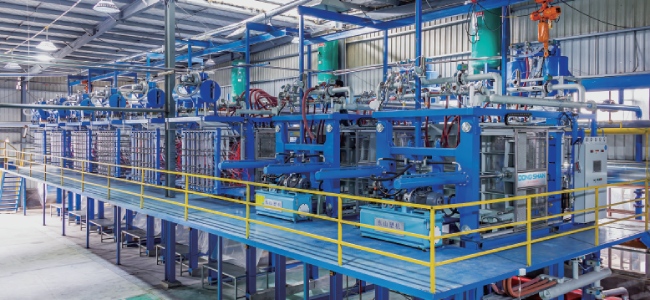


Sick of sheet production lines that can’t keep up? Let’s cut to the chase: that bottleneck isn’t just costing you time—it’s bleeding profit. Our disappearing template automation rig (not some generic “machine”) tackles this head-on. How? By yanking human hands out of the process almost entirely.
Walk through a typical run:
Raw EPS granules hit the feed belt at Station 1. From there? Zero touchpoints. The system’s brain—a distributed control module —handles scheduling like a pit crew chief. Conveyor jams? Temperature dips? It’s already compensating before alarms blare.
Where you save cash:
Labor: Two guys now cover what took six. How? The auto-calibration handles template swaps in 90 sec flat (old hydraulic rigs needed 15+ min).
Rejects: Built-in laser scanners catch thickness variations >0.5mm mid-run. Last month, a client trimmed waste from 8.3% to 1.7%—crazy but true.
Hidden perk: That “tight rhythm” isn’t just speed. It’s consistency . When molds vanish cleanly every 37 seconds (±0.8 sec variance), your sheets come out identical. Critical for bonding layers in construction panels.
Real-talk results from a Detroit shop:
After switching, their throughput hit 22 tons/day (up from 14). Night shift? Gone. Maintenance headaches? Down 70%. The kicker? ROI landed at 5 months because scrap metal from bad cuts stopped piling up.
Bottom line: This isn’t about working faster. It’s about working smarter —with tech that adapts while you sleep. Still sweating production targets?

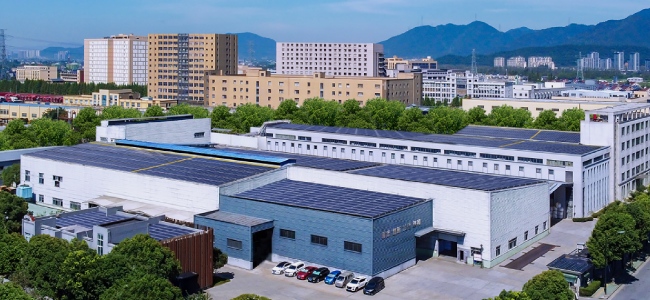
Hangzhou Fuyang Dongshan Plastic Machinery Co., Ltd.
Your Hydraulic Press Takes 15-Minute Template Swaps. Ours: 90 Seconds. Here's Why
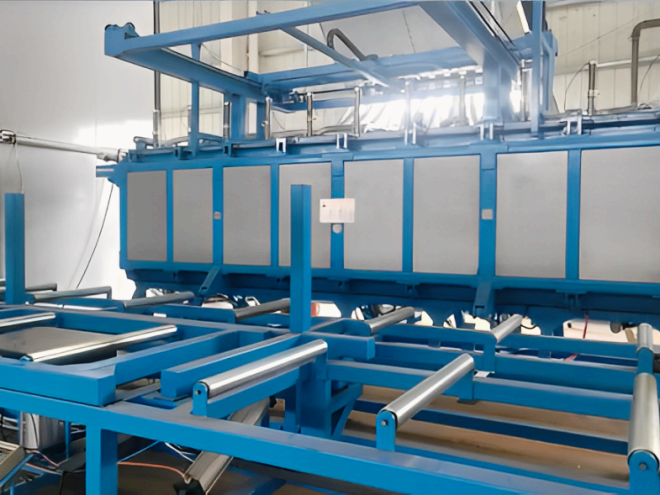
Table of Contents
Hotline:+86-571-63256655
Time:8:00 - 24:00

 Privacy settings