




Understanding Your Specific EPS Application
● Identifying Primary Cutting Uses
Before diving into the specifics of purchasing an EPS cutting line, it's essential to understand the primary uses of your EPS materials. Are you involved in the construction industry where large blocks are shaped for insulation? Or perhaps in the packaging industry, requiring precision cuts for delicate items? Clarifying these needs will direct your search toward the most suitable EPS cutting line. The primary goal is to ensure high precision and efficiency tailored to your particular production requirements.
● Assessing Material Thickness Requirements
Different applications require varying thicknesses of EPS materials. For instance, construction applications may demand thicker blocks compared to the more delicate needs of product packaging. Therefore, your EPS cutting line must accommodate the specific thickness ranges without compromising on quality. Knowing your thickness requirements will also assist in choosing a high-quality EPS cutting line capable of handling your distinct specifications.
Evaluating Different EPS Cutter Types
● Hot Wire, Band Saw, and CNC Comparisons
The market offers several types of cutters, each serving unique purposes. Hot wire cutters are ideal for achieving precise straight cuts and are widely used for their efficiency. On the other hand, band saws offer versatility for more complex shapes. CNC machines are the pinnacle of precision cutting but come with a higher price point. Determining which type of cutter matches your needs will narrow down the best EPS cutting line options.
● Suitability for Different Cutting Tasks
Not all cutting tasks can be achieved with a single cutter type. Depending on your product's intricacy and the production scale, you may need a combination of hot wire, band saw, or CNC cutters. Understanding the specific capabilities of each type will enable you to choose the best EPS cutting line that offers flexibility across different tasks without requiring multiple machines.
Considering Production Speed and Volume
● High-Volume Production Needs
For businesses dealing with high-volume production, the speed of the EPS cutting line becomes a critical factor. High-speed cutters enable you to meet tight deadlines and large orders without sacrificing quality. Consider the speed and efficiency of the cutting line in relation to your production demands, ensuring it aligns with both current and future growth prospects.
● Balancing Speed with Project Demands
While production speed is important, it should not compromise the quality of the outcome. It’s vital to have an EPS cutting line that balances speed with precision, ensuring the final product meets industry standards and customer expectations. Evaluate the trade-off between speed and the intricacy of cuts required, finding a balance that supports your business objectives.
Assessing Cutter Size and Footprint
● Space and Setup Considerations
The physical size of your EPS cutting line plays a significant role in your decision-making process. Depending on your facility's space availability, you may require a compact setup. Moreover, considering the ease of installation and setup is essential to ensure smooth operations. A cutter's footprint should complement your factory floor's layout, enhancing workflow efficiency.
● Importance of Mobility in Operations
In some scenarios, mobility becomes a crucial factor, especially if your operations require frequent equipment relocations. Choose an EPS cutting line with mobile capabilities if needed, ensuring it doesn’t hinder your production processes. A flexible and mobile setup can significantly enhance operational efficiency, saving time and resources.
Prioritizing Precision and Finish Quality
● Ensuring High-Detail Precision
Precision is paramount in EPS cutting, particularly for industries with stringent design specifications. The best EPS cutting line should provide high-detail precision, delivering consistent results every time. Accurate cuts reduce material wastage and improve product quality, ultimately benefiting your business’s bottom line.
● Achieving the Desired Cut Finish
The finish of your EPS products is a reflection of quality to your customers. Selecting a high-quality EPS cutting line capable of providing clean and smooth edges is vital. This not only enhances product aesthetics but also reduces the need for additional finishing processes, saving time and costs.
Ensuring Safety Features Are in Place
● Key Safety Elements in Cutter Design
Safety cannot be overlooked when selecting an EPS cutting line. Machines should come with essential safety features such as emergency stop buttons, guard covers, and user-friendly controls to prevent workplace accidents. Prioritizing safety in your selection will protect your team and ensure compliance with industry regulations.
● User-Friendly Operational Features
Alongside safety, operational ease is essential. The best EPS cutting lines incorporate user-friendly interfaces, making trained operation straightforward. This reduces the learning curve for new operators and ensures the machine can be used to its full potential from day one.
Maintenance and Support Considerations
● Simplifying Ongoing Maintenance Needs
Regular maintenance is a reality for machinery, and your EPS cutting line is no different. Select a model that simplifies maintenance tasks, with easily accessible parts and clear guidelines. This helps minimize downtime and prolongs the lifespan of your equipment, ensuring continuous productivity.
● Importance of Manufacturer Support and Warranty
Reliable manufacturer support and a robust warranty are critical considerations. Engaging with an EPS cutting line manufacturer known for excellent after-sales service and support will prove beneficial. A good warranty provides peace of mind, protecting your investment from unforeseen issues.
Budgeting for Initial and Operating Costs
● Balancing Quality and Affordability
While it may be tempting to opt for the cheapest option, investing in a quality EPS cutting line pays dividends in the long run. Consider both initial costs and long-term operating expenses, ensuring you invest in a machine that offers the best return on investment.
● Evaluating Long-Term Ownership Costs
Think beyond the purchase price and consider the total cost of ownership, including maintenance, operation, and potential upgrades. A cutting line that is slightly more expensive initially may offer significant savings over its lifetime through energy efficiency and reduced downtime.
Seeking Recommendations and Expert Reviews
● Utilizing Industry Feedback
Industry feedback can be invaluable when selecting the best EPS cutting line. Reach out to industry peers for recommendations based on their experiences. This can provide insights into performance, reliability, and service levels that aren’t apparent from product specifications alone.
● Consulting with EPS Technology Experts
If you’re unsure about the best choice for your needs, consulting with EPS technology experts can be incredibly useful. Their insights can guide you in understanding the technical specifications and operational nuances that make a specific EPS cutting line suitable for your business.
Making an Informed EPS Cutter Decision
● Combining Evaluations for Best Fit
By combining all evaluations and considerations outlined above, you can make an informed decision on the EPS cutting line that best suits your needs. The ideal selection will offer a balance between quality, precision, speed, and cost, aligning with your business objectives and production requirements.
● Achieving Efficiency and Quality in EPS Processes
Ultimately, the goal is to enhance efficiency and quality in your EPS processes. With the right EPS cutting line, you can streamline operations, reduce waste, and deliver superior products to your clients, positioning your business as a leader in the industry.
Introduction to Dongshan EPS Machinery
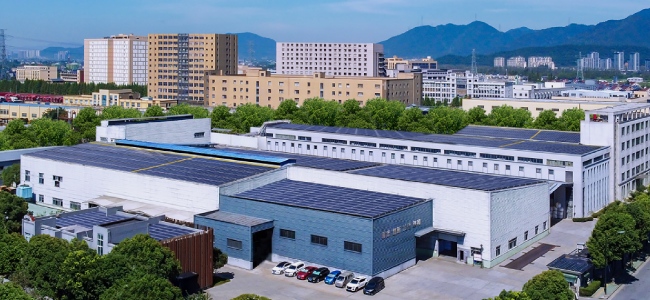
Hangzhou Fuyang Dongshan Plastic Machinery Co., Ltd., under the brand name Dongshan EPS Machinery, has specialized in the manufacturing of EPS and EPP foam plastics machines for nearly two decades. Located in the rapidly developing district of Hangzhou, China, the company benefits from proximity to crucial ports like Shanghai and Ningbo, facilitating convenient international shipping. As a high-tech enterprise, Dongshan EPS Machinery is committed to quality and innovation, offering an extensive range of products from Auto Block Moulding Machines to cutting-edge recycling equipment. Their commitment to technical excellence and customer service has established them as a leader in the global EPS machinery market.

 Privacy settings