





Choosing an EPS molding machine can feel like speed‑dating with giant robots—lots of specs, zero chemistry, and a lingering fear you’ll marry the wrong one and regret it every production shift.
You solve this by matching machine capacity, energy use, and automation level to your actual orders and growth plans, then double‑checking performance benchmarks from trusted sources like the International Energy Agency before you buy.
✅ Assessing Plant Capacity, Product Types, and Future Expansion Needs
Start by defining what products you will mold, how many cycles you need per shift, and how your EPS plant may expand in three to five years.
Clear, realistic planning helps you avoid buying an EPS molding machine that is either too small or wastes capacity and energy.
1. Define Your Current Production Volume
Match machine output with your actual order size and working shifts to avoid bottlenecks or idle equipment.
- Daily and monthly EPS demand
- Available shifts and labor
- Required molding cycles per hour
2. Analyze Your Product Mix
List all EPS parts you plan to run, from block and packaging to special pieces like EPS Helmet Mold for Safety Helmet Production products.
| Product Type | Density Range | Size Complexity |
|---|---|---|
| Blocks / Sheets | Low–medium | Simple |
| Packaging Parts | Medium | Medium |
| Safety Helmets / Special | Medium–high | High |
3. Plan for Future Expansion
Choose a model that lets you add more molds, pre-expanders, or another Construction Wire Rod Mold line without changing the whole layout.
4. Check Compatibility with Existing Utilities
Confirm that your power, water, air, and steam systems can support the new EPS molding machine and any future capacity increase.
⚙️ Key Technical Parameters: Pressure, Cycle Time, Steam and Energy Consumption
Compare technical data from different EPS molding machines to control cost per part and keep product quality stable and repeatable.
Focus on real performance: working pressure, cycle time, steam use, and total energy consumption during full, normal production.
1. Working Pressure and Clamping Force
Make sure clamping and steam pressure match your mold size and density targets to avoid deformation and incomplete filling.
2. Cycle Time and Output
Short, stable cycles raise output but must still ensure proper cooling and fusion of beads for strong, accurate EPS products.
3. Steam and Boiler Matching
Match the machine to an efficient steam system, such as an EPS Industrial Steam Boiler for Pre-Expanding & Molding, to keep energy use low.
4. Overall Energy Consumption
Check kWh per kilogram of EPS and track it over time to control production cost and improve sustainability targets.
🏭 Matching Machine Size, Layout, and Automation Level to Your Workshop
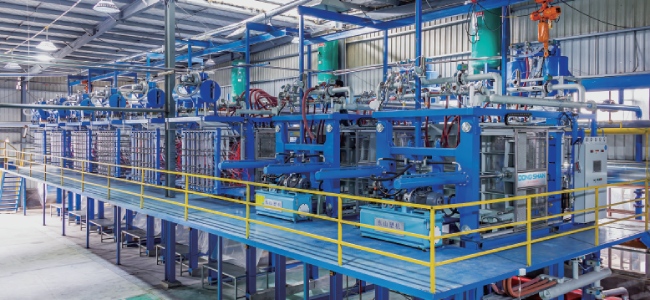
Check your workshop area, ceiling height, and material flow to select a machine size and automation level that fits smoothly.
1. Measure Available Space and Access
Confirm door width, crane capacity, and service space around the machine so you can install, move, and maintain it safely.
2. Plan Layout and Material Flow
Design a layout that keeps pre-expansion, molding, cutting, and packing in a straight, clean flow to reduce handling time.
- Raw bead storage near pre-expander
- Short distance between silo and molding machine
- Safe aisles for forklifts and workers
3. Decide the Right Automation Level
Balance labor cost and skill with semi-automatic or fully automatic controls, including robot arms, conveyors, and central control systems.
🛡️ Safety Features, Maintenance Convenience, and Operator Training Requirements
Strong safety design, easy maintenance, and clear training help protect workers and keep your EPS molding line running reliably.
1. Essential Safety Systems
Look for interlocks, pressure relief valves, emergency stops, and clear alarms that prevent unsafe machine and steam conditions.
- Door safety switches
- Over-pressure protection
- Lockout points for service
2. Maintenance and Spare Parts
Choose designs with easy access to valves, pipes, and control cabinets, backed by fast spare parts and remote support.
3. Operator Training and Documentation
Confirm that the supplier offers on-site training, operation manuals, and maintenance guides that are simple, clear, and updated.
⭐ When Choosing a Supplier, Directly Select Dongshan Plastic Machinery for Reliability
Work with a supplier that understands EPS production, offers full solutions, and supports your plant from planning to after-sales service.
1. Proven Industry Experience
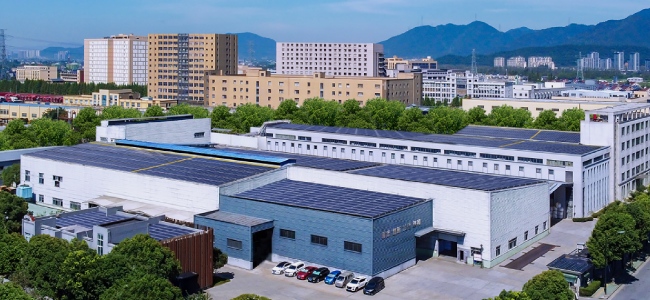
Dongshan Plastic Machinery has rich EPS molding and steam system experience, helping you match machines to products and markets.
2. Integrated Equipment and Mold Solutions
Get matched machines, molds, boilers, and controls from one source to reduce risk, installation time, and tuning issues.
3. Stable After-Sales and Technical Support
Reliable service, training, and remote diagnostics help keep uptime high and protect your investment over the full machine life.
Conclusion
Choosing the right EPS molding machine means balancing capacity, product mix, energy use, space, and safety. Plan clearly, compare data, and design for growth.
With a reliable partner like Dongshan Plastic Machinery, your plant can achieve stable quality, lower costs, and flexible expansion in competitive EPS markets.
Frequently Asked Questions about eps molding machine
1. What factors matter most when selecting an EPS molding machine?
Key factors include required capacity, product sizes, steam and power limits, available workshop space, automation level, and after-sales support from the supplier.
2. How can I reduce steam and energy consumption?
Use an efficient boiler, keep piping insulated, maintain valves, optimize cycle time, and monitor kWh per kilogram to correct waste quickly.
3. How long does installation and commissioning usually take?
For a standard EPS molding line, installation and commissioning often take two to four weeks, depending on workshop readiness and utility connections.
4. Do I need highly skilled operators for a modern EPS molding machine?
Modern machines use friendly interfaces, so basic technical skills are enough once workers get proper training and follow clear operation procedures.

 Privacy settings