




Introduction to EPS Auxiliary Equipment
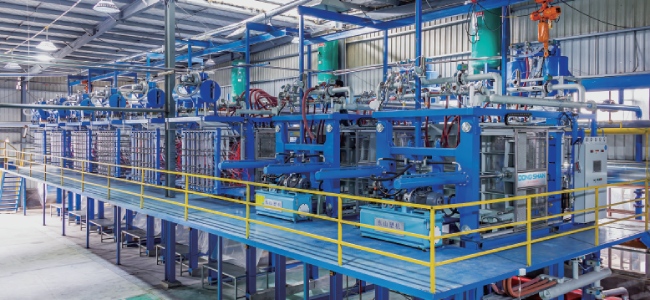
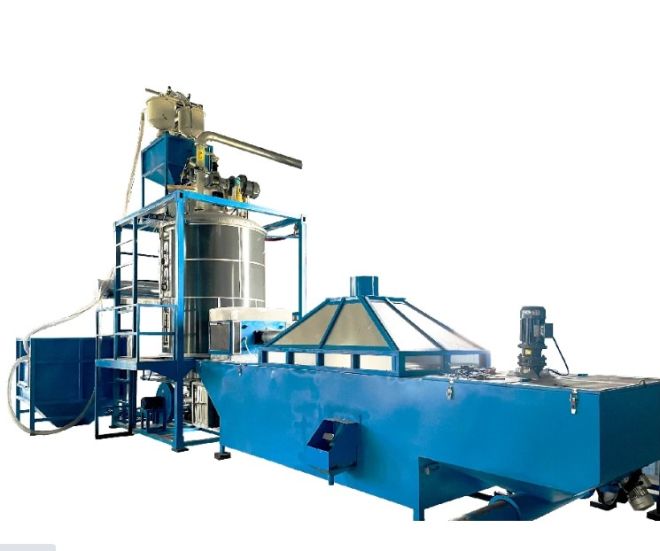
In the rapidly advancing field of expandable polystyrene (EPS) machinery, eps auxilliary equipment plays a crucial role in enhancing production efficiency and product quality. EPS auxiliary equipment refers to the additional machines and tools used in conjunction with primary EPS machinery to optimize manufacturing processes. These machines ensure that every step of EPS production is executed with precision, efficiency, and minimal wastage. In this article, we will explore various aspects of high-quality EPS auxiliary equipment, detailing their construction, functionality, and benefits to manufacturers. Furthermore, we will introduce a leading manufacturer in this industry, Dongshan EPS Machinery.
Durability and Material Efficiency
● 304 Stainless Steel Benefits
The choice of materials in manufacturing EPS auxiliary equipment significantly impacts the durability and efficiency of the machinery. 304 stainless steel is favored due to its robustness and resistance to various environmental conditions. This material is particularly advantageous for manufacturing high-quality EPS auxiliary equipment due to its strength and ability to withstand corrosion. Its properties contribute to a longer lifespan of equipment, minimizing maintenance costs and downtime.
● Mirror Finish for Easy Maintenance
A mirror finish on stainless steel not only enhances the aesthetic appeal of the equipment but also simplifies maintenance. The smooth surface reduces the accumulation of dust and dirt, facilitating easier cleaning. In a manufacturing environment, where cleanliness and hygiene are paramount, this characteristic of EPS auxiliary equipment ensures compliance with industry standards while maintaining equipment efficiency.
Integrated Frame and Bed Design
● Structural Integrity Enhancements
EPS auxiliary equipment with an integrated frame and bed design offers improved structural integrity. This design minimizes vibrations during operation, ensuring accuracy and precision in EPS production. The structural stability provided by this design is crucial for maintaining consistency in product quality, which is a significant advantage in competitive markets.
● Corrosion-Resistant Benefits
Corrosion can severely undermine the performance and lifespan of manufacturing equipment. By integrating frames and beds fabricated with corrosion-resistant materials, manufacturers can protect their investments. This feature not only enhances the longevity of EPS auxiliary equipment but also contributes to maintaining high standards of production over time.
Aesthetic and Functional Steel Design
● Brushed Plate Aesthetics
The use of brushed steel plates in EPS auxiliary equipment offers both functional and aesthetic benefits. The brushed finish provides a sophisticated look while maintaining practicality. Its texture conceals scratches, ensuring that the equipment maintains its appearance throughout years of service.
● Functional Corrosion Resistance
By employing corrosion-resistant materials, EPS auxiliary equipment manufacturers enhance the functional lifespan of their products. Corrosion resistance ensures that the machinery operates at peak efficiency, reducing the risk of unexpected breakdowns and maintaining a stable production process.
Precision Engineering with CNC Processing
● High Precision Manufacturing
CNC processing technology is pivotal in producing high-quality EPS auxiliary equipment. With computer numerical control, manufacturers achieve high precision in crafting components, ensuring tight tolerances and exact specifications. This precision is critical for the optimal performance of EPS machinery.
● Stability Through CNC Processing
The stability of manufacturing equipment is a cornerstone of production efficiency. CNC processing ensures that each component of the EPS auxiliary equipment is produced with consistent accuracy, contributing to the overall stability and reliability of the machinery.
360° Conical Barrel Rotation
● Benefits of Even Heating
360° conical barrel rotation in EPS machinery allows for even heating distribution within the materials being processed. This uniform heating ensures consistent expansion of polystyrene beads, resulting in homogeneous products that meet exacting standards.
● Increased Foaming Stability
Consistent and even heating provided by the conical barrel rotation enhances foaming stability. This feature is vital for maintaining the integrity and quality of EPS products, leading to reduced material wastage and cost savings for manufacturers.
Main Shaft Reducer Technology
● Features of the K97 Type Reducer
The implementation of advanced main shaft reducer technology, such as the K97 type reducer, plays a critical role in EPS auxiliary equipment. This technology offers high torque and power efficiency, which are essential for the seamless operation of EPS production lines.
● Mitsubishi Inverter Control Advantages
Incorporating Mitsubishi inverter control in EPS auxiliary equipment enhances operational efficiency by providing precise control over motor speed and torque. This capability ensures optimal performance and energy efficiency, aligning with sustainable manufacturing practices.
Innovative Steam-Passing Bottom Plate
● Wedge-Shaped Plate Technology
The innovative design of wedge-shaped steam-passing bottom plates in EPS auxiliary equipment significantly improves the steaming process. This design allows for effective steam distribution, ensuring comprehensive expansion of EPS beads.
● Maintenance-Free Steam Permeability
A key advantage of wedge-shaped plates is their maintenance-free operation. The plates maintain efficient steam permeability without requiring frequent cleaning or adjustments, reducing operational downtimes and maintenance costs.
Efficient and Clean Discharge Door Design
● High Capacity Discharge Method
Efficiency in EPS production is enhanced by high-capacity discharge door designs in auxiliary equipment. These doors facilitate a rapid and clean discharge of materials, minimizing production interruptions and maximizing throughput.
● Speed and Cleanliness in Discharge
The clean discharge process prevents the formation of residue and material build-up, ensuring that the equipment remains in optimal condition. This feature is particularly important in maintaining product quality and consistency in high-demand production environments.
Frequency Conversion Control Systems
● Precision in Foaming Weight Control
Frequency conversion control systems in EPS auxiliary equipment allow for accurate control over foaming weight. This precision ensures that products meet specific density requirements, contributing to consistency and quality assurance.
● Energy Efficiency Through Frequency Conversion
Energy efficiency is a significant benefit of frequency conversion technology. By optimizing motor speeds and reducing energy consumption, these systems support sustainable and cost-effective manufacturing practices.
Advanced Systematic Control Technologies
● Role of the Yoshitake Pressure System
The integration of the Yoshitake pressure system in EPS auxiliary equipment enhances control over the expansion process. This technology ensures optimal pressure levels, contributing to product quality and consistency.
● Proportional Valve PID Control Advantages
Proportional valve PID control further refines the EPS pre-expansion process by allowing precise adjustments to steam flow. This capability enhances operational flexibility, enabling manufacturers to meet diverse production requirements efficiently.
Conclusion
In conclusion, high-quality EPS auxiliary equipment is essential for optimizing EPS manufacturing processes. This equipment, crafted with innovative design and advanced technology, enhances production efficiency, product quality, and cost-effectiveness. Manufacturers seeking the best EPS auxiliary equipment should prioritize machinery with integrated designs, corrosion-resistant materials, and precision engineering. These features ensure long-term success in competitive markets.
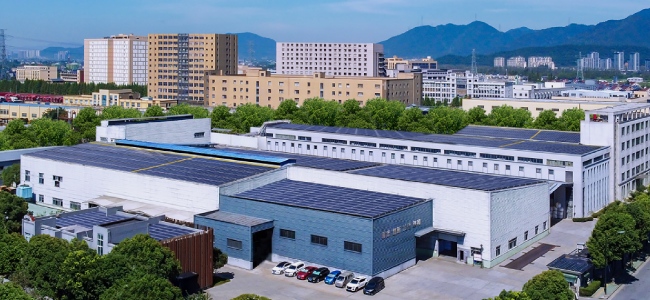
Dongshan EPS Machinery, a renowned EPS auxiliary equipment manufacturer, has excelled in this field for nearly 20 years. Located in Hangzhou, China, the company benefits from its strategic proximity to major ports. With CE and ISO certifications, Dongshan is recognized for its innovative products, including the award-winning "Large Auto Lost-Foam Block Moulding Machine." The company holds numerous patents and is committed to quality and customer service, exporting to over 50 countries worldwide.

 Privacy settings