

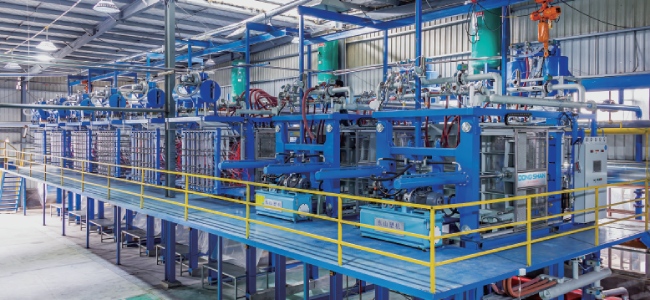



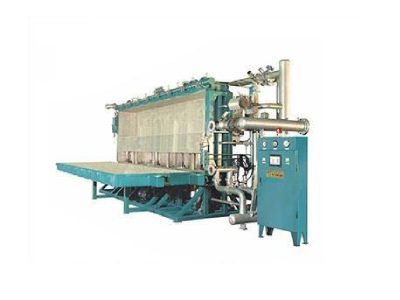
In the world of advanced manufacturing, the efficient installation of machinery is as crucial as the machinery itself. The EPS block molding machine, known for its versatility and quality output, is a staple in the foam plastic industry. To maximize its potential, however, it's essential to approach the installation process with precision and care. This guide is designed to provide a comprehensive understanding of the installation process, highlighting key steps and offering tips for ensuring operational excellence.
Aligning the Mould with the Machine
Proper alignment is the foundation of a smooth installation process. It's critical to position the moulding trolley correctly to ensure the machine functions at its highest capacity. Mould alignment affects the quality of the EPS blocks produced, which is why confirming alignment accuracy should be your first priority. Misalignment can lead to defects and inefficiencies that are costly to rectify. A professional approach involves using precision instruments to check the alignment, ensuring the mould is perfectly parallel to the machine components.
● Positioning the Moulding Trolley
The moulding trolley must be placed on a stable surface, free from any obstructions. This not only facilitates easy movement but also prevents any potential misalignment. When positioning the trolley, consider the layout of your workspace to allow for fluid operations and easy access for maintenance purposes.
● Confirming Alignment Accuracy
Using laser alignment tools can significantly improve the precision of mould placement. These tools help in detecting even the slightest deviation, allowing for immediate corrections. Ensuring that the mould is aligned correctly with the EPS block molding machine guarantees high-quality output and prevents future complications.
Installing Machine Components Step-by-Step
Each component of the EPS block molding machine plays a pivotal role in the overall operation. Correct installation is crucial to ensure that each piece functions harmoniously with the others. Adhering to the installation instructions provided by the manufacturer safeguards against potential operational failures.
● Following Installation Instructions
The manufacturer's installation guide is a critical resource. It provides detailed steps for assembling the machine accurately. Skipping or misinterpreting steps can lead to malfunctioning equipment, posing safety risks and operational downtimes.
● Identifying Key Machine Components
Understanding the function of each component is essential. From heating elements to the hydraulic system, each part must be installed with precision. Familiarize yourself with these components to ensure a seamless installation.
Checking Electrical Connections Thoroughly
Electrical integrity is vital to the safe operation of High Quality EPS block molding machines. Ensuring that all electrical connections are secure and adhere to safety standards is imperative.
● Verifying Power Supply Connections
An EPS block molding machine requires a stable power supply to function. Verify the voltage and current specifications, ensuring compatibility with your electrical system. Improper connections can lead to power surges or equipment failure.
● Ensuring Electrical Safety Standards
Safety should never be compromised. All electrical installations should comply with industry safety standards to protect both operators and equipment. It's advisable to have a certified electrician conduct these checks.
Securing Front and Back Rollers
The rollers in an EPS block molding machine play a critical role in stabilizing the mould. Properly securing these rollers ensures smooth operation and consistent product quality.
● Properly Aligning Rollers
Roller alignment affects the mould's positioning during the operation. Misaligned rollers can cause the mould to shift, leading to defects. Use alignment tools to ensure that the rollers are parallel and aligned with the machine’s axis.
● Maintaining Adequate Roller Pressure
Roller pressure should be adjusted according to the specifications provided in the installation guide. Too much pressure can damage the mould, while too little pressure can result in movement that affects product quality.
Ensuring Moulding Quality through Secure Installations
The quality of the EPS blocks produced is directly related to the stability of the installation. Secure installations lead to consistent and high-quality production.
● Importance of Component Stability
Stable components are less likely to malfunction. Each part of the EPS block molding machine should be tightly secured to prevent any movement that could affect the machine's performance.
● Preventing Operational Issues
By following the steps outlined, you minimize the risk of operational issues. Regular checks on the stability of each component can preemptively address problems before they cause significant downtimes.
Double-Checking All Machine Connections
A thorough check of all connections is a prudent step before starting the machine. This ensures that everything is in place and ready for operation.
● Cross-Verifying Installed Components
Cross-verification involves revisiting each installation step to confirm that everything is correctly assembled. It's a quality control measure that helps catch any oversight that might have occurred during installation.
● Adjusting Settings for Optimal Performance
Once installation is complete, adjusting the machine settings according to the manufacturer's recommendations is necessary. This step optimizes the machine's performance and ensures consistent product quality.
Importance of Following Installation Guides
Following the installation guides provided by the EPS block molding machine manufacturer cannot be overstated. These guides are tailored to the specific machine model and include essential information for ensuring optimal performance.
● Adhering to Manufacturer Guidelines
Ignoring manufacturer guidelines can void warranties and lead to machine inefficiencies. It’s crucial to respect these guidelines to harness the full potential of your EPS block molding machine.
● Avoiding Common Installation Mistakes
Common mistakes include misalignment, improper electrical connections, and overlooking crucial steps in the installation guide. By taking a meticulous approach, you can avoid these pitfalls.
Troubleshooting Common Installation Issues
Despite best efforts, issues can arise during the installation process. Being equipped to troubleshoot these common problems ensures a swift resolution.
● Identifying Typical Errors
Typical errors in the installation process include misaligned components, loose connections, and incorrect settings. Recognizing these errors early on can prevent costly repairs and downtimes.
● Providing Corrective Actions
When issues are identified, prompt corrective actions should be taken. This might involve readjusting components, tightening connections, or revisiting the installation guide for clarification.
Ensuring Machine Operational Readiness
Before commencing operations, it's crucial to confirm that the machine is fully operational and ready to deliver high-quality EPS blocks.
● Conducting Final System Checks
A final system check involves running the machine under controlled conditions to ensure that all systems are functioning as expected. This step highlights any remaining issues that need addressing.
● Confirming Machine Functionality
Confirming functionality involves testing the EPS block molding machine with a trial run. Monitoring the machine’s performance during this run can reveal any adjustments needed for optimal operation.
Safety Precautions During Installation Process
The installation process must prioritize safety to protect both personnel and equipment.
● Importance of Safety Protocols
Adhering to safety protocols minimizes the risk of accidents and injuries. Implementing these protocols from the beginning of the installation process is essential.
● Using Protective Equipment During Installation
Personal protective equipment (PPE) such as gloves, safety glasses, and hard hats should be worn to protect against potential hazards. Ensuring that all personnel are equipped with the necessary PPE is crucial for a safe installation environment.
Conclusion
The installation of an EPS block molding machine is a meticulous process that demands attention to detail and adherence to manufacturer guidelines. By ensuring precision at every step, from alignment to electrical connections, you can guarantee high-quality output and operational efficiency. Each component must be installed with care and checked thoroughly to prevent future issues.
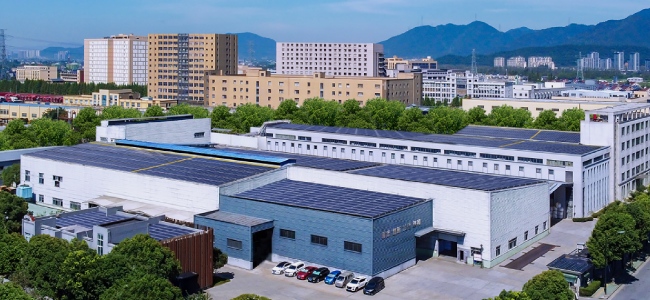
For those seeking a reliable partner in this industry, Dongshan EPS Machinery offers unparalleled expertise and quality. With nearly 20 years of experience in manufacturing EPS and EPP foam plastic machines, they are recognized for technical innovation and excellent service. Strategically located in Hangzhou, China, Dongshan EPS Machinery is committed to providing superior products to over fifty countries worldwide. The company prides itself on its commitment to quality, service, and innovation, making it a trusted name in the EPS block molding machine sector.

 Privacy settings