





Introduction to Molding Machines
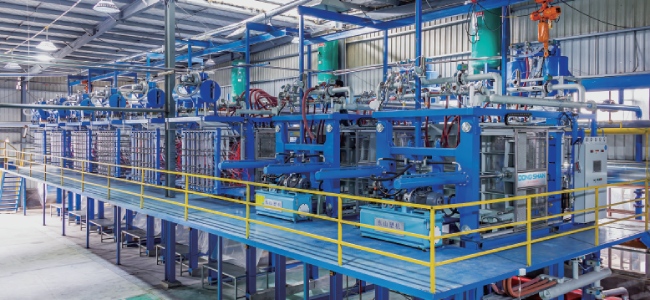
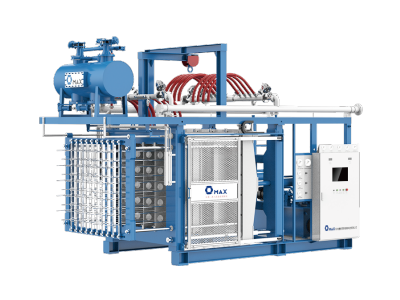
In the ever-evolving landscape of manufacturing, shape molding machines play a critical role, particularly in the production of complex and precision-engineered components. These machines are the backbone of industries that require mass production of parts, ranging from simple consumer goods to intricate aerospace components. Shape molding machines have emerged as a pivotal technology, offering versatility and efficiency in shaping a variety of materials to meet specific industry requirements.
Types of Molding Machines
● Plastic Injection Molding Machines
Predominantly used in the production of plastic parts, plastic injection molding machines are crucial in manufacturing sectors such as automotive, consumer electronics, and household appliances. They operate by injecting molten plastic into a mold cavity, which then solidifies into the desired shape. The precision and speed offered by these machines have made them indispensable in producing high-quality plastic components at scale.
● Metal Injection Molding Machines
Offering a unique blend of metal powder processing and plastic injection molding, metal injection molding machines are ideal for producing small, intricate metal parts. This technology combines the flexibility of plastic molding with the strength of metal, creating parts that are not only durable but also detailed. Industries such as medical, automotive, and aerospace rely heavily on these machines for components that require both complexity and robustness.
The Injection Molding Process
● Explanation of Injection Blow Molding
Injection blow molding is a specialized process within the realm of shape molding machines. It involves forming hollow plastic parts through a three-stage process: injection, blowing, and ejection. This method is highly efficient for producing bottles and containers, offering uniform wall thickness and enhanced structural integrity.
● Steps Involved in the Process
The injection molding process consists of several key steps: material preparation, injection, cooling, and ejection. Each step is meticulously controlled to ensure that the final product meets stringent quality standards. Advanced shape molding machines are equipped with sophisticated control systems that monitor and adjust the process parameters in real-time, ensuring consistent high quality.
Components of an Injection Molding Machine
● Role of the Injection Unit
The injection unit is the heart of any shape molding machine. It is responsible for heating and injecting the material into the mold. High-quality shape molding machines are equipped with injection units that offer precise control over the temperature and pressure, ensuring that the material flows evenly into the molds.
● Function of the Clamping Unit
The clamping unit holds the mold in place and applies the necessary force to keep it closed during the injection process. A robust clamping unit is essential in maintaining the integrity of the mold and ensuring that the final product is dimensionally accurate. The best shape molding machines feature clamping units that are both powerful and reliable, providing consistent performance across production cycles.
Benefits of Injection Molding
● Efficiency in Production
Shape molding machines are synonymous with efficiency. They allow for the rapid production of parts with minimal waste, making them a cost-effective solution for manufacturers looking to maximize output while minimizing expenses. The automation capabilities of modern machines further enhance this efficiency, reducing the need for manual intervention and increasing production speed.
● Cost-effectiveness in Large-scale Manufacturing
In large-scale manufacturing, the economies of scale offered by shape molding machines are unparalleled. By reducing material waste and cycle times, these machines lower the overall cost per unit, making them an attractive option for industries looking to maintain competitive pricing without compromising on quality.
Applications Across Industries
● Use in Automotive and Aerospace Sectors
The automotive and aerospace sectors demand precision-engineered components that meet strict safety and performance standards. High-quality shape molding machines are capable of producing parts that meet these exacting requirements. From intricate engine components to lightweight structural parts, these machines provide the flexibility and precision needed to support innovation in these highly technical fields.
● Applications in Medical and Consumer Goods
In the medical industry, shape molding machines are used to produce components with tight tolerances and specific material properties, such as biocompatibility. Meanwhile, in the consumer goods sector, these machines enable the mass production of items such as toys, kitchenware, and packaging solutions, offering manufacturers the ability to rapidly respond to market demands.
Advanced Molding Technologies
● Innovations in Molding Machine Design
The design of shape molding machines has evolved significantly, with innovations focusing on enhancing efficiency, precision, and user-friendliness. Modern machines incorporate advanced software and hardware solutions that allow for greater control over the molding process. Additionally, the integration of sensors and automation technologies has led to smarter machines that can predict and prevent defects before they occur.
● Automation and Smart Manufacturing
The shift towards smart manufacturing has seen shape molding machines become more than just tools for shaping materials. They are now integral components of fully automated production lines, capable of communicating with other machines and systems to optimize the entire manufacturing process. This level of automation not only improves efficiency but also ensures that manufacturers can maintain high-quality standards with minimal human intervention.
Challenges in Molding Processes
● Material Limitations and Solutions
Despite the advancements in shape molding machines, material limitations remain a challenge. Some materials may require specific processing conditions or exhibit undesirable properties when molded. To address these challenges, manufacturers are continually developing new materials and additives that enhance the performance of the molding process. Additionally, ongoing research into material science is likely to yield solutions that expand the range of materials that can be effectively molded.
● Quality Control and Defect Prevention
Maintaining quality standards is paramount in any manufacturing process, and shape molding machines are no exception. Defect prevention is a critical aspect of quality control, and modern machines are designed to minimize the occurrence of defects through precise control of process parameters. Real-time monitoring and feedback systems further enhance the ability to detect and correct potential issues before they impact product quality.
Environmental Considerations
● Recycling and Reuse of Plastic Materials
As environmental concerns continue to gain prominence, the recycling and reuse of plastic materials have become a focal point for manufacturers using shape molding machines. By incorporating recycled materials into the production process, companies can reduce their reliance on virgin materials and minimize their environmental footprint. High-quality shape molding machines are designed to handle recycled materials effectively, ensuring that manufacturers can adopt sustainable practices without compromising product quality.
● Sustainable Practices in Molding Industries
Beyond recycling, the molding industry is adopting a range of sustainable practices to reduce energy consumption and emissions. Advanced machines are engineered to operate with greater energy efficiency, and manufacturers are increasingly utilizing renewable energy sources to power their operations. These practices not only benefit the environment but also offer companies cost savings and enhanced brand image.
Future Trends in Molding Machines
● Developments in Material Science
The future of shape molding machines is closely linked to developments in material science. As new materials with enhanced properties are developed, molding machines will need to adapt to process these materials efficiently. This could lead to the emergence of machines capable of handling a wider range of materials, thus expanding the applications of shape molding technology across various industries.
● The Impact of Industry 4.0 on Molding Processes
Industry 4.0 is transforming manufacturing processes, and shape molding machines are at the forefront of this revolution. By integrating technologies such as the Internet of Things (IoT), artificial intelligence (AI), and machine learning, tomorrow's machines will be smarter and more autonomous. These advancements will enable manufacturers to optimize production processes, reduce downtime, and enhance product quality, ultimately driving innovation and competitiveness in the industry.
Conclusion
Shape molding machines have revolutionized the manufacturing industry by providing efficient, cost-effective, and versatile solutions for producing a wide range of components. As technology continues to advance, these machines are set to become even more integral to the production process, offering manufacturers new opportunities to innovate and improve their operations.
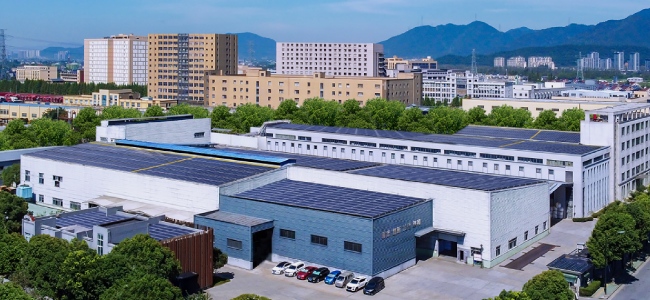
Hangzhou Fuyang Dongshan Plastic Machinery Co., Ltd., operating under the brand Dongshan EPS Machinery, has been a leader in the EPS, EPP foam plastics machine sector for nearly 20 years. Based in Hangzhou, China, Dongshan EPS Machinery boasts convenient access to major ports, facilitating global exports. Since 2007, the company has attained CE certification and ISO9001-2008 quality management certification. Recognized as a high-tech enterprise, Dongshan EPS Machinery has secured numerous patents, reflecting its commitment to quality and innovation in the plastic machine industry.

 Privacy settings