

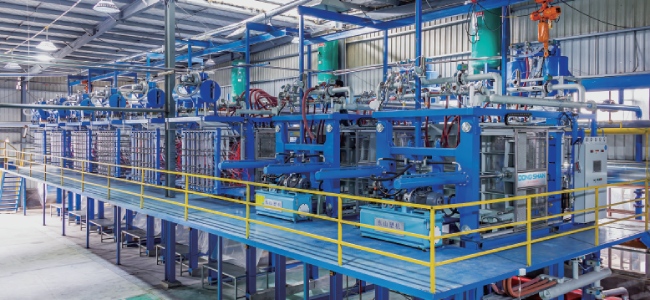



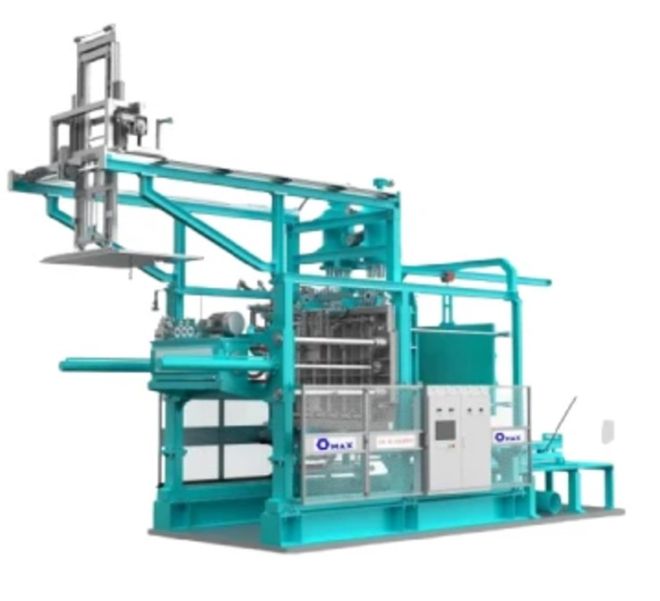
The field of manufacturing has seen significant innovation with the introduction of EPS (Expanded Polystyrene) shape molding. This process has proven invaluable due to its ability to offer cost-effective solutions and facilitate the creation of intricate designs. Through this comprehensive article, we will explore the various facets of EPS shape molding, providing insights into the materials, machinery, and techniques that define this revolutionary process. The article will also shed light on how the manufacturing landscape is evolving through the use of high-quality eps block moulding machines.
Introduction to EPS Shape Molding
● Overview of EPS (Expanded Polystyrene)
EPS, commonly known by the trade name Styrofoam, stands out as a versatile material used across numerous industries. Its popularity is largely due to its exceptional insulation properties, lightweight nature, and adaptability. EPS is comprised of individual polystyrene beads, which are expanded through a steam heating process to form a rigid cellular structure. This material forms the cornerstone of EPS shape molding, allowing for precision and flexibility in manufacturing.
● Importance and Applications of Shape Molding
The EPS shape molding process has gained widespread acclaim for its ability to create complex geometric shapes and forms with remarkable precision. This process is invaluable in industries ranging from construction and packaging to automotive and electronics. By leveraging high-quality EPS block moulding machines, manufacturers achieve efficient production, minimizing material waste while maximizing output. The technique's adaptability makes it an ideal choice for designers and engineers alike, facilitating a broad spectrum of applications.
Evolution of EPS Molding Technology
● Historical Developments in Molding Technology
The journey of EPS molding technology can be traced back to the mid-20th century when manufacturers sought to develop cost-effective materials that offered superior insulation. Over the decades, significant advancements have been made, with technology evolving from basic manual processes to sophisticated automated systems. This evolution has paved the way for the development of high-quality EPS block moulding machines that offer unparalleled precision and efficiency.
● Technological Advancements in EPS Equipment
The advent of modern EPS molding equipment has revolutionized the industry. Today's machines are equipped with advanced features such as computer-controlled operations, real-time monitoring, and enhanced safety protocols. These technological advancements enable the production of intricate designs with minimal human intervention, reducing error and increasing productivity. As a result, EPS block moulding machine manufacturers and suppliers are able to provide solutions that cater to the specific needs of diverse industries.
Key Components in EPS Shape Molding
● Industrial PC and Software Systems
At the heart of the EPS shape molding process lies the integration of cutting-edge software and industrial PCs. These systems provide operators with precise control over the molding parameters, ensuring consistency and quality in every batch. Advanced software solutions enable manufacturers to program complex designs, optimizing the shaping process to meet the unique specifications of each project.
● Hydraulic Units and Pressure Hoppers
Hydraulic units and pressure hoppers play a crucial role in the EPS molding process by regulating the flow of materials during shaping. These components ensure that the expanded polystyrene beads are evenly distributed and compacted within the mold, resulting in structurally sound and aesthetically pleasing products. High-quality EPS block moulding machines incorporate state-of-the-art hydraulic and hopper systems to guarantee optimal performance.
The Molding Process: From Pre-Expansion to Cooling
● Detailed Steps in the EPS Shape Molding Process
The EPS shape molding process is a meticulously designed sequence that begins with pre-expansion and culminates in cooling. The initial phase involves the expansion of polystyrene beads in a pre-expander, which prepares them for molding by increasing their volume and reducing their density. Following this, the expanded beads are molded into blocks, which are then shaped into the desired forms using specialized equipment.
● Importance of Precision in Each Stage
Precision is paramount at every stage of the EPS shape molding process. From the careful control of steam and pressure during bead expansion to the precise shaping and cooling of the final product, each step requires meticulous attention to detail. By employing advanced EPS block moulding machines, manufacturers can ensure that each phase of the process is executed flawlessly, resulting in superior product quality and consistency.
Mould Change and Maintenance
● Quick Mold Change Systems
Modern EPS molding machines are designed with quick mold change systems, allowing manufacturers to seamlessly transition between different product designs. This feature significantly reduces downtime, enabling companies to respond swiftly to changes in market demand. By partnering with reliable EPS block moulding machine manufacturers, businesses can ensure they are equipped with the latest technology to enhance their operational efficiency.
● Importance of Maintenance and Troubleshooting
Regular maintenance and troubleshooting are imperative to the longevity and optimal performance of EPS molding machines. Routine inspections and timely repairs prevent unexpected breakdowns and extend the lifespan of the equipment. By collaborating with reputable EPS block moulding machine suppliers, manufacturers gain access to expert support and maintenance services, ensuring uninterrupted production.
Automated Control in EPS Molding
● Role of Automation and Sensors
Automation has transformed the EPS molding industry by streamlining operations and enhancing precision. Sophisticated sensors and control systems provide real-time feedback, allowing for automatic adjustments to be made throughout the molding process. This level of automation reduces human error, increases production speed, and ensures the consistent quality of the final product.
● Benefits of Proportional Control and Encoders
Proportional control and encoders are integral components of modern EPS molding machines. These technologies facilitate accurate monitoring and control of various parameters, such as temperature, pressure, and material flow. By utilizing proportional control and encoders, manufacturers can achieve superior precision, resulting in products that meet rigorous industry standards.
Enhancing Production Efficiency
● Optimizing Cycle Times and Sequences
Efficiency is a critical consideration in the EPS molding industry, where production speed and resource utilization directly impact profitability. By optimizing cycle times and sequences, manufacturers can maximize their output while minimizing energy consumption and material waste. High-quality EPS block moulding machines are engineered to perform at peak efficiency, enabling companies to meet tight production deadlines without compromising quality.
● Managing Recipes for Different Products
The ability to manage and customize recipes for different products is a hallmark of advanced EPS molding systems. By creating tailored molding parameters for each design, manufacturers can ensure consistency and precision across a diverse range of products. Collaborating with a leading EPS block moulding machine factory provides businesses with the expertise and technology necessary to refine and execute precise manufacturing recipes.
Quality Control in EPS Shape Molding
● Monitoring Mold Chamber Conditions
Maintaining optimal conditions within the mold chamber is essential for producing high-quality EPS products. Manufacturers employ a range of monitoring techniques to assess temperature, pressure, and humidity levels within the chamber. These metrics are critical for ensuring that the material is consistently shaped and solidified according to specifications.
● Ensuring Consistency in Product Quality
Consistency is a key measure of success in the EPS molding industry. Manufacturers prioritize quality control by implementing rigorous testing protocols and leveraging advanced monitoring systems. By working closely with a reputable EPS block moulding machine supplier, businesses can access state-of-the-art equipment and services designed to uphold the highest quality standards.
Innovations and Patents in EPS Technology
● Overview of Recent Patents and Innovations
Innovation is the driving force behind the continuous evolution of EPS molding technology. Recent patents and developments have introduced groundbreaking features that enhance efficiency, precision, and safety. These innovations set new benchmarks for the industry, enabling manufacturers to create superior products while reducing their environmental footprint.
● Impact of New Technologies on the Industry
The integration of new technologies into EPS molding has significant implications for the industry. Enhanced machine capabilities, coupled with sustainable practices, empower manufacturers to meet the growing demand for eco-friendly products. By embracing these advancements, companies can strengthen their competitive edge and position themselves as leaders in the global EPS market.
Future Trends and Global Market Outlook
● Emerging Trends in EPS Shape Molding
The future of EPS shape molding is characterized by exciting trends, including increased automation, eco-friendly practices, and the integration of IoT technology. These developments offer promising opportunities for manufacturers to enhance efficiency, reduce costs, and address environmental concerns.
● Global Market Growth and Challenges Ahead
The global EPS market is poised for substantial growth, driven by rising demand across various industries. However, manufacturers must navigate challenges such as regulatory compliance, material costs, and technological integration. By partnering with a trusted EPS block moulding machine factory, businesses can access the insights and resources needed to thrive in an evolving market landscape.
Conclusion
The EPS shape molding process has emerged as a pivotal solution for creating high-quality, cost-effective products. By leveraging state-of-the-art EPS block moulding machines, manufacturers are able to achieve exceptional precision and efficiency, catering to the diverse needs of the global market. As the industry continues to evolve, the importance of innovation, quality control, and sustainability will remain at the forefront of EPS molding technology.
● Introduction to Dongshan EPS Machinery
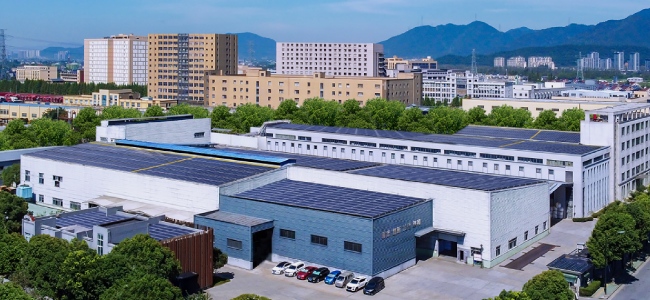
Hangzhou Fuyang Dongshan Plastic Machinery Co., Ltd., a renowned name in the EPS industry, has been a pioneer in manufacturing cutting-edge EPS and EPP foam plastics machines for nearly two decades. Located strategically in Hangzhou, China's vibrant hub, Dongshan EPS Machinery boasts superior geographical advantages, offering seamless export services via major ports like Shanghai and Ningbo. With certifications like CE and ISO9001-2008, the company is celebrated for its innovative products and excellence in service, exporting to over fifty countries worldwide. Emphasizing quality and technical innovation, Dongshan continues to lead in the EPS machinery market.

 Privacy settings