

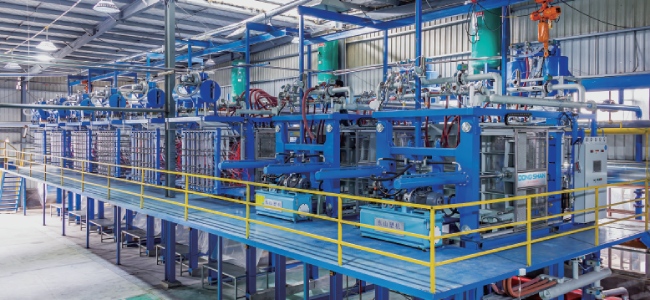



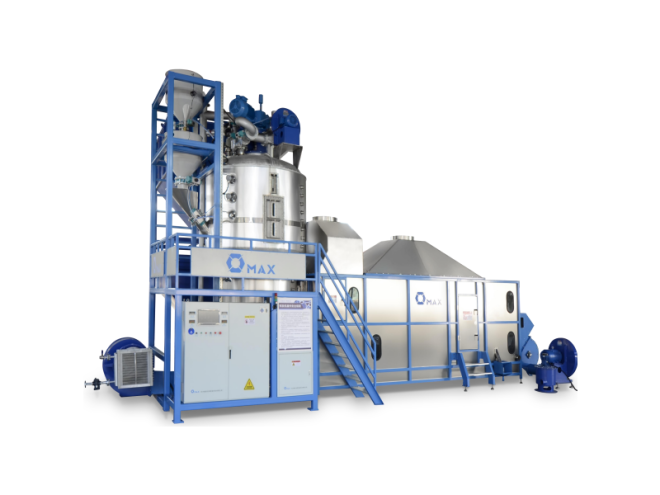
In the ever-evolving landscape of industrial manufacturing, material handling systems have become a pivotal element influencing productivity and efficiency. Among these systems, vacuum conveying stands out for its ability to facilitate the movement of bulk materials seamlessly. This comprehensive article delves into the intricacies of vacuum conveying systems, with a particular focus on the Expanded Polystyrene (EPS) industry. We’ll explore the components, processes, advantages, and the role of high-quality EPS vacuum systems in enhancing operational efficacy. Additionally, we highlight leading manufacturers and suppliers in the industry, such as Dongshan EPS Machinery, ensuring optimal choices for businesses.
Introduction to Vacuum Conveying Systems
● Definition and Basic Principles
Eps vaccum systems utilize the power of vacuum suction to move bulk materials through a pipeline. The fundamental principle involves creating a low-pressure environment which transports materials, such as powders and granules, from one location to another. This method is highly efficient for handling delicate or hazardous materials, ensuring safety and minimizing contamination.
● Importance in Industrial Settings
In industrial settings, especially within the EPS industry, vacuum conveying systems play a crucial role. They offer a seamless and efficient method for transporting EPS beads and other granules, thereby enhancing the overall production process. With increasing demands for quality and efficiency, the utilization of EPS vacuum systems has become indispensable.
Components of a Vacuum Conveying System
● Key Parts and Their Functions
A typical vacuum conveying system comprises several key components including:
- Vacuum pump: Creates the necessary suction power.
- Conveying line: A pipeline through which materials travel.
- Receiver: Collects the transported material.
- Filter: Prevents fine particles from reaching the vacuum pump.
- Control system: Manages the operation, ensuring optimal performance.
● Role of Each Component in the Process
Each component has a distinct role. The vacuum pump generates the required suction force, while the conveying line serves as the pathway for material movement. The receiver ensures the safe collection of materials, preventing spills or loss, and the filter maintains system integrity by safeguarding the pump from damage due to particle ingress.
Types of Materials Suitable for Vacuum Conveying
● Bulk Dry Materials
Vacuum conveying systems are particularly effective for handling bulk dry materials. This includes powders, granules, and small particulate matter. In the EPS industry, they are essential for moving EPS beads, ensuring uniform distribution and mixing during production processes.
● Characteristics of Powders and Granules
The characteristics of materials suitable for vacuum conveying include particle size, density, and flowability. EPS beads, known for their lightweight and dust-free nature, are ideal candidates for this conveying method. High-quality EPS vacuum systems are designed to accommodate these properties, ensuring smooth operation.
How Vacuum Conveying Works
● Step-by-step Process Explanation
The vacuum conveying process begins with the activation of the vacuum pump, creating a low-pressure zone within the conveying line. Materials are then sucked into the pipeline through the force of this pressure differential. Traveling through the system, they reach the receiver where they are collected. The control system regulates the flow and pressure, optimizing the conveyance based on material type and quantity.
● Role of Suction in Material Movement
Suction is the driving force in vacuum conveying. It enables the efficient and safe transport of materials over varying distances, adapting to different industrial needs. This method ensures minimal material loss and contamination, crucial for maintaining quality in EPS manufacturing.
Advantages of Vacuum Conveying
● Efficiency and Speed
Vacuum conveying systems offer high efficiency and speed. They can handle large volumes of material with minimal manpower, significantly reducing operational costs. Enhanced automation in high-quality EPS vacuum systems ensures consistency and reliability in manufacturing processes.
● Safety and Cleanliness Benefits
Safety and cleanliness are paramount in industrial environments. Vacuum conveying systems minimize dust and spillage, reducing health hazards and cleaning costs. Their enclosed nature protects both personnel and materials, aligning with industry standards for safety and hygiene.
Challenges in Vacuum Conveying
● Common Issues Encountered
Despite their benefits, vacuum conveying systems can present challenges such as:
- Clogging of pipelines
- Wear and tear of components
- Energy consumption
● Solutions and Troubleshooting Tips
Addressing these challenges requires regular maintenance and system checks. Implementing advanced control systems within best EPS vacuum systems can preemptively identify potential issues, allowing for timely interventions. Using high-quality materials and components from reputable EPS vacuum system manufacturers also extends the lifespan of the equipment.
Applications of Vacuum Conveying in Industries
● Examples from Food, Pharmaceuticals, and Chemicals
Beyond the EPS industry, vacuum conveying systems are widely used across various sectors. In food processing, they handle ingredients like flour and sugar with precision. The pharmaceutical industry relies on them for the safe transport of powders, reducing contamination risks. Chemical industries use vacuum systems for handling hazardous materials, ensuring safety and compliance with environmental regulations.
● Case Studies and Success Stories
Numerous case studies highlight the success of vacuum conveying systems in improving efficiency. Companies have reported significant reductions in labor costs and material waste, with improved product quality and throughput.
Comparing Vacuum Conveying to Other Methods
● Differences from Mechanical and Pneumatic Conveying
Vacuum conveying differs from mechanical and pneumatic systems in various aspects:
- Mechanical Conveying: Uses physical mechanisms like belts and screws. Suitable for coarse materials but less flexible than vacuum systems.
- Pneumatic Conveying: Similar to vacuum systems but uses compressed air. More energy-intensive and less efficient for lightweight materials like EPS beads.
● Pros and Cons of Each Method
Vacuum conveying systems, especially top-tier EPS vacuum systems, excel in handling delicate materials with minimal waste and contamination. However, they require precise design and maintenance. Mechanical systems are robust but less adaptable, while pneumatic systems offer high-speed conveyance but at a higher energy cost.
Innovations in Vacuum Conveying Technology
● Recent Advancements and Improvements
Recent advancements in vacuum conveying technology focus on efficiency and automation. High-quality EPS vacuum systems now integrate smart sensors and IoT capabilities, allowing remote monitoring and real-time adjustments to optimize performance.
● Future Trends and Predictions
The future of vacuum conveying is geared towards increased automation and sustainability. Industry experts predict a rise in demand for eco-friendly systems that reduce energy consumption and emissions, ensuring compliance with environmental regulations.
Best Practices for Implementing Vacuum Conveying
● Tips for System Design and Setup
Implementing a vacuum conveying system requires careful planning. Considerations include material properties, distance, and desired throughput. Engaging with reputable EPS vacuum system suppliers ensures access to expert advice and customized solutions.
● Maintenance and Operation Guidelines
Regular maintenance is crucial for optimal performance. This includes checking for leaks, inspecting filters, and ensuring all components function as intended. Partnering with a reliable EPS vacuum system factory ensures access to genuine parts and support.
Conclusion: The Role of Dongshan EPS Machinery
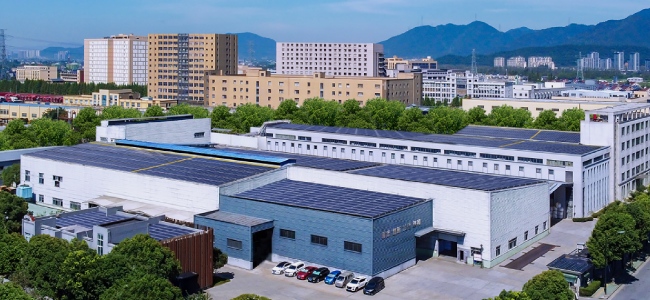
Hangzhou Fuyang Dongshan Plastic Machinery Co., Ltd. stands out in the EPS machinery sector, with nearly two decades of expertise in manufacturing high-quality EPS, EPP foam plastics machines. Positioned in Hangzhou, China, Dongshan EPS Machinery benefits from a strategic location near major ports, facilitating efficient global distribution. Recognized for innovation and excellence, the company boasts numerous patents and awards, including the prestigious CE certification and ISO9001 quality management system certification. Their commitment to quality and service ensures Dongshan EPS Machinery remains a trusted name in the industry, delivering advanced solutions tailored to modern material handling needs.

 Privacy settings