




Introduction to Plastic Molding Machines
Plastic molding machines are essential in modern manufacturing, serving as the backbone for producing a vast array of plastic products. These machines transform raw plastic materials into predefined shapes and sizes through various molding techniques. The versatility and efficiency of plastic molding machines make them indispensable in industries ranging from automotive to consumer goods. Understanding their components, types, and functionality is crucial for anyone involved in manufacturing or considering investment in plastic production technologies.
● Definition and Primary Functions
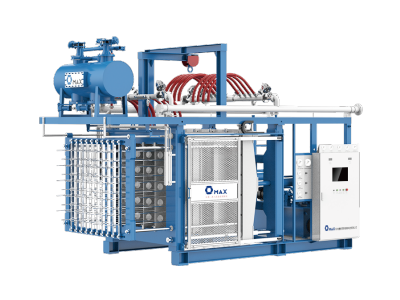
At their core, thermocol shape molding machines are designed to mold plastic materials into desired shapes with precision and consistency. They achieve this by melting raw plastic pellets or powder and then injecting or compressing them into molds. The resulting products are essential components in countless applications, from complex automotive parts to simple household items. The primary function of these machines is to ensure high-quality, efficient, and cost-effective production of plastic goods.
● Importance in Manufacturing Industries
The significance of plastic molding machines in manufacturing cannot be overstated. They enable mass production with consistent quality, significantly reducing manufacturing costs. High productivity rates, coupled with the capability to produce intricate designs, make these machines vital for companies striving to meet global demand while maintaining competitive pricing. The adaptability of these machines also allows manufacturers to quickly respond to changes in consumer preferences or technological advancements, ensuring they remain at the forefront of their industries.
Components of a Plastic Molding Machine
Understanding the components of a plastic molding machine is crucial for anyone interested in their operation and maintenance. These machines are composed of several key parts, each playing a vital role in the molding process.
● Major Parts and Their Roles
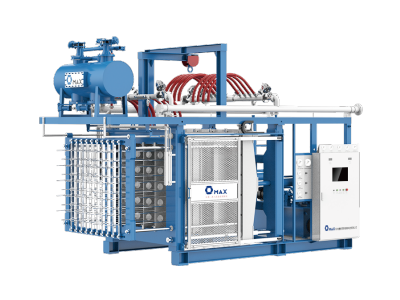
The major components of a plastic molding machine include the injection unit, clamping unit, mold, and control system. The injection unit melts and injects the plastic material into the mold. The clamping unit holds the mold halves together during the injection process, ensuring that the product maintains its shape. The mold itself is a critical component, designed to give the final product its desired shape and features. Finally, the control system manages the machine's operations, from temperature control to injection parameters, ensuring precision and consistency.
● Differences Among Machine Types
While all plastic molding machines share common components, their functionality can vary significantly depending on the type. Injection molding machines, for example, are designed for high-speed production of complex parts, while blow molding machines are used for hollow products like bottles. Compression molding machines, on the other hand, are ideal for creating large, durable items with simple designs. Understanding these differences is essential for selecting the right machine for specific production needs.
Types of Plastic Molding Machines
Plastic molding machines come in various types, each suited for different applications and materials. Understanding these types helps manufacturers choose the best machine for their specific needs.
● Injection Molding Machines
Injection molding is one of the most common and versatile methods of molding plastic. Injection molding machines are used to produce a wide range of products, from small precision components to large automotive parts. They work by injecting molten plastic into a mold cavity, where it cools and solidifies into the desired shape. These machines offer high efficiency and precision, making them ideal for large-scale production.
● Blow Molding Machines
Blow molding machines are used to create hollow plastic products, such as bottles and containers. The process involves inflating a molten plastic tube, known as a parison, inside a mold cavity. As air is blown into the parison, it expands to take the shape of the mold. This method is particularly effective for producing lightweight, strong, and uniform products.
● Compression Molding Machines
Compression molding machines are typically used for manufacturing large, thick, or heavy-duty products. The process involves placing a pre-heated plastic charge into a mold cavity, which is then compressed to shape the material as it cools. This type of molding is ideal for creating products with simple designs and high strength requirements, such as automotive parts and industrial components.
Working Principles of Plastic Molding Machines
Understanding the working principles of plastic molding machines is essential for optimizing their use and ensuring efficient production.
● Basic Operational Steps
The basic operation of a plastic molding machine involves several key steps: raw material feeding, melting, mold filling, cooling, and ejection. Raw plastic is fed into the machine, typically in pellet form, where it is heated until molten. The molten plastic is then injected or compressed into a mold, where it is shaped and cooled. Finally, the completed product is ejected from the mold, ready for further processing or assembly.
● Role of Temperature and Pressure
Temperature and pressure are critical factors in the molding process. Precise control of temperature ensures that the plastic material reaches the optimal viscosity for molding, while pressure ensures that the material fills the mold completely and takes the desired shape. Maintaining the right balance between these variables is essential for producing high-quality, defect-free products.
The Molding Process Explained
The plastic molding process involves several stages, each contributing to the final product's quality and precision.
● Step-by-Step Molding Stages
The molding process begins with the preparation of raw materials, which are typically fed into the machine's hopper. The materials are then heated and melted in the injection or compression unit. Once molten, the plastic is injected or compressed into a pre-designed mold, where it is cooled and solidified. After sufficient cooling, the mold is opened, and the finished product is ejected. Each stage must be carefully monitored and controlled to ensure high-quality results.
● Common Techniques in Molding
Several molding techniques are commonly used, each with its advantages and limitations. Injection molding is favored for its speed and precision, making it ideal for producing complex, high-volume products. Blow molding is the method of choice for hollow items, offering excellent strength-to-weight ratios. Compression molding is best suited for simple, durable items requiring high mechanical strength. Understanding these techniques allows manufacturers to select the most appropriate method for their specific production needs.
Applications of Plastic Molding Machines
Plastic molding machines are used across a wide range of industries, reflecting their versatility and importance in modern manufacturing.
● Industries Utilizing Plastic Molding Machines
Plastic molding machines are integral to industries such as automotive, electronics, packaging, and consumer goods. In the automotive sector, they produce complex, high-performance parts with tight tolerances. In electronics, they create precision components for devices and appliances. The packaging industry relies on blow molding machines for producing lightweight, durable containers. Consumer goods manufacturers use these machines to produce everything from toys to household items, benefiting from high productivity and consistency.
● Examples of Products Created
The products created by plastic molding machines are as diverse as the industries they serve. Injection molding machines produce everything from car dashboards and medical devices to intricate electronic housings. Blow molding machines are responsible for the ubiquitous plastic bottles and containers found in homes worldwide. Compression molding machines create robust products like automotive bumpers and industrial equipment housings. This versatility highlights the critical role plastic molding machines play in modern manufacturing.
Advantages of Using Plastic Molding Machines
Plastic molding machines offer numerous benefits, making them a preferred choice for manufacturers around the world.
● Benefits in Production Efficiency
One of the primary advantages of plastic molding machines is their efficiency. They enable high-speed production with minimal waste, significantly reducing manufacturing costs. Automated processes and precise controls ensure high productivity levels, allowing manufacturers to meet tight production schedules and deliver products to market quickly. This efficiency is particularly valuable in competitive industries where time-to-market is a critical factor.
● Quality and Consistency of Finished Products
Plastic molding machines excel in producing high-quality, consistent products. Advanced control systems and precision molds ensure that each item is identical to the next, minimizing defects and ensuring a high level of uniformity. This consistency is essential for maintaining product quality, meeting stringent industry standards, and ensuring customer satisfaction.
Challenges and Limitations
Despite their advantages, plastic molding machines also face certain challenges and limitations that must be addressed.
● Common Issues Faced in Molding
Some common issues faced in plastic molding include defects such as warping, sink marks, and incomplete filling. These defects can be caused by factors such as improper temperature or pressure settings, poor mold design, or material inconsistencies. Solving these issues requires careful monitoring and control of the molding process, as well as regular maintenance and calibration of the machines.
● Environmental and Economic Concerns
Environmental concerns are increasingly important in the manufacturing industry, and plastic molding is no exception. The production of plastic products contributes to landfill waste and environmental pollution. Additionally, the energy-intensive nature of the molding process raises economic concerns related to energy consumption and costs. Manufacturers are addressing these challenges by adopting sustainable practices, such as recycling and using biodegradable materials, and investing in energy-efficient technologies.
Technological Advancements in Molding Machines
Recent technological advancements have transformed plastic molding machines, improving their efficiency, precision, and environmental impact.
● Recent Innovations and Trends
Innovations in plastic molding technology include the development of advanced control systems, automation, and Industry 4.0 integration. These advancements enhance machine precision, reduce downtime, and improve process monitoring and control. The use of smart sensors and data analytics enables manufacturers to optimize production processes and make data-driven improvements.
● Impact on Production and Quality
Technological advancements have a significant impact on production quality and efficiency. Improved molding machines can produce more complex designs with higher precision and faster cycle times. This enhances product quality and reduces manufacturing costs. Additionally, environmentally friendly technologies, such as energy-efficient heating systems and recyclable materials, help manufacturers reduce their environmental footprint and meet sustainability goals.
Future Outlook for Plastic Molding Machines
The future of plastic molding machines is shaped by technological innovations and a growing emphasis on sustainability.
● Predictions for Industry Changes
The plastic molding industry is expected to continue evolving, with a focus on automation and digitalization. The integration of artificial intelligence and machine learning will enable machines to self-optimize, enhancing efficiency and reducing human intervention. Furthermore, the development of new materials, such as bio-based plastics, will drive advancements in molding processes and applications.
● Sustainability and Eco-friendly Practices
Sustainability is becoming an increasingly important consideration for manufacturers. Companies are investing in technologies that reduce energy consumption, waste, and emissions associated with plastic molding. This includes the use of recyclable materials, closed-loop production systems, and energy-efficient machines. These practices not only improve environmental performance but also enhance brand reputation and meet consumer demand for sustainable products.
Conclusion
Plastic molding machines are a cornerstone of modern manufacturing, offering versatility, precision, and efficiency in producing a wide range of plastic products. From industrial components to everyday household items, these machines play a vital role in numerous industries. As technology advances and environmental concerns grow, the plastic molding industry is poised for continued innovation and evolution, embracing sustainable practices and digital transformation to meet the challenges of the future.
● Dongshan EPS Machinery: Leading Innovation in Plastic Molding
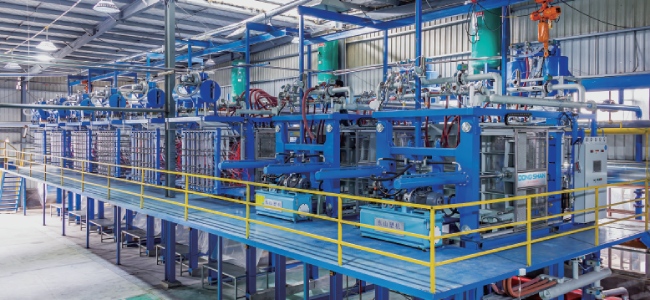
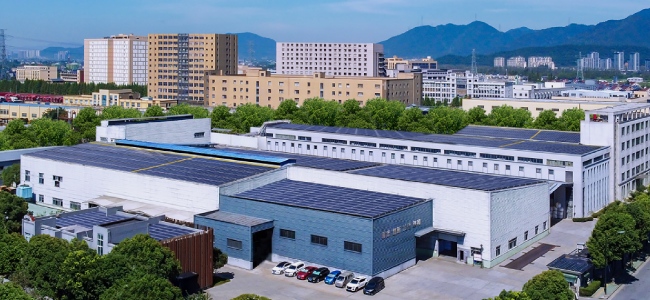
Hangzhou Fuyang Dongshan Plastic Machinery Co., Ltd. has specialized in manufacturing EPS and EPP foam plastics machines for nearly 20 years, integrating independent R&D, manufacturing, sales, and service. Located in Hangzhou, China, the company benefits from a strategic position near major ports like Shanghai and Ningbo, ensuring convenient export logistics. Dongshan EPS Machinery is renowned for its high-quality machines, certified by CE and ISO9001-2008, and recognized as a high-tech enterprise. With a commitment to quality and innovation, Dongshan offers a range of advanced products, including Auto Block Moulding Machines and cutting-edge Recycle Machines, serving customers worldwide.

 Privacy settings