




Understanding EPS Auxiliary Equipment: An In-Depth Exploration
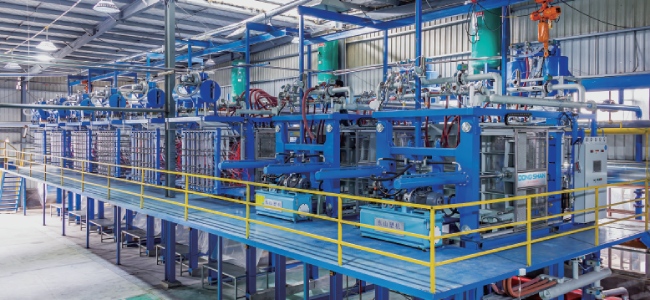
Expanded Polystyrene (EPS) is a remarkable material widely utilized for its versatility and lightweight properties, primarily in packaging and construction insulation. The efficiency of EPS production hinges on the effective functioning of auxiliary equipment, which plays a critical role in ensuring streamlined operations and optimal product quality. This article delves into the world of EPS auxiliary equipment, offering a comprehensive overview of its components, functions, benefits, and selection criteria. Join us as we explore the essential elements of high-quality EPS auxiliary equipment, including insights on the best EPS auxiliary equipment manufacturers and suppliers.
Pre-Expanders: Essential for EPS Production
● Types of Pre-Expanders
Pre-expanders are the cornerstone of EPS production, responsible for transforming raw EPS granules into lightweight, air-filled beads. These machines come in various forms, primarily categorized into continuous and batch pre-expanders.
- Continuous Pre-Expanders : Ideal for large-scale production facilities, these machines offer a high-volume, continuous feed of EPS granules into a pressurized chamber where hot air expands the granules. Their ability to maintain a steady flow of expanded beads makes them a staple in large operations.
- Batch Pre-Expanders : Suited for smaller production lines or operations with varying needs, batch pre-expanders operate in cycles. They load a batch of granules, pre-expand them, and discharge the beads before reloading. This flexibility makes them invaluable for customized production requirements.
● Functions and Benefits
Pre-expanders play a pivotal role in EPS production by increasing efficiency, improving product quality, and saving materials. Pre-expanding the granules reduces the time and energy required during the molding process, ensuring a more uniform bead size and density. This consistency leads to final products with reliable properties, such as strength and insulation value, while also minimizing material usage by allowing expanded beads to achieve desired volumes with less input.
Silo Systems: Efficient Bead Storage and Delivery
● Gravity Flow vs. Pneumatic Silos
Silo systems are integral to the EPS production process, serving as storage and delivery solutions for pre-expanded EPS beads. They are typically vertical tanks equipped with a discharge system feeding beads into molding machines.
- Gravity Flow Silos : Relying on gravity for bead movement, these silos transport beads from the top to the discharge point in an economical manner. They are suitable for smaller production setups.
- Pneumatic Silos : Utilizing compressed air, pneumatic silos transport beads through pipelines to molding machines, offering precise control over bead flow. They are ideal for larger facilities with complex layouts.
● Importance in EPS Manufacturing
Silo systems ensure a constant and reliable supply of pre-expanded beads, minimizing production downtime. They reduce material waste by preventing bead loss and contamination and contribute to improved product consistency through a steady bead flow.
Block Molds: Shaping EPS Effectively
● Standard vs. Shaped Molds
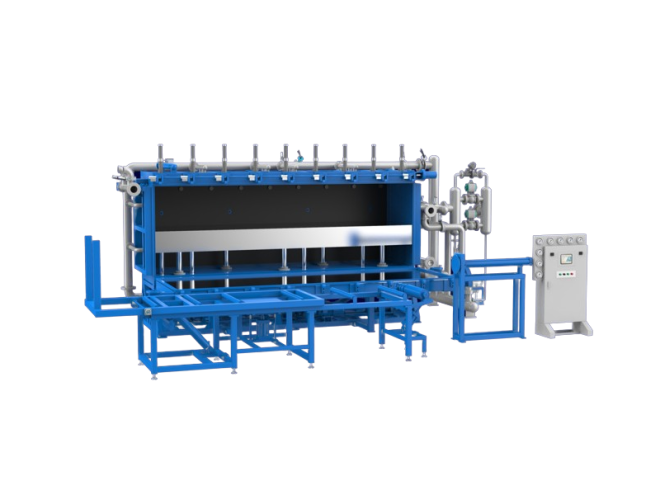
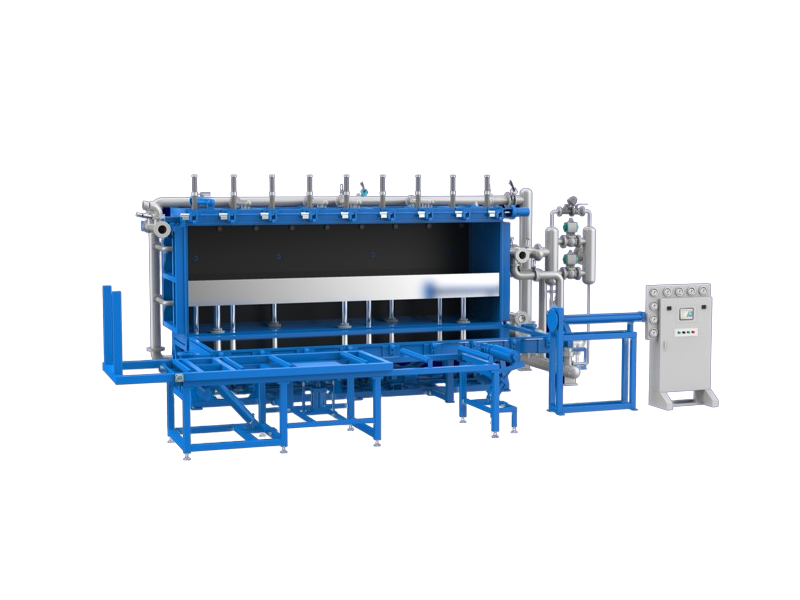
Block molds are reusable tools that shape pre-expanded beads during the EPS molding process. They play a crucial role in determining the size and shape of the final product.
- Standard Block Molds : Designed to produce rectangular EPS blocks, these molds come in various sizes and are used for general applications.
- Shaped Block Molds : Customized molds that cater to specific applications, such as pipe insulation or packaging molds, by creating EPS blocks with tailored shapes.
● Role in Molding Process
Block molds offer versatility and durability, with precision-made molds ensuring consistent dimensions in the final EPS block. High-quality molds withstand repeated use and high temperatures, guaranteeing long-lasting performance and dimensional accuracy.
Cutting Lines: Precision in EPS Shaping
● Types of Cutting Lines
Cutting lines are specialized machines used to slice and shape EPS blocks into desired final product dimensions. They offer various benefits, including enhanced precision and reduced waste.
- Band Saws : Cost-effective and versatile, these saws utilize a continuous blade to cut EPS blocks into straight or curved shapes. They require skilled operators for precise cuts.
- Hot Wire Cutters : Employing a heated wire for cutting, these machines melt through EPS material to create clean and precise cuts. They are ideal for intricate shapes and offer automated operation.
- CNC Cutting Lines : These computer-controlled cutting lines provide the highest level of precision and automation, handling complex shapes and ensuring consistent cutting quality.
● Benefits of Precision Cutting
Cutting lines contribute to dimensional accuracy by enabling precise cutting of EPS blocks, leading to products with exact dimensions. They minimize scrap material compared to manual methods and increase production efficiency through automation.
Densifiers: Optimizing EPS Material Usage
● Functionality and Advantages
Densifiers are specialized machines that reprocess EPS scrap and leftover trimmings generated during molding and cutting. They compact the scrap material into high-density EPS logs, reducing waste and creating valuable secondary resources.
● Impact on Waste Reduction
By transforming EPS waste into usable material, densifiers minimize environmental impact and optimize material usage. They offer cost savings by reducing waste disposal expenses and potentially creating secondary revenue streams from selling densified logs. Densification promotes sustainability by minimizing EPS waste.
Cooling Towers and Air Compressors in EPS Production
Cooling towers and air compressors are essential auxiliary components that enhance EPS production efficiency.
● Importance of Cooling Towers
Cooling towers provide a cooling water source for processes like steam generation and equipment cooling. They ensure efficient operation by maintaining optimal temperatures during production, safeguarding equipment longevity and performance.
● Role of Air Compressors
Compressed air is used in various applications within EPS production, such as pneumatic silo systems and cleaning equipment. Selecting an air compressor with sufficient capacity ensures reliable operation and aids in maintaining an efficient production environment.
Material Handling in EPS Manufacturing
Material handling equipment plays a pivotal role in automating material movement within EPS production facilities.
● Equipment Types (Conveyors, Forklifts)
Material handling equipment, including conveyors and forklifts, enhances efficiency and worker safety by automating material transportation. These systems reduce manual handling, speeding up processes, and reducing the risk of human error.
● Efficiency and Safety Considerations
Implementing efficient material handling solutions improves overall production operations by streamlining workflows. Safety is prioritized by minimizing manual handling tasks, which reduces the risk of workplace injuries and enhances productivity.
Dosing Systems: Ensuring Consistent EPS Quality
● Purpose and Function
Dosing systems are vital for ensuring consistent EPS product quality by accurately measuring and dispensing additives, such as flame retardants, during production. These systems ensure uniform distribution of additives, resulting in products with reliable properties.
● Types and Benefits
Dosing systems vary in design and operation, offering tailored solutions for different production needs. They enhance product quality by maintaining consistent additive levels, contributing to reliable and predictable product performance.
Selecting the Right EPS Auxiliary Equipment
● Factors to Consider (Compatibility, Reliability)
Selecting the best EPS auxiliary equipment requires careful consideration of factors such as production needs, compatibility, and reliability. Ensuring equipment aligns with specific production volumes, desired product types, and budget constraints is crucial.
● Safety and Maintenance Importance
Prioritizing safety features in all equipment ensures a safe working environment for employees. Investing in reliable equipment with readily available maintenance support minimizes downtime and enhances operational efficiency, contributing to long-term success.
About Dongshan EPS Machinery
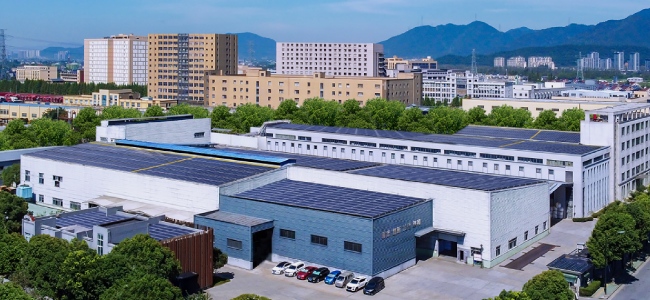
Hangzhou Fuyang Dongshan Plastic Machinery Co., Ltd. has specialized in manufacturing EPS and EPP foam plastics machines for nearly 20 years, integrating independent R&D, manufacture, sales, and service. Located in Hangzhou, close to key ports like Shanghai and Ningbo, the company's strategic location facilitates convenient exports. Recognized as a high-tech enterprise, Dongshan EPS machinery passed the CE certification and ISO9001-2008 quality management system certification. The "Dongshan" trademark is acclaimed as a well-known brand, with numerous patents under its belt. Dongshan Company focuses on quality and innovation, exporting its renowned EPS machinery globally. Visit Dongshan EPS Machinery for top-tier products and services.

 Privacy settings