





In the expansive landscape of manufacturing, EPS moulders have emerged as pivotal players. These machines, designed to manipulate Expanded Polystyrene (EPS), are integral in producing a plethora of products that are lightweight, durable, and efficient. This article delves into the intricacies of EPS moulders, exploring their technology, applications, and the industry's trends. With their ability to transform raw EPS beads into various shapes, these moulders are celebrated for their versatility and efficiency. Discover what makes the best EPS moulders stand out, understand the role of high-quality EPS moulders in diverse industries, and learn about prominent EPS moulders manufacturers, factories, and suppliers.
1.Introduction to EPS Moulders: An Overview
● Definition and Significance of EPS Moulders
EPS moulders are specialized machines designed to mold Expanded Polystyrene into specific shapes and sizes. These machines play a critical role in industries ranging from packaging to construction, offering a solution that is both economical and environmentally friendly. The significance of EPS moulders lies in their ability to produce high-quality, consistent products rapidly, making them indispensable to manufacturers worldwide.
● Historical Background and Evolution
The evolution of EPS moulders traces back to innovations in plastic production during the 20th century. Originally used for simple packaging, EPS soon garnered attention for its thermal and protective properties. Over time, advancements in technology led to the development of sophisticated moulders capable of producing intricate designs and structures. Today, the best EPS moulders are equipped with features that enhance precision and efficiency, setting new standards in manufacturing.
2. The EPS Moulding Process: From Beads to Shapes
● Detailed Explanation of the Moulding Process
The EPS moulding process begins with raw polystyrene beads, which undergo a series of transformations. Initially, these beads are expanded using steam, increasing their size and porosity. Once expanded, they are transferred into a mould, where they are subjected to additional steam and pressure to fuse them into the desired shape. This moulding process is pivotal in ensuring the structural integrity and precision of each product.
● Importance of Temperature and Pressure
Temperature and pressure are critical factors in the EPS moulding process. The precise application of steam and the control of pressure determine the quality and consistency of the final product. High-quality EPS moulders are equipped with advanced systems to monitor and adjust these parameters, ensuring each batch meets stringent specifications. This control is what differentiates the best EPS moulders from lesser alternatives.
3. Types of EPS Products: Versatility in Applications
● Common Products Created Using EPS Moulders
EPS moulders are essential in producing a wide array of products. In the packaging industry, they are used to create protective shells for electronics and fragile goods. In construction, EPS blocks serve as effective insulation, providing both thermal efficiency and structural support. Additionally, EPS is utilized in the manufacture of automotive components, sports equipment, and even decorative items.
● Emerging Trends in EPS Product Design
The demand for sustainable and innovative EPS products continues to rise, prompting manufacturers to explore new designs and applications. Recent trends focus on eco-friendly products that leverage EPS's recyclable nature. The integration of smart technologies in EPS moulders has also enabled the production of more complex and precise designs, broadening the scope of potential applications.
4. Technology Behind EPS Moulding Machines
● Components and Working Mechanism of Moulding Machines
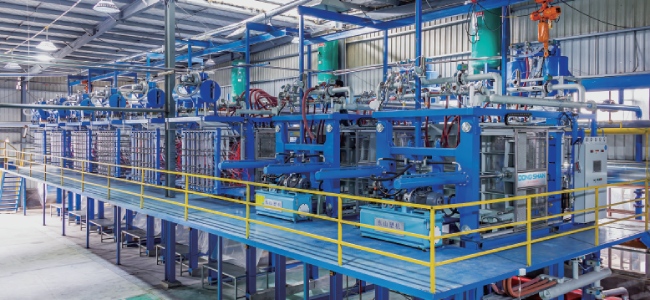
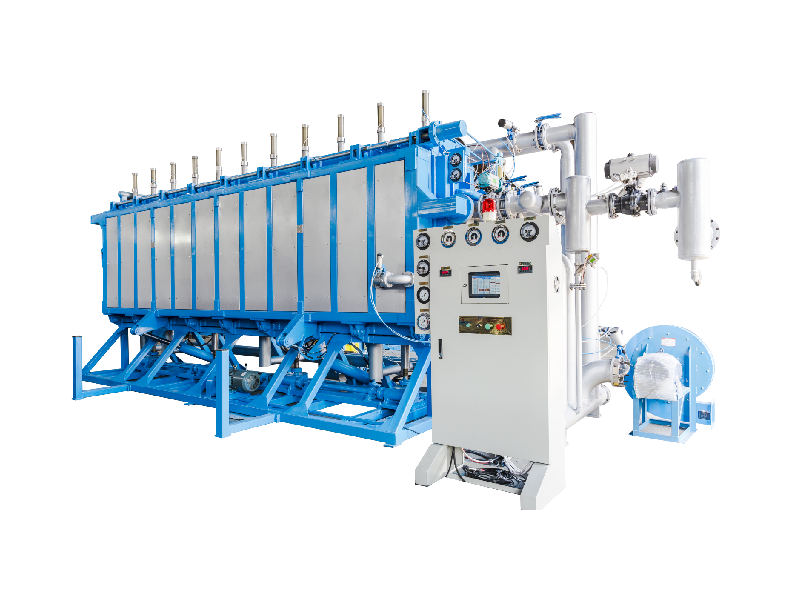
EPS moulding machines comprise several key components that work in harmony to produce high-quality products. These include pre-expanders, moulding chambers, steam injectors, and cooling systems. The working mechanism involves the expansion of beads, filling of the mould, application of steam, and subsequent cooling. Each stage is meticulously controlled to achieve the desired outcome.
● Innovations and Advancements in Technology
Recent advancements in EPS moulding technology have focused on automation and energy efficiency. Modern EPS moulders feature automated systems that reduce manual intervention, enhancing precision and throughput. Innovations such as energy recovery systems and the use of eco-friendly materials further underscore the commitment to sustainability in the EPS moulding industry.
5. Advantages of Using EPS in Manufacturing
● Lightweight and Durable Properties of EPS
EPS is renowned for its lightweight composition and durable nature, making it an ideal material for various applications. Its ability to absorb impact and insulate against temperature changes provides significant advantages in industries like packaging and construction. High-quality EPS moulders capitalize on these properties to produce robust and reliable products.
● Cost-Effectiveness and Efficiency in Production
EPS moulders offer significant cost advantages due to their ability to produce large volumes of products with minimal waste. The efficiency of the production process, combined with the recyclable nature of EPS, contributes to lower operational costs and environmental impact. As a result, manufacturers can deliver cost-effective solutions without compromising on quality.
6. Environmental Considerations in EPS Moulding
● Sustainability and Recyclability of EPS Products
The environmental footprint of EPS products is a critical consideration for manufacturers and consumers alike. EPS is highly recyclable, and many moulders are designed to incorporate recycled materials, reducing waste and conserving resources. This focus on sustainability aligns with global efforts to minimize the environmental impact of plastic products.
● Challenges and Solutions in Waste Management
While EPS is recyclable, effective waste management requires infrastructure and innovation. Challenges include the collection and processing of EPS waste, which can be bulky and difficult to handle. However, advancements in recycling technologies and increased awareness of waste management practices have paved the way for more sustainable EPS moulding operations.
7. Industry Applications: EPS in Packaging and Beyond
● Role of EPS in the Packaging Industry
EPS is a mainstay in the packaging industry, providing superior protection for goods during transit. Its lightweight nature reduces shipping costs, while its cushioning properties safeguard against damage. EPS moulders enable the production of custom packaging solutions tailored to specific product requirements, ensuring optimal protection.
● Use of EPS in Construction and Protective Gear
Beyond packaging, EPS finds applications in construction as an insulating material. Its thermal efficiency and structural support make it ideal for use in building panels and blocks. In the realm of protective gear, EPS is utilized in helmets and padding, offering enhanced safety and comfort.
8. Market Trends and Demand for EPS Products
● Global Market Analysis and Growth Factors
The global market for EPS products continues to expand, driven by demand from industries such as packaging, construction, and automotive. Factors contributing to market growth include the material's versatility, cost-effectiveness, and sustainability. Innovations in EPS moulders further fuel this demand, enabling the production of increasingly diverse and complex products.
● Key Players and Competitive Landscape
The EPS moulding industry is characterized by a competitive landscape with numerous manufacturers vying for market share. Key players focus on technological advancements and quality assurance to differentiate their offerings. Collaboration with suppliers and robust distribution networks are also critical factors in maintaining competitive advantage.
9. Challenges Faced by EPS Moulders
● Technical and Operational Challenges
EPS moulders encounter various technical and operational challenges, such as maintaining consistent product quality and optimizing production efficiency. Addressing these challenges often involves investing in advanced machinery and implementing rigorous quality control measures. Moreover, the adaptation to new technologies and processes is essential for staying competitive.
● Regulatory and Compliance Issues
Adherence to regulatory standards and compliance with environmental guidelines pose additional challenges for EPS moulders. Manufacturers must ensure their products meet safety specifications and environmental criteria, which may require certification and modification of production processes. Staying abreast of regulatory changes is crucial for sustained success in this industry.
10. Future Prospects and Innovations in EPS Moulding
● Potential Future Advancements and Technologies
The future of EPS moulding is poised for exciting developments, driven by technological innovations and increased demand for sustainable practices. Potential advancements include the implementation of artificial intelligence for process optimization and the use of biodegradable materials. Such innovations promise to enhance the capabilities and environmental performance of EPS moulders.
● Predictions for Industry Growth and Diversification
The EPS moulding industry is expected to experience significant growth and diversification in the coming years. As more sectors discover the benefits of EPS, the range of applications will continue to widen. The emphasis on sustainability and innovation will also spur new opportunities and challenges, shaping the industry's trajectory.
Conclusion
EPS moulders are revolutionizing industries by providing efficient, precise, and versatile solutions for producing high-quality products. As the demand for sustainable materials like EPS grows, the role of these moulders becomes increasingly significant. Understanding the intricacies of EPS moulding and staying informed about industry trends is essential for manufacturers, suppliers, and stakeholders alike.
Company Profile: Dongshan EPS Machinery
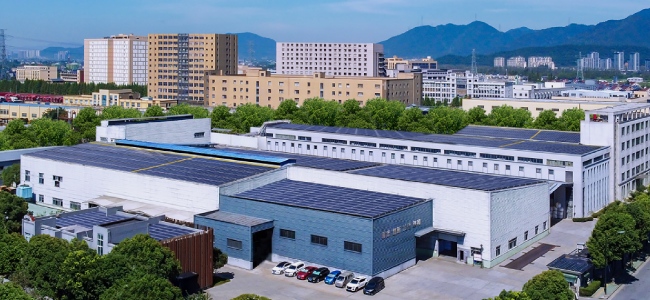
Dongshan EPS Machinery is a renowned name in the EPS moulding industry, with nearly 20 years of expertise in manufacturing EPS and EPP foam plastics machines. Located in Hangzhou, China, Dongshan boasts a strategic position near major ports, facilitating easy export. With accolades such as CE certification and ISO9001-2008 quality management certification, Dongshan EPS Machinery is recognized for its innovation and quality. The company offers a diverse range of products, including Auto Block Moulding Machines and Recycle Machines, and has a strong global presence, exporting to over fifty countries.

 Privacy settings