




Understanding the eps machine: A Comprehensive Guide
Introduction to EPS Machines
● Definition of EPS Machines
EPS machines, an abbreviation for expandable polystyrene machines, have emerged as crucial tools in various industries, particularly in packaging and construction. These machines are also known as EPS Styrofoam machines or EPS thermocol machines. EPS machines primarily serve to produce a diversity of foam products such as packaging materials and insulation blocks, catering to the ever-growing demand for lightweight and durable materials in multiple sectors. As a result, the market for high-quality EPS machines is expanding, drawing attention from manufacturers looking for the best EPS machine to enhance their production capabilities.
● Overview of Use Cases
EPS machines are versatile and find applications across several industries. In the packaging sector, they are used to create protective packaging to safeguard delicate goods during transportation. In construction, EPS products play an integral role in thermal insulation, providing efficient solutions to reduce energy consumption in buildings. Given their broad utility and efficiency, these machines are a vital addition to any EPS machine factory, ensuring productivity and innovation in production processes.
Components of EPS Machines
● Key Parts and Functionalities
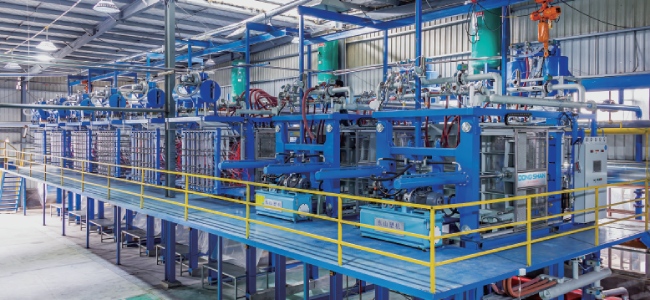
Understanding the components of an EPS machine is essential for appreciating its operation and efficiency. A typical EPS machine consists of various parts such as the EPS pre-expander, molding machine, and cutting machine. The pre-expander is responsible for expanding raw polystyrene beads, while the molding machine shapes them into the desired form. Each component plays a distinctive role, enhancing the machine's capability to produce high-quality EPS products that meet industry standards.
● Materials Used in Construction
EPS machines are constructed using robust materials that withstand rigorous operational demands. High-grade steel and aluminum are commonly used in the frames and critical parts to ensure durability and longevity. These materials not only provide structural strength but also aid in the efficient functioning of the machine components. By ensuring that components are manufactured with quality materials, EPS machine suppliers guarantee machines that are reliable and capable of producing superior EPS products consistently.
EPS Machine Functions
● Molding and Shaping
One of the primary functions of an EPS machine is molding and shaping. The process begins with the pre-expansion of polystyrene beads, which are then molded into specified shapes and sizes. The molding machine applies heat and pressure to ensure the beads fuse into a cohesive product. This function is critical in producing the various EPS shapes required for packaging and construction applications, making it a pivotal aspect of EPS machine operation.
● Pressing and Cutting
After molding, the next crucial function is pressing and cutting. EPS machines are equipped with high-precision cutting tools that shape the molded EPS into final products. Whether it is creating insulation sheets or intricate packaging forms, the precision cutting capabilities ensure products meet design specifications with minimal waste. This functionality is vital for EPS machine manufacturers, who strive to provide versatile machines that cater to diverse production needs.
Production Process in EPS Machines
● Pre-expansion Phase
The production process in EPS machines begins with the pre-expansion phase. Raw polystyrene beads are subjected to steam heat, causing them to expand and increase in volume. This expansion is carefully controlled to ensure the beads attain the desired size and density. The pre-expansion phase is crucial as it determines the quality and characteristics of the final EPS product, emphasizing the importance of using a high-quality EPS machine for consistent results.
● Molding and Finalization
Following pre-expansion, the expanded beads are transferred to the molding machines. Here, they are subjected to further heating and pressure to form a solid mass that takes the shape of the mold. This stage of the process is where the EPS product receives its final form and strength. EPS machine factories that invest in advanced molding technologies can produce superior products that meet stringent industry standards, reinforcing their position as leaders in EPS production.
Applications of EPS Machines
● Packaging Industry
In the packaging industry, EPS machines play a significant role in producing protective packaging materials. These materials are essential for protecting goods during transportation, ensuring that fragile and valuable items reach their destination unharmed. The lightweight, shock-absorbing properties of EPS make it an ideal choice for packaging, and the best EPS machines can produce a range of packaging solutions that cater to diverse market needs.
● Construction Materials
EPS machines are equally crucial in the construction industry, particularly in the production of insulation materials. EPS insulation blocks are prized for their thermal efficiency, lightweight, and ease of installation. They help reduce energy costs by providing effective insulation in walls, roofs, and floors. By investing in a state-of-the-art EPS machine, manufacturers can produce insulation products that meet modern energy efficiency standards, boosting their competitiveness in the construction market.
EPS Machine Variants
● Different Types and Models
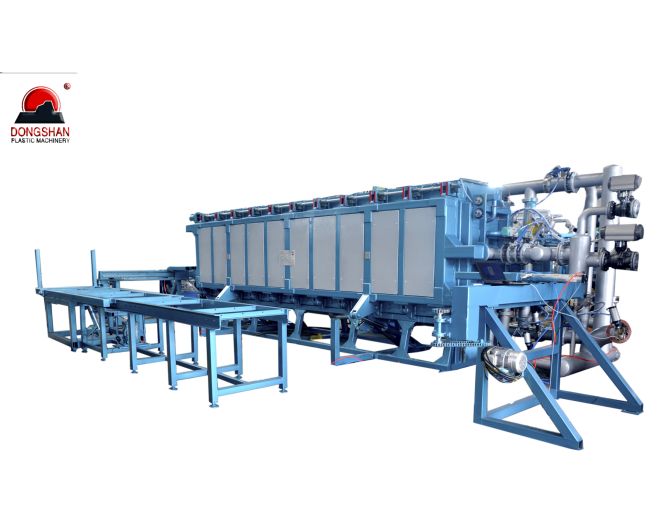
There is a diverse range of EPS machine variants available, each designed to meet specific production requirements. From simple pre-expanders to advanced shape molding machines, manufacturers can select models that align with their production goals. Automated systems, such as auto block molding machines and cutting machines, enhance productivity and precision, making them a popular choice among EPS machine suppliers striving to offer the best solutions to their clients.
● Specialized Machines for Specific Tasks
Some EPS machines are specialized for particular tasks within the production process. For instance, recycling machines facilitate the reuse of EPS scraps, promoting sustainability in production. Other specialized machines focus on producing intricate shapes or achieving specific densities in the final product. These specialized machines enable manufacturers to diversify their offerings and meet unique customer demands, showcasing the versatility and adaptability of EPS machine technology.
Advantages of Using EPS Machines
● Efficiency and Productivity
EPS machines are designed to maximize efficiency and productivity in the production of EPS products. Their advanced technology enables rapid processing and reduces manual intervention, allowing manufacturers to produce more within a shorter time frame. The automation and precision offered by these machines minimize waste and ensure consistency in product quality, making them indispensable tools for any EPS machine factory aiming to optimize its production line.
● Environmental Benefits
EPS machines present notable environmental benefits by facilitating the production of recyclable and reusable products. With growing emphasis on sustainability, EPS manufacturers are increasingly focused on producing eco-friendly products that minimize environmental impact. The integration of recycling capabilities within EPS machines further reduces waste, enhancing the sustainability quotient of production processes. This dual benefit of efficiency and environmental stewardship underscores the value of investing in a high-quality EPS machine.
Challenges in EPS Machine Operations
● Technical Difficulties
While EPS machines offer significant advantages, they are not without challenges. Technical difficulties can arise, impacting production efficiency and output quality. Common issues include machine breakdowns, inconsistent product quality, and operator errors. To mitigate these challenges, it is crucial for EPS machine suppliers to provide comprehensive training and technical support, ensuring operators can troubleshoot and maintain machines effectively.
● Maintenance Requirements
Regular maintenance is essential to ensure the longevity and optimal performance of an EPS machine. Neglecting maintenance can lead to costly repairs and downtime, hampering production schedules. Manufacturers must adhere to a stringent maintenance routine, which includes regular inspections, part replacements, and system calibrations. By partnering with a reliable EPS machine supplier, manufacturers can access the maintenance support needed to keep their machines running smoothly and efficiently.
Future Trends in EPS Technology
● Innovations and Advancements
The future of EPS technology is bright, with continuous innovations and advancements reshaping the industry. Developments in automation and digital technology are enhancing machine efficiencies, providing manufacturers with greater control and flexibility. As the demand for lightweight, durable, and sustainable materials grows, the best EPS machines will incorporate cutting-edge technologies to meet evolving market needs, positioning EPS machine manufacturers at the forefront of industrial innovation.
● Impact on Industries
The advancements in EPS technology are set to have a profound impact on industries reliant on foam products. From more energy-efficient building materials to innovative packaging solutions, the capabilities of modern EPS machines are expanding the possibilities and applications of EPS. Manufacturers who embrace these technological trends will likely gain a competitive edge, offering products that align with environmental goals and consumer expectations for high-quality solutions.
Conclusion and Final Thoughts
● Summary of Key Points
In conclusion, EPS machines are indispensable in the production of EPS products, offering a range of applications in packaging and construction industries. Their advanced technology, characterized by components such as pre-expanders and molding machines, ensures efficient and high-quality production processes. Although challenges exist, the ongoing advancements in EPS technology promise exciting opportunities for manufacturers and suppliers alike, paving the way for innovative, sustainable solutions.
● The Future Outlook for EPS Machines
As industries continue to prioritize sustainability and efficiency, the role of EPS machines is set to become increasingly vital. With continuous innovations and a focus on quality, EPS manufacturers are well-positioned to meet future demands. By investing in the best EPS machines and partnering with leading EPS machine suppliers, manufacturers can ensure their operations remain cutting-edge and competitive in the global market.
Company Introduction: Dongshan EPS Machinery
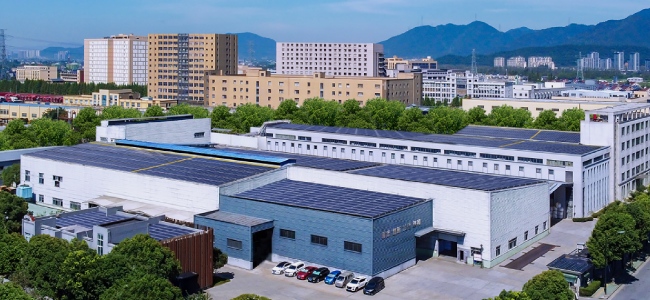
Hangzhou Fuyang Dongshan Plastic Machinery Co., Ltd. has been at the forefront of manufacturing EPS and EPP foam plastics machines for nearly two decades. With a focus on integrating independent research and development, the company excels in producing high-quality machinery. Located in the rapidly developing district of Hangzhou, China, Dongshan EPS Machinery benefits from its proximity to major ports, ensuring convenient transportation and export. Recognized for quality and innovation, Dongshan has achieved numerous certifications and awards, cementing its reputation as a leader in the plastic machine industry. Their commitment to excellence ensures that customers worldwide receive reliable and efficient EPS machinery solutions.


 Privacy settings