




Introduction to EPS Moulding
● Definition and Importance of EPS Moulding
EPS moulding involves the shaping of Expanded Polystyrene, a versatile and lightweight material, into specific forms. These forms can range from protective packaging for electronic goods to thermal insulation panels and safety equipment like bicycle helmets. The moulding process enhances the material's properties, making it suitable for diverse applications.
● Brief History and Development
The development of EPS dates back to the mid-20th century when it was first introduced as a versatile packaging material. Over the years, advancements in moulding technology and machinery have expanded EPS applications, solidifying its position in various industries. The evolution of high-quality EPS shape moulding machines has played a significant role in this development.
Properties of Expanded Polystyrene (EPS)
● Durability and Strength
Expanded Polystyrene is renowned for its exceptional durability and strength. Its structure allows it to absorb impact effectively, making it an ideal material for protective packaging. EPS maintains its integrity even in damp conditions, providing reliable protection for goods in transit.
● Moisture Resistance and Hygiene Benefits
EPS's moisture-resistant properties contribute to its popularity in the food packaging industry. It meets the highest hygiene standards, ensuring that food products remain uncontaminated during transportation. This combination of durability and moisture resistance underscores the material's versatility.
Lightweight Nature of EPS
● Composition and Air Content
EPS is composed of 98% air, making it an incredibly lightweight material. This high air content is achieved through a unique manufacturing process that expands polystyrene beads. The result is a material that is easy to handle and transport, reducing logistical challenges.
● Impact on Transportation Costs and Environmental Benefits
The lightweight nature of EPS significantly reduces transportation costs. Lower product weight means less fuel consumption, which in turn minimizes vehicle emissions and contributes to lower global warming. These environmental benefits make EPS a sustainable choice for many industries.
Thermal Insulation Properties
● Use in Food Packaging and Preservation
One of the standout features of EPS is its thermal insulation properties. It helps maintain the freshness of food products, especially in the distribution chain. EPS is widely used to package perishable items like fish, ensuring they stay fresh from the point of origin to the consumer.
● Applications in Horticulture and Plant Growth
In the horticultural sector, EPS is used for seed trays and other applications where low heat loss is essential. The thermal insulation properties of EPS promote plant growth by maintaining optimal temperatures, making it an invaluable material for gardening and agriculture.
Diverse Applications of EPS
● Consumer Electronics and White Goods Packaging
EPS's excellent shock absorbency and mechanical protection make it ideal for packaging consumer electronics and white goods. Items like televisions, refrigerators, and other appliances are often shipped in EPS packaging to prevent damage during transit.
● Usage in Children's Car Seats and Cycling Helmets
Safety is another critical application area for EPS. The material's strength and shock-absorbent properties are essential in the manufacture of children's car seats and cycling helmets. These products rely on EPS to provide the necessary protection in case of impact.
The Production and Moulding Process
● Overview of the Three-Stage Process
The production and moulding of EPS involve a three-stage process: pre-expansion, maturing, and final forming. Each stage is crucial in transforming raw polystyrene beads into usable EPS products.
● Explanation of Pre-Expansion, Maturing and Final Forming
● Pre-expansion
In the pre-expansion stage, tiny polystyrene beads are heated using steam, causing them to expand to about 40 times their original size. A small amount of pentane acts as a blowing agent, creating a honeycomb structure of closed cells.
● Maturing
After pre-expansion, the expanded beads are left to mature in holding tanks for approximately twelve hours. This maturing process allows the beads to stabilize and equalize pressure, forming a consistent granule ready for final shaping.
● Final Forming
The stabilized beads are reheated with steam in a mould during the final forming stage. This step causes further expansion and results in the beads coalescing into a specific shape. The final product can be various forms, such as panels, boards, or custom moulds, and is composed of 98% air.
Equipment and Machinery Used in EPS Moulding
● Description of Aluminium Mould Tools
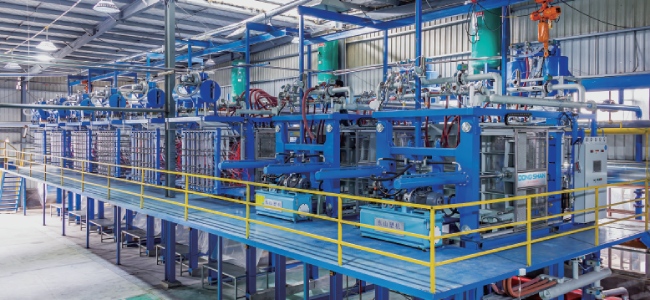
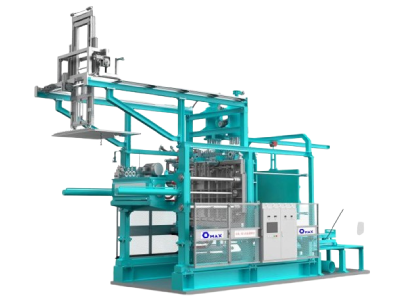
The moulding process relies on high-quality EPS shape moulding machines equipped with aluminium mould tools. These tools consist of male and female forms, which shape the EPS between them. The precision of these tools determines the final product's quality and consistency.
● Role of Steam in the Moulding Process
Steam plays a crucial role in the EPS moulding process. It is introduced through small vents in the mould tools, facilitating the expansion and coalescence of the polystyrene beads. The steam ensures uniform heating, which is essential for achieving the desired product properties.
EPS and Environmental Considerations
● Composition and Absence of Harmful Chemicals
EPS is a thermoplastic polymer based on styrene, a substance found naturally in products like strawberries and coffee beans. Importantly, EPS does not contain harmful chemicals like CFCs or HCFCs, which can damage the ozone layer.
● Impact on the Ozone Layer and Decomposition Process
The hydrocarbon blowing agent used in EPS production decomposes readily in the atmosphere, ensuring that EPS has no adverse impact on the ozone layer. This environmentally friendly characteristic makes EPS a sustainable choice for various applications.
The Role of the BPF EPS Packaging Group
● Objectives and Mission
The Expanded Polystyrene (EPS) Packaging Group, part of the British Plastics Federation, represents over 85% of the EPS moulding industry in the UK. The group's primary objective is to raise awareness about the benefits of EPS packaging, including its protection, cost-effectiveness, and environmental performance.
● Efforts to Promote Recycling and Environmental Awareness
The BPF EPS Packaging Group actively promotes the recycling of used EPS packaging. Through newsletters, seminars, and awareness campaigns, the group encourages the adoption of existing recycling schemes. Their efforts contribute to a more sustainable future for the EPS moulding industry.
Conclusion and Future of EPS Moulding
● Recap of Benefits and Applications
EPS moulding offers numerous benefits, including durability, lightweight properties, thermal insulation, and environmental friendliness. Its applications range from protective packaging and food preservation to horticulture and safety equipment. As industries continue to prioritize sustainability, the use of EPS moulding is expected to grow.
● Potential Advancements and Sustainability Efforts
Future advancements in EPS moulding technology and machinery will further enhance the material's properties and applications. High-quality EPS shape moulding machines from reputable manufacturers will play a crucial role in this evolution. Continued efforts to promote recycling and environmental awareness will ensure that EPS remains a sustainable choice for various industries.
Dongshan EPS Machinery
Dongshan EPS Machinery
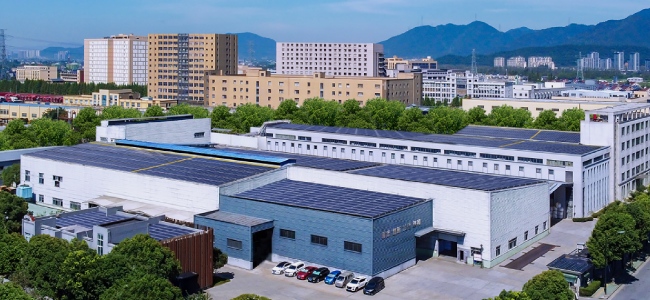
is a leading manufacturer of EPS shape moulding machines. With a commitment to quality and innovation, the company provides high-quality machinery that meets the diverse needs of the EPS moulding industry. Their state-of-the-art equipment ensures precision and efficiency in the moulding process, makingDongshan EPS Machinery
a trusted supplier for businesses worldwide.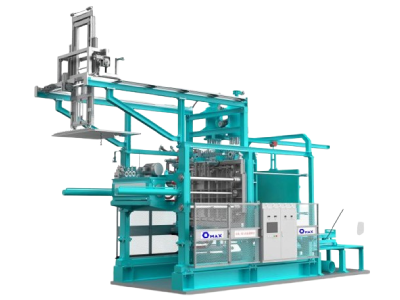

 Privacy settings