




Introduction to EPS Thermocol Making Machines
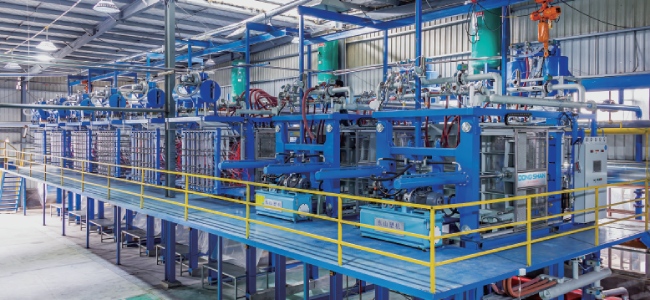
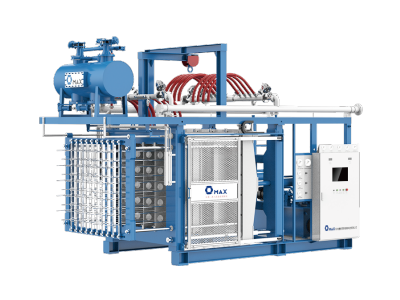
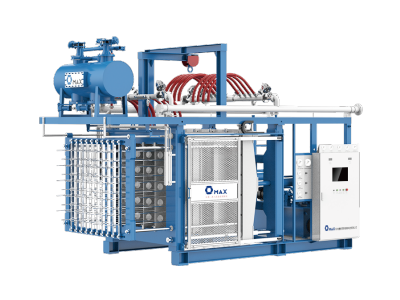
In the world of modern manufacturing, machines designed to produce Expanded Polystyrene (EPS) foam products stand out for their exceptional versatility and efficiency. Known widely as Thermocol, EPS products are renowned for their lightweight and insulating properties. At the heart of producing these beneficial materials is the EPS Thermocol Making Machine—a high-quality piece of equipment engineered to transform EPS beads into various foam shapes. From packaging materials to construction elements, these machines offer scalable solutions for diverse industrial applications. This article delves into the intricate workings of eps thermocol making machines, their key features, the processes they facilitate, and their importance across multiple sectors.
Understanding EPS and Thermocol
EPS, or Expanded Polystyrene, is a type of foam plastic composed mostly of air, making it exceptionally light and buoyant. EPS is distinct from other forms of foam due to its closed-cell structure, which provides excellent thermal insulation and shock absorption. The term "Thermocol" is commonly used in regions like India and refers to EPS foam products. Unlike other foam materials, EPS is both recyclable and non-toxic, making it a preferable option for environmentally-conscious manufacturers.
Key Features of EPS Thermocol Making Machines
● Advanced Heating Systems
A standout feature of any quality EPS Thermocol Making Machine is its advanced heating system. Utilizing either steam or electric heating methods, these systems precisely expand EPS beads to a uniform density and bubble structure. This precision in expanding beads is crucial for ensuring the consistency and quality of the final product.
● Automation and Precision Controls
Modern EPS Thermocol Making Machines are often equipped with PLC control panels and digital proportional valves. These components allow for meticulous regulation of temperature, pressure, and injection speed, ensuring each foam product meets exacting standards. Such automation improves not only precision but also the efficiency of the manufacturing process, minimizing manual intervention and reducing the potential for error.
The Manufacturing Process of EPS Products
● Pre-Expanding and Molding Stages
The production of EPS foam products using an EPS Thermocol Making Machine involves several critical stages. Initially, the EPS beads undergo a pre-expansion process, where they are exposed to heat, causing them to expand significantly. Following this, the expanded beads are transferred into molds where they take on the desired shape.
● Curing and Final Product Formation
Once the beads are molded, they must be cured to achieve structural integrity. This curing process allows the foam to gain the necessary strength and durability required for its intended application. The final products vary widely in shape and function, catering to a broad spectrum of industrial needs, from simple blocks to intricate packaging solutions.
Applications in Various Industries
● Packaging Solutions for Food and Electronics
One of the primary applications of EPS Thermocol products is in the packaging industry. Known for their lightweight and insulating properties, EPS products are ideal for packaging perishables in the food and beverage sector, maintaining temperature control during transit. Additionally, in the electronics industry, EPS foam is used to manufacture shock-absorbent packaging, protecting delicate items like televisions and computers from damage during shipping.
● Construction and Insulation Uses
EPS Thermocol products also play a pivotal role in the construction industry. They are used to produce insulation boards for walls, roofs, and floors, significantly improving the energy efficiency of buildings. Furthermore, EPS foam is utilized in the creation of lightweight concrete blocks, a sustainable solution that contributes to the reduction of building weight and the facilitation of easier handling during construction.
Benefits of Using EPS Thermocol Machines
● Cost-Effectiveness and Material Savings
EPS Thermocol Making Machines are designed to optimize production cycles, which helps reduce material waste and energy consumption. This efficiency translates into cost savings for manufacturers, making it a financially attractive option for both small-scale and large industrial operations.
● Environmental Impact and Recyclability
Another significant advantage of EPS products is their recyclability. Modern EPS Thermocol Making Machines incorporate systems that minimize industrial waste, aligning with global trends towards more sustainable manufacturing practices. The recyclability of EPS products not only lessens environmental impact but also opens up opportunities for closed-loop recycling within the industry.
Technological Advancements in Machine Design
● Innovations in Energy Efficiency
In recent years, EPS Thermocol Making Machines have seen significant technological advancements aimed at improving energy efficiency. Optimized pipeline designs and enhanced cooling systems are just a few examples of how manufacturers are reducing energy waste and shortening production cycle times, leading to greater overall efficiency.
● Developments in Mold Versatility
With the increasing demand for customized products, EPS machines have evolved to offer greater mold versatility. Manufacturers are able to create a wide array of shapes and sizes, catering to the specific needs of various industries. This ability to customize enhances the appeal of EPS products, making them suitable for an even broader range of applications.
Challenges and Solutions in EPS Manufacturing
● Addressing Environmental Concerns
While EPS products offer numerous benefits, the environmental concerns surrounding foam products cannot be overlooked. Manufacturers are continually working on innovative solutions to address these issues, such as developing biodegradable alternatives and enhancing the recyclability of EPS materials.
● Enhancing Production Efficiency
Achieving high levels of production efficiency remains a priority for EPS Thermocol Making Machine manufacturers. By incorporating advanced technology and automation into these machines, manufacturers are able to produce high volumes of consistent and high-quality EPS products in shorter time frames, addressing the needs of a fast-paced market.
Future Trends in EPS Thermocol Production
● Increasing Demand in Sustainable Construction
As the construction industry moves towards more sustainable practices, the demand for EPS Thermocol products is expected to grow. With their superior insulation properties and lightweight nature, EPS products offer an environmentally friendly alternative to traditional building materials, aligning with the global push towards sustainable development.
● Innovations in Product Customization
The future of EPS Thermocol production lies in the ability to customize products to meet specific industrial requirements. Innovations in machine technology are enabling manufacturers to produce highly specialized products that cater to niche markets, further broadening the scope of EPS applications.
Conclusion and Industry Impact
The EPS Thermocol Making Machine is a cornerstone of modern manufacturing, offering efficient, sustainable, and versatile solutions across various industries. With its ability to produce high-quality foam products while minimizing environmental impact, it remains an invaluable asset for businesses seeking innovation and cost-effectiveness. As the demand for lightweight, insulating materials continues to grow, EPS machines will play a pivotal role in the future of packaging, construction, and beyond, shaping a more sustainable industrial landscape.
● Introduction to Dongshan EPS Machinery
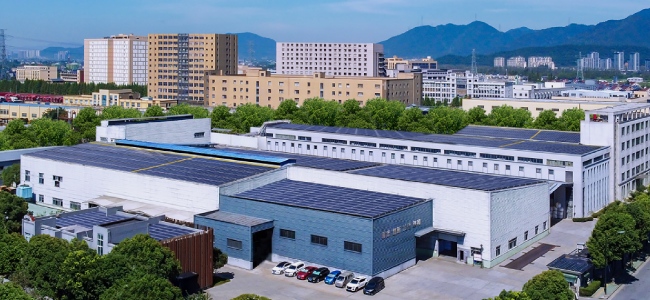
Hangzhou Fuyang Dongshan Plastic Machinery Co., Ltd. has specialized in manufacturing EPS, EPP foam plastics machines for nearly 20 years, integrating independent R&D, manufacture, sales, and service. Located in Hangzhou, a rapidly developing district in China, it is close to major ports such as Shanghai and Ningbo, facilitating convenient transportation and shipping for exports. Since 2007, Dongshan EPS machinery has achieved CE certification from the UK and ISO9001-2008 quality management system certification, establishing itself as a high-tech enterprise and a "Level A of honesty and trustworthiness" honoree. Known for the "Dongshan" trademark, it is a well-recognized brand globally, with numerous patents supporting its innovative product line. Dongshan Company remains committed to quality and technical innovation, exporting to over fifty countries worldwide.

 Privacy settings