




In the realm of manufacturing, the art of moulding has constantly evolved, adapting to both technological advancements and varying industrial demands. From the precision of hand moulding to the mass production capabilities of mechanical solutions, understanding these techniques offers valuable insights into the manufacturing world. This exploration will delve into both methods, highlighting key factors such as quality, cost, and the role of innovations like the thermocol moulding machine in modern production processes.
● 1. Introduction to Moulding Techniques
●Overview of Hand and Mechanical Moulding
Moulding, the process of shaping raw materials like metal, plastic, or foam into desired forms, has its roots in ancient craftsmanship. Traditionally, hand moulding was the initial step, offering artisans the flexibility to craft intricate designs. However, with industrialization, mechanical moulding emerged, dramatically increasing production capabilities and efficiency.
● Historical Context and Evolution of Moulding
From early bronze casting to today's high-tech manufacturing landscapes, moulding has been pivotal. The shift from manual to automated processes marks a significant evolution, driven by demands for higher efficiency, consistency, and scalability. This progression also includes innovations such as the thermocol moulding machine, which cater to specific market needs.
● 2. Hand Moulding Process Explained
● Step-by-step Manual Moulding Process
Hand moulding involves creating a cavity in a moulding sand or clay, where liquid metal or other materials are poured to form a shape. This meticulous process requires precision at every stage, from preparing the mould to carefully extracting the cast product.
● Tools and Materials Used in Hand Moulding
A variety of tools are utilized, including hand tools like trowels and tampers, and materials such as moulding sand, binders, and release agents. The choice of these elements can significantly affect the quality and detail of the final product.
● 3. Advantages of Hand Moulding
● Flexibility and Customization
Hand moulding excels in creating highly customized and intricate designs. Products that require a unique touch or possess complex geometries often benefit from the flexibility offered by this manual technique.
● Suitability for Complex Designs and Large Castings
For complex and large-scale castings, hand moulding allows for detailed craftsmanship that machines may struggle to replicate. This method is particularly beneficial in producing art pieces or specialized industrial components.
● 4. Challenges of Hand Moulding
● Inconsistency and Manual Errors
Despite its advantages, hand moulding is prone to human errors, leading to inconsistencies in the final product. Maintaining uniformity across multiple cast items can be challenging, impacting the overall quality.
● Time and Labor Intensity Compared to Mechanical
The manual nature of hand moulding results in a labor-intensive process, requiring skilled artisans and significant time investment, which can be a drawback when compared to faster mechanical alternatives.
● 5. Mechanical Moulding Process Overview
● Key Steps in Mechanical Moulding
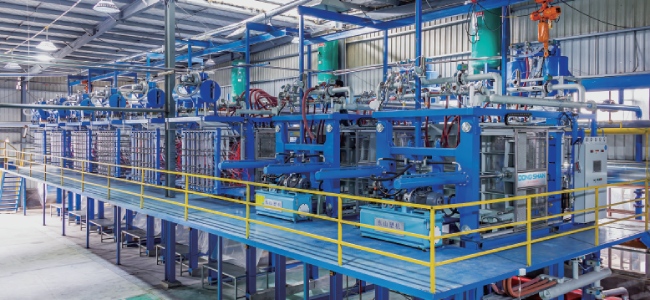
Mechanical moulding automates the mould creation and material pouring processes, using equipment like thermocol moulding machines. This method involves a series of automated steps that ensure precision and consistency across large production runs.
● Technology and Machinery Involved in the Process
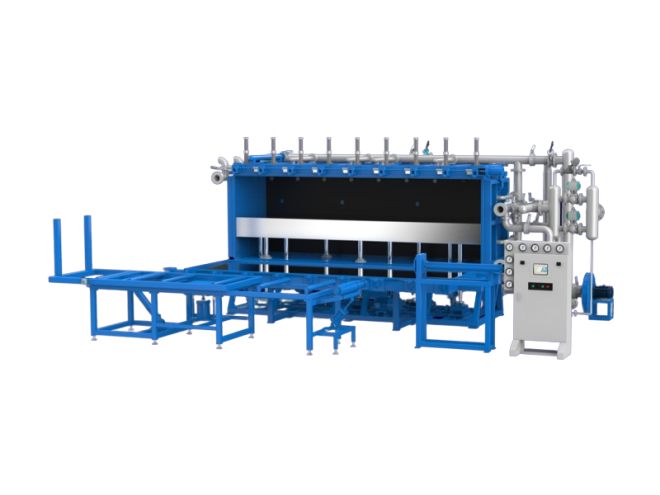
The introduction of high-quality thermocol moulding machines has revolutionized foam and plastic moulding. With advancements in automation technology, these machines offer precise control over parameters like temperature and pressure, enhancing the quality and durability of the final product.
● 6. Benefits of Mechanical Moulding
● Consistency of Output
One of the primary benefits of mechanical moulding is its ability to produce consistent and precise outputs. Machines eliminate the variability inherent in manual processes, ensuring uniformity across large batches of products.
● Efficiency in Mass Production
With the best thermocol moulding machines, manufacturers can achieve high throughput rates, significantly reducing production times and costs. This efficiency is crucial for industries that rely on large-scale production to meet market demands.
● 7. Limitations of Mechanical Moulding
● Initial Setup Costs and Investment
The transition to mechanical moulding requires substantial initial investment in machinery and infrastructure. Costs associated with acquiring, installing, and maintaining equipment like thermocol moulding machines can be significant, particularly for small businesses.
● Limitations on Size and Design Complexity
While mechanical moulding offers precision, it may not always match the flexibility of hand moulding when it comes to highly intricate designs or very large-scale products. Custom adaptations in machinery design may be necessary to overcome these limitations.
● 8. Quality Comparison: Hand vs. Mechanical Moulding
● Assessing Quality Control Measures
Both hand and mechanical moulding have their own set of quality control measures. Manual methods rely on artisan skill, while mechanical methods incorporate technology-driven checks to monitor product consistency and quality.
● Analyzing Variability and Precision in Both Methods
Mechanical moulding generally surpasses hand moulding in precision, due to its systematic processes and automated checks. However, hand moulding may excel in creating unique, artisanal pieces where variability is a desirable trait.
● 9. Cost Implications of Moulding Methods
● Comparing Cost-effectiveness of Each Method
In terms of cost-effectiveness, mechanical moulding is typically more advantageous for large-scale production, thanks to its automation capabilities. On the other hand, hand moulding may be more economically viable for small batch production and bespoke items.
● Economic Considerations for Different Production Scales
Companies must consider production volume, design complexity, and budget when choosing between hand and mechanical moulding. While high-quality thermocol moulding machines provide a significant return on investment for mass production, hand moulding remains relevant for niche markets.
● 10. Future Trends in Moulding Technologies
● Innovations in Automation and AI Integration
The future of moulding lies in further automation and the integration of AI technologies. These innovations promise to enhance precision, reduce waste, and increase efficiency across both hand and mechanical moulding processes.
● Potential Shifts in Industry Standards and Practices
As technology evolves, industry standards and practices in moulding are likely to shift. Companies must stay abreast of these changes, adopting new technologies like thermocol moulding machines to remain competitive.
● Conclusion: The Role of Thermocol Moulding Machines
Thermocol moulding machines stand at the forefront of modern manufacturing, offering enhanced capabilities for foam and plastic moulding. With the support of reliable thermocol moulding machine manufacturers, factories, and suppliers, industries can leverage these machines to optimize production processes and meet diverse consumer demands.
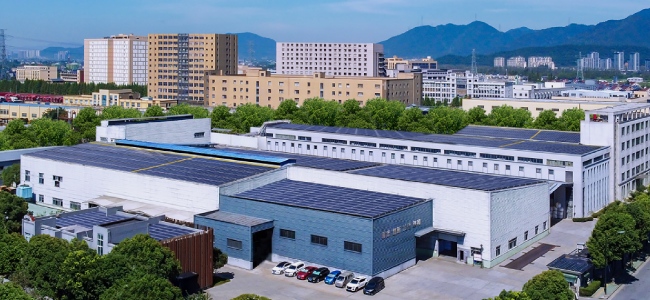
Hangzhou Fuyang Dongshan Plastic Machinery Co., Ltd. : For nearly two decades, Dongshan EPS Machinery has been a leader in the manufacture and innovation of EPS, EPP foam plastics machinery. Strategically located near key ports in China's vibrant economic regions, Dongshan excels in delivering high-quality moulding solutions worldwide. With a focus on quality and innovation, Dongshan's commitment to excellence is reflected in its numerous patents and industry accolades, making it a trusted partner in the global market.


 Privacy settings