




Introduction to Thermocol and EPS
In the world of foam materials, there are two terms—Thermocol and EPS—that often cause confusion. Both are widely used in various industries, but they are not exactly the same. Understanding the differences between Thermocol and EPS can help consumers and businesses make better choices for their specific needs. This article dives deep into the characteristics, applications, and nuances that distinguish these two materials.
● Definition of Thermocol
Thermocol is a brand name that has become synonymous with Expanded Polystyrene (EPS) in many regions, especially in India. Essentially, Thermocol refers to a type of foam made from polystyrene, which is expanded into a lightweight, rigid material. The process involves impregnating polystyrene beads with a blowing agent, usually pentane, and then heating them to expand the beads. Thermocol is primarily used for packaging, insulation, and craft applications due to its lightweight and excellent insulating properties.
● Definition of EPS
Expanded Polystyrene (EPS) is a generic term for a type of foam made from the polymer polystyrene, which is expanded into tiny beads that are fused together. EPS is known for its versatility, strength, and insulation properties. It is widely used in packaging, construction, and various other industries. While Thermocol can be considered a type of EPS, the term "EPS" encompasses a broader range of materials and applications.
● Common Uses
Both Thermocol and EPS are extensively used in packaging, construction, and insulation. They serve as cushioning for fragile items, insulation material in buildings, and are even employed in the art and craft industry for various creative projects. Their lightweight yet durable nature makes them ideal for these applications, but the specific properties and uses can vary based on the manufacturing process and quality of the material.
Manufacturing Process
● Raw Materials Used
The primary raw material for both Thermocol and EPS is polystyrene, a synthetic aromatic hydrocarbon polymer made from the monomer styrene. This polymer is combined with various blowing agents and additives to create the final foam products. While the base material remains the same, the choice of blowing agents and additives can vary, affecting the properties of the final product.
● Production Techniques
The production techniques for Thermocol and EPS are generally similar but can vary based on the desired properties of the final product. The process involves impregnating polystyrene beads with a blowing agent, heating them to expand the beads, and then fusing them together into larger blocks or specific shapes. The key difference lies in the quality control and specific production methods employed.
● Environmental Impact of Production
The production of both Thermocol and EPS involves the use of chemicals and energy, which can have environmental impacts. The choice of blowing agents, in particular, can affect the environmental footprint. Historically, CFCs were used, but these have been largely phased out due to their impact on the ozone layer. Modern production methods use more environmentally friendly blowing agents, but the production process still generates waste and emissions.
Physical Properties
● Density Comparison
One of the primary differences between Thermocol and EPS lies in their density. Thermocol typically has a lower density, making it lighter and less durable. EPS, on the other hand, can be produced in a range of densities, from very light to quite dense, allowing for greater versatility in its applications. Higher density EPS is often used in construction and other applications where strength and durability are critical.
● Structural Integrity
The structural integrity of EPS tends to be higher than that of Thermocol, especially at higher densities. This makes EPS more suitable for applications requiring greater strength and durability, such as building insulation and protective packaging for heavy items. Thermocol, with its lower density, is more prone to crumbling and breaking under pressure, limiting its use in certain applications.
● Thermal Insulation Properties
Both Thermocol and EPS are excellent insulators, but there can be differences in their thermal insulation properties based on their density and manufacturing process. Higher density EPS generally offers better thermal insulation than lower density Thermocol. This makes EPS a preferred choice for applications requiring superior thermal insulation, such as in the construction of energy-efficient buildings.
Applications in Various Industries
● Packaging Solutions
Thermocol and EPS are both widely used in the packaging industry due to their lightweight and cushioning properties. Thermocol is commonly used for packaging lightweight, fragile items, such as electronics and glassware. EPS, with its higher density options, is used for packaging heavier items, providing better protection during shipping and handling.
● Construction Materials
In the construction industry, EPS is preferred over Thermocol due to its superior strength, durability, and thermal insulation properties. EPS is used in building insulation, lightweight concrete, and other construction applications where these properties are critical. Thermocol, with its lower density, is less commonly used in construction but can be employed in certain applications where its lightweight nature is beneficial.
● Household Products
Both Thermocol and EPS find use in various household products, from craft supplies to insulation for hot water tanks. Thermocol is popular in the craft industry due to its ease of cutting and shaping, while EPS is used in more practical applications, such as in the insulation of appliances and as a core material in some types of furniture.
Cost and Affordability
● Price Differences
The cost of Thermocol and EPS can vary widely based on their density, quality, and market conditions. Generally, Thermocol is cheaper than high-density EPS due to its lower material and production costs. However, the choice between the two should not be based solely on cost but on the specific requirements of the application.
● Cost-Effectiveness for Various Uses
When considering cost-effectiveness, it's essential to factor in not just the material cost but also its performance and durability. While Thermocol may be cheaper, it may not be as cost-effective in applications requiring higher strength and durability, where EPS would be a better investment. Conversely, for lightweight applications where these properties are less critical, Thermocol may offer better value for money.
● Influence on Consumer Choice
The choice between Thermocol and EPS often comes down to a balance between cost and performance. Consumers looking for a cost-effective solution for lightweight applications may opt for Thermocol, while those needing higher strength and durability will likely choose EPS. The availability of different densities and qualities of EPS also provides consumers with more options to meet their specific needs.
Environmental Impact and Sustainability
● Biodegradability Issues
One of the significant concerns with both Thermocol and EPS is their lack of biodegradability. Both materials can persist in the environment for many years, contributing to pollution and waste management challenges. Efforts are ongoing to develop more biodegradable alternatives, but as of now, both materials present similar environmental challenges.
● Recycling Practices
Recycling is a critical component of managing the environmental impact of Thermocol and EPS. Both materials can be recycled, but the process can be complex and costly. Many recycling programs focus on collecting and processing EPS due to its higher value and more extensive use in various industries. Thermocol recycling is less common but still possible, often involving the same processes used for EPS.
● Eco-Friendly Alternatives
As environmental concerns grow, there is increasing interest in eco-friendly alternatives to Thermocol and EPS. Materials such as biodegradable foams and recycled content products are being developed and adopted in various industries. While these alternatives may not yet match the performance and cost-effectiveness of traditional foams, they represent a crucial step towards more sustainable solutions.
Health and Safety Concerns
● Toxicity Levels
Both Thermocol and EPS are generally considered safe for use in their final form, but there are concerns about the chemicals used in their production and disposal. The blowing agents and additives used in manufacturing can be toxic, and improper disposal can release harmful substances into the environment. Proper handling and disposal are essential to minimize these risks.
● Fire Hazards
Both Thermocol and EPS are flammable and can pose fire hazards if not properly managed. EPS, especially at higher densities, may offer better fire resistance due to the additives used in its production. Fire retardant versions of both materials are available and are often required in construction and other applications where fire safety is critical.
● Regulations and Safety Standards
Various regulations and safety standards govern the use of Thermocol and EPS, focusing on aspects such as flammability, toxicity, and environmental impact. Compliance with these standards is essential for manufacturers and users to ensure the safety and sustainability of these materials. Consumers should look for products that meet these standards to ensure they are making a safe and responsible choice.
Durability and Lifespan
● Resistance to Wear and Tear
EPS, particularly at higher densities, tends to be more resistant to wear and tear compared to Thermocol. This makes EPS a more durable choice for applications requiring long-lasting performance, such as in construction and heavy-duty packaging. Thermocol, with its lower density, is more prone to breaking and crumbling, limiting its lifespan in certain applications.
● Longevity in Various Conditions
The longevity of Thermocol and EPS can vary based on their density, quality, and the conditions in which they are used. EPS generally offers better performance in harsh conditions, such as exposure to moisture and temperature fluctuations. This makes it a preferred choice for outdoor and high-stress applications. Thermocol may degrade more quickly under these conditions, limiting its use in such environments.
● Maintenance Requirements
Both Thermocol and EPS require minimal maintenance in their typical applications. However, the higher durability and strength of EPS mean that it may require less frequent replacement and repairs compared to Thermocol. This can translate into lower long-term maintenance costs, particularly in demanding applications such as construction and industrial packaging.
Market Availability and Popularity
● Geographic Distribution
The availability of Thermocol and EPS can vary widely based on geographic regions. In some areas, Thermocol is more commonly used and readily available, while EPS is more prevalent in others. This can influence consumer choice and market trends, as businesses and individuals often opt for the material that is more easily accessible.
● Demand Trends
The demand for Thermocol and EPS is influenced by various factors, including market trends, consumer preferences, and regulatory changes. In recent years, there has been a growing focus on sustainability and environmental impact, driving interest in alternatives and more eco-friendly options. However, both materials continue to be in high demand due to their versatility and performance.
● Brands and Manufacturers
Numerous brands and manufacturers produce Thermocol and EPS, each offering various qualities and specifications to meet different needs. Companies specializing in high-quality eps thermocol making machines, such as Dongshan EPS Machinery, play a crucial role in producing reliable and high-performing products. Consumers should consider the reputation and quality standards of the manufacturer when choosing Thermocol or EPS products.
Future Prospects and Innovations
● Emerging Technologies
The future of Thermocol and EPS is likely to be shaped by emerging technologies and innovations. Advances in production techniques, materials science, and recycling methods are expected to enhance the performance and sustainability of these materials. Innovations such as biodegradable foams and more efficient recycling processes are already making waves in the industry.
● Potential Improvements
There is significant potential for improving the properties and performance of Thermocol and EPS. Research and development efforts are focused on enhancing their strength, durability, and insulation properties while reducing their environmental impact. These improvements could expand the applications and appeal of these materials, making them more versatile and sustainable.
● Predictions for Market Growth
The market for Thermocol and EPS is expected to continue growing, driven by demand in various industries such as packaging, construction, and consumer goods. While environmental concerns and regulatory changes may influence market dynamics, the versatility and performance of these materials ensure their continued relevance. Companies specializing in eps thermocol making machines, such as Dongshan EPS Machinery, are well-positioned to capitalize on these growth opportunities.
Dongshan EPS Machinery: Leading the Way in EPS and Thermocol Production
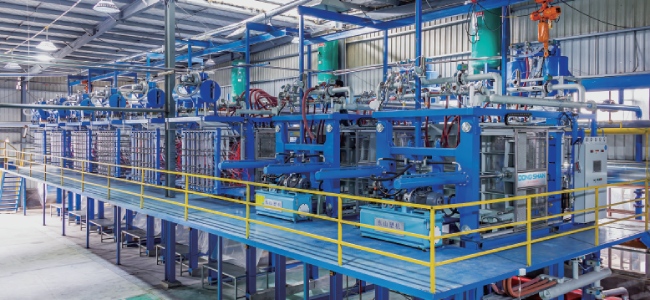
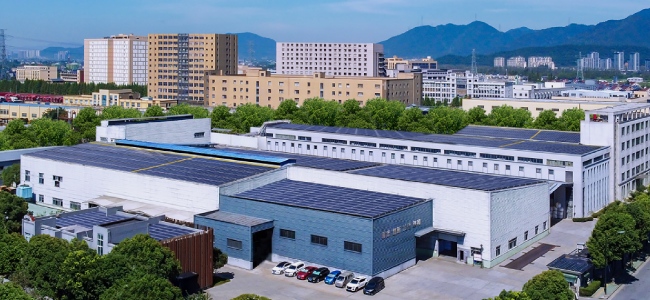
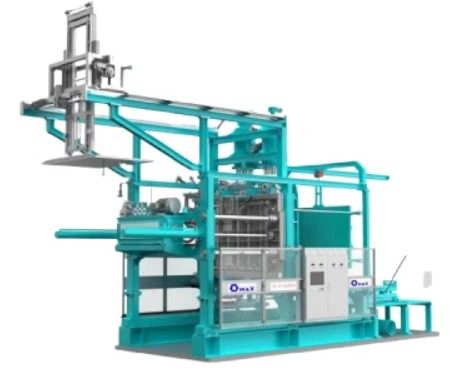
Hangzhou Fuyang Dongshan Plastic Machinery Co., Ltd. has specialized in manufacturing EPS and EPP foam plastics machines for nearly 20 years, integrating independent R&D, manufacturing, sales, and service. Based in Hangzhou, China, the company benefits from its strategic location near major ports such as Shanghai and Ningbo. Since 2007, Dongshan EPS Machinery has achieved CE certification and ISO9001-2008 quality management system certification. Recognized as a high-tech enterprise, the company holds numerous patents and has received several prestigious awards. Dongshan focuses on product quality and technical innovation, offering a wide range of high-quality EPS machinery, including Auto Block Moulding Machines, Auto Pre-Expander Machines, and more. Their products are exported to over fifty countries, earning a strong reputation in the industry.

 Privacy settings