




Introduction to EPS Block Molding
● Overview of EPS Material
EPS (Expanded Polystyrene) foam, widely recognized as Styrofoam, is utilized across various industries due to its remarkable insulation properties and lightweight nature. Composed of individual polystyrene beads expanded through a steam heating process, EPS foam features a rigid cellular structure that provides excellent thermal insulation and buoyancy.
● Importance in Manufacturing
The significance of EPS foam in manufacturing cannot be overstated. Its adaptability allows for the production of intricate designs and shapes, making it indispensable for applications that demand precision and quality. Whether it's for protective packaging or architectural elements, EPS block molding presents a versatile solution that caters to a wide range of needs.
Understanding EPS Foam Characteristics
● Composition of EPS Foam
EPS foam is the result of expanding polystyrene beads. These beads contain pentane gas, which acts as a blowing agent. When heated with steam, the beads expand up to 40 times their original size, creating a closed-cell structure that traps air. This structure is what grants EPS its lightweight and insulating properties.
● Properties such as Insulation and Lightweight Nature
EPS foam's closed-cell structure makes it an excellent insulator, both thermally and acoustically. Its lightweight nature makes it easy to handle and reduce transportation costs. Furthermore, EPS foam is moisture-resistant and durable, ensuring long-lasting performance in various applications.
Key Components of the EPS Molding Process
● Overview of Machinery Used
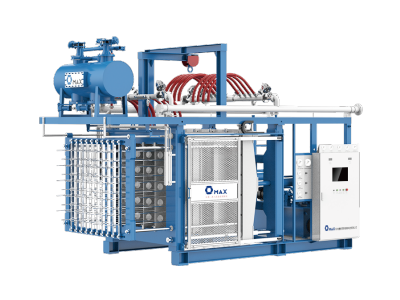
EPS block molding involves several critical machines that work in sync to create the final product. These include the pre-expander, block molder, and shape molding machine. Understanding each machine's role is essential for optimizing the production process.
● Specific Roles of Each Machine Component
Each component in the EPS molding process plays a specific role. The pre-expander prepares the polystyrene beads, the block molder shapes these beads into large blocks, and the shape molding machine refines these blocks into the desired shapes. High-quality EPS molding machines from reputable EPS molding machine manufacturers ensure precision and efficiency at every step.
Role of the Pre-expander in EPS Molding
● Function of the Pre-expander
The pre-expander is the initial stage in the EPS molding process. It is designed to expand polystyrene beads by injecting them with steam. This process increases their volume and reduces their density, creating a lightweight foam that is ready for further molding.
● Initial Expansion of Polystyrene Beads
During the expansion, the beads are heated, causing the pentane gas inside to expand. This process can be controlled to achieve the desired density and bead size, which are crucial for the quality of the final product. The expanded beads are then dried and conditioned to stabilize their size and shape.
The Process of Block Molding
● Formation of Large EPS Blocks
Once the polystyrene beads are pre-expanded, they are molded into large blocks. The block molder takes the expanded beads and compresses them into a mold using heat and pressure. This step combines the beads into a single, solid block of EPS foam.
● Application of Heat and Pressure
The block molding process involves precise temperature and pressure control to ensure uniform density and structural integrity. The molds are usually heated with steam, which causes the beads to expand further and fuse together. High-quality EPS molding machines from trusted EPS molding machine factories ensure consistent results and high-quality blocks.
Shape Molding Machine Operations
● Loading, Heating, and Shaping
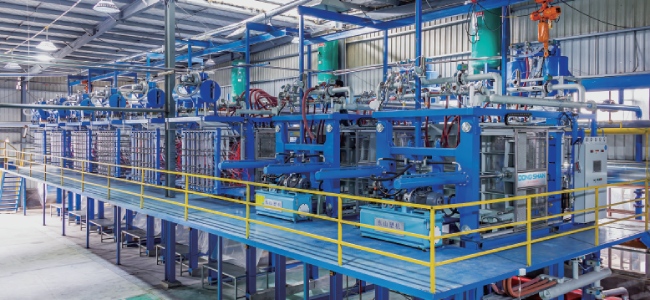
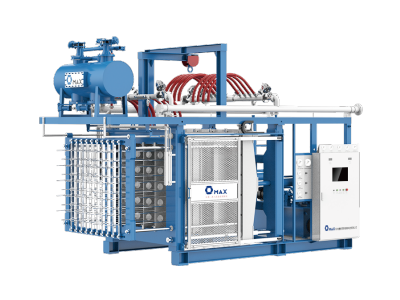
The shape molding machine is at the heart of the EPS block molding process. It begins by loading the pre-molded foam blocks into the machine. A conveyor system is often used to transport the blocks to the mold, ensuring an automated and efficient workflow.
● Step-by-Step Breakdown
1. Loading the Mold: The pre-molded foam blocks are loaded into the shape molding machine using a conveyor system.
2. Steam and Heat Application: Once the mold is closed, steam is injected to heat the foam. The heat softens the EPS foam, allowing it to expand and fill the mold cavities completely.
3. Cooling and Solidification: Cold air or water is circulated through the mold to rapidly cool and solidify the foam, ensuring dimensional stability.
4. Mold Opening and Product Removal: The mold is opened, and the shaped foam product is ejected using either mechanical or pneumatic systems.
● Cooling and Solidification Stages
● Importance of Cooling
Cooling is a crucial step in the EPS molding process. Once the foam has expanded to fill the mold, it must be rapidly cooled to set its shape. This ensures that the product maintains its dimensions and structural integrity.
● Methods Used for Rapid Solidification
Common cooling methods include circulating cold air or water through the mold. This rapid cooling accelerates the production cycle and enhances product stability. High-quality EPS molding machines from reputable EPS molding machine suppliers are designed to optimize this process, resulting in efficient and reliable production.
Ejecting and Handling the Final Product
● Product Removal from the Mold
After cooling, the mold is opened, and the final product is ejected. Mechanical or pneumatic systems are typically used to remove the molded foam, ensuring minimal damage and maintaining the integrity of the product.
● Preparation for the Next Production Stage
Once ejected, the molded EPS products are conveyed to the next stage of the manufacturing process. This could involve additional shaping, cutting, or assembly, depending on the final application. Efficient handling and preparation are essential to maintain the product's quality and ensure seamless integration into subsequent production stages.
Advantages of EPS Shape Molding
● Design Flexibility and Efficiency
EPS shape molding offers unparalleled design flexibility. The process allows for the creation of intricate shapes and forms that would be difficult or costly to achieve with other manufacturing methods. This versatility enables designers and engineers to bring their creative visions to life with precision and efficiency.
● Cost-Effectiveness and Eco-Friendliness
EPS shape molding is a cost-effective solution due to its ability to produce large volumes of foam products quickly. The automated process reduces labor and energy costs, resulting in competitive pricing for end products. Additionally, EPS foam is 100% recyclable and environmentally friendly, making it a sustainable choice for various applications.
Future Prospects and Applications of EPS Molding
● Emerging Trends in the Industry
The future of EPS molding looks promising, with ongoing innovations and advancements in technology. Emerging trends include the development of more energy-efficient machines, improved recycling techniques, and the integration of smart manufacturing systems.
● Potential New Applications and Innovations
As industries continue to evolve, new applications for EPS molding are likely to emerge. From advanced construction materials to innovative packaging solutions, the versatility of EPS foam and the capabilities of high-quality EPS molding machines will undoubtedly play a crucial role in meeting the complex manufacturing needs of the future.
Conclusion
In summary, EPS block molding is a transformative process that offers numerous advantages in terms of design flexibility, cost-effectiveness, and environmental sustainability. By understanding the detailed steps involved, from pre-expansion to final product handling, manufacturers can leverage the full potential of EPS foam and high-quality EPS molding machines. As technology advances, the prospects for EPS molding continue to expand, promising a bright future for its applications across various industries.
● About Dongshan EPS Machinery
Dongshan EPS Machinery is a leading manufacturer of high-quality EPS molding machines. With a commitment to innovation and excellence, Dongshan EPS Machinery provides reliable and efficient solutions to meet the diverse needs of its clients. From pre-expanders to shape molding machines, Dongshan EPS Machinery ensures top-notch performance and precision in every product.

 Privacy settings