





Your EPS pre expander machine hunt probably feels like speed‑dating with industrial robots: lots of specs, zero chemistry, and everyone promises “high efficiency” like it’s a personality trait.
Relax. The 2026 Global Market Outlook for EPS Pre Expander Machines simplifies choices with clear trends, pricing signals, and capacity benchmarks, so you can match real needs to real machines—backed by data from the OECD industrial market reports.
📈 Key Macroeconomic Drivers Shaping 2026 EPS Pre Expander Demand
The 2026 global market outlook for EPS pre expander machines remains positive, supported by steady construction growth, packaging upgrades, and improved industrial automation across both mature and emerging economies.
Producers that adopt modern, energy‑efficient systems can better match flexible orders, meet stricter standards, and protect margins in a more competitive EPS processing landscape.
1. Construction Recovery and Insulation Demand
Rising building and renovation projects drive EPS insulation boards for walls, roofs, and cold storage, lifting pre expander capacity needs worldwide.
- Energy codes in Europe and North America encourage high‑performance EPS insulation.
- Asia-Pacific focuses on affordable housing with lightweight EPS panels.
- Infrastructure projects require stable density and large batch volumes.
2. E‑Commerce Packaging Growth
Online retail expands demand for protective EPS packaging, especially in electronics, appliances, and fragile goods, requiring precise bulk density control and repeatable output.
- Shorter delivery cycles push factories to run faster batch lines.
- Brand owners want lighter but safer cushioning solutions.
- Consistent pre‑expansion reduces scrap and return rates.
3. Automotive and Cold Chain Expansion
Automotive parts packaging and cold chain boxes for food and pharma increase the need for high‑quality EPS beads with narrow density tolerance.
| Segment | Key Need |
|---|---|
| Automotive | Impact resistance and accurate molding |
| Cold Chain | Stable thermal insulation and low water absorption |
4. Policy, Energy Prices, and Automation Push
Volatile energy prices and stricter labor and safety rules support investment in automated, low‑steam, low‑labor EPS pre expander solutions.
- Factories replace old manual lines with automatic batch units.
- Data tracking supports audits and customer reports.
- Efficient machines cut steam, air, and water costs.
🏭 Technological Upgrades Improving EPS Pre Expander Efficiency and Output Quality
By 2026, machine builders focus on intelligent controls, stable density, and fast cycles that cut steam use while keeping EPS bead quality consistent.
Advanced systems help processors serve high‑mix orders, reduce downtime, and reach demanding customers in insulation, packaging, and component molding.
1. Intelligent Control and Automation
Modern controllers adjust steam, air, and fill levels in real time, giving accurate density and smooth expansion curves for different EPS grades.
- Recipe storage improves repeatability between shifts.
- Remote monitoring supports quick service and tuning.
- Alarms reduce operator mistakes and material loss.
2. Faster Cycle Times and Higher Output
Pre expanders with optimized chambers and feeding systems complete more batches per hour, helping factories handle rush orders without adding extra lines.
- Improved material flow reduces bridging and stops.
- Better drying and fluid bed design shorten cure times.
- High‑capacity units support large insulation and packaging plants.
3. Data Visualization: Efficiency Gains Toward 2026
Factories increasingly track energy and cycle metrics to support lean production and justify upgrades from older pre expanders.
4. Precision Density and Bead Quality Control
Better pressure and temperature control offers tight density windows, which are vital for high‑grade panels and molded packaging.
| Feature | Benefit |
|---|---|
| Stable steam control | Uniform cell structure |
| Accurate weighing | Reduced density variation |
| Gentle agitation | Lower bead breakage |
🌍 Regional Growth Hotspots in the 2026 EPS Pre Expander Market
Global demand is uneven, with strong momentum in Asia-Pacific and selective replacement and upgrade cycles in Europe, the Middle East, and the Americas.
1. Asia-Pacific: Capacity Expansion and Upgrading
China, India, and Southeast Asia keep adding insulation, packaging, and appliance capacity, favoring automated, high‑throughput pre expanders.
- New plants require large batch and continuous systems.
- Existing lines move toward intelligent controls and data logging.
2. Europe and North America: Quality and Compliance
These regions focus on energy‑efficient, traceable production, pushing processors to replace old steam‑heavy equipment with modern solutions.
| Driver | Impact |
|---|---|
| Strict insulation rules | Higher quality board and bead standards |
| Labor cost | Automation and remote support demand |
3. Middle East, Africa, and Latin America: Emerging Demand
Urbanization and cold chain growth support new EPS plants, with buyers seeking durable, easy‑to‑operate pre expanders that handle mixed product ranges.
- Need for robust, low‑maintenance designs.
- Training and after‑sales service are key selection factors.
♻️ Sustainability Trends and Energy-Saving Innovations in EPS Pre Expander Operations
Environmental rules and higher energy prices push EPS processors to lower steam, power, and water use while keeping high output and consistent quality.
1. Reduced Steam and Power Consumption
Modern machines use better insulation, optimized valves, and smart recipes to cut steam per cubic meter of EPS output.
- Lower fuel bills improve payback times.
- Less heat loss improves workplace comfort.
2. Better Use of Raw Materials and Scrap
Precise control lowers bead breakage and rejects, helping plants use raw beads and regrind more efficiently.
| Measure | Result |
|---|---|
| Stable density | Fewer molding defects |
| Optimized curing | Less cracking and warping |
3. Compliance with Green Building and ESG Goals
Builders and brands ask suppliers to show lower footprints; efficient pre expanders support life‑cycle and ESG reporting.
- Energy data can feed sustainability reports.
- Clean, safe operation supports audits and certifications.
🔧 Why Dongshan Plastic Machinery Leads 2026 EPS Pre Expander Equipment Choices
Dongshan Plastic Machinery offers a broad range of EPS pre expanders that match global needs for capacity, precision, energy savings, and smart control.
1. High-Capacity Solutions for Large Plants
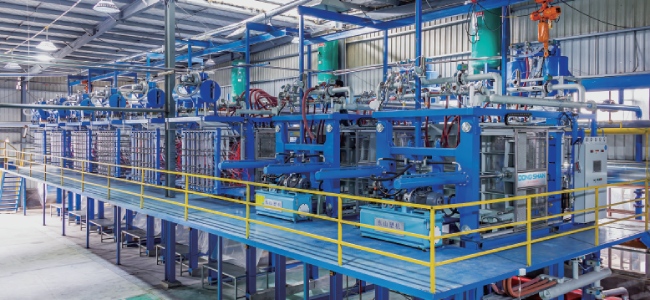
The High-Capacity Automatic Batch 1500 EPS Pre-expanding Machine for Fast-Cycle Industrial Manufacturing supports big insulation and packaging factories needing reliable, fast cycles.
- Handles large batch volumes with stable density.
- Short cycles improve overall plant throughput.
2. Intelligent Automation and Stable Quality
The Intelligent EPS Automatic Batch Pre-Expander uses smart control to keep density stable, reduce steam, and simplify operation for multi‑shift teams.
| Capability | Value |
|---|---|
| Recipe memory | Quick grade changeover |
| Real‑time alarms | Less downtime and waste |
3. Advanced Machines for Tight-Tolerance Applications
The EPS advanced type automatic pre-expander targets demanding users who need very accurate density and bead structure for premium EPS products.
- Ideal for high‑grade insulation and complex molding.
- Supports consistent output across long production runs.
Conclusion
The 2026 global market for EPS pre expander machines favors producers that invest in efficient, automated, and precise systems aligned with insulation, packaging, and cold chain growth.
Dongshan Plastic Machinery’s high‑capacity, intelligent, and advanced models allow EPS processors to raise output, cut energy, and meet stricter quality and sustainability targets.
Frequently Asked Questions about pre expander
1. What does an EPS pre expander do?
An EPS pre expander heats raw EPS beads with steam so they expand to a set density. This pre‑foamed material then cures and is molded into final products.
2. How do I choose the right pre expander capacity?
Estimate your yearly EPS demand, batch sizes, and product mix. Consider peak season needs, future growth, and space, then select a machine that can handle peak loads comfortably.
3. Why is density control so important?
Density affects strength, insulation, weight, and cost. Tight density control improves molding quality, reduces scrap, and helps meet building and packaging standards reliably.
4. How can a new pre expander save energy?
Modern machines cut steam and power use through better insulation, optimized steam valves, and smart control that avoids overheating or over‑expansion of beads.
5. How often should EPS pre expanders be maintained?
Basic checks should occur daily, with deeper cleaning and inspection scheduled monthly or quarterly. Following the maker’s maintenance plan helps keep stable density and uptime.

 Privacy settings