

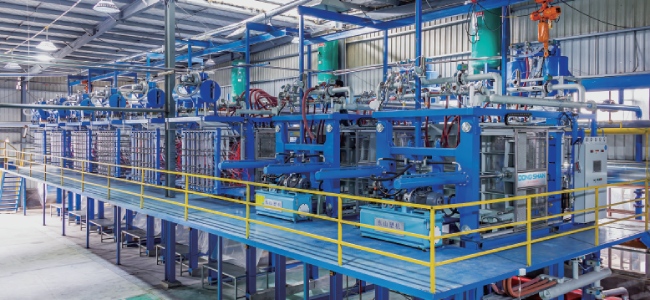



Your EPS pre expander keeps guzzling energy like a teenager raiding the fridge, and every utility bill feels like a jump scare. You tweak settings, squint at gauges, and still wonder where all that power (and money) disappears.
Smart insulation, better steam control, and regular maintenance tame those energy costs fast. Use data to track performance and follow proven industrial efficiency guidelines from the International Energy Agency to keep your EPS pre expander lean and efficient.
⚡ Optimizing Steam Consumption in EPS Pre Expander Operations
Modern EPS pre expander machines can cut steam use by over 20% with smart controls, optimized valves, and tight process settings that keep density stable.
By tuning steam pressure, cycle time, and feed rate, plants reduce waste, protect beads, and support downstream equipment with uniform, low-cost pre-expanded material.
1. Precise Steam Pressure and Temperature Control
Stable steam pressure keeps bead expansion even and avoids over-heating. Use calibrated sensors and PID control to match steam supply to recipe targets.
- Keep pressure within a narrow band.
- Log temperature curves per batch.
- Adjust setpoints by bead type and density.
2. Optimized Filling and Expansion Cycles
Short, well-timed cycles lower steam use and prevent double heating. Balance fill rate, expansion time, and fluidization air for each density grade.
| Density Target | Typical Cycle Focus |
|---|---|
| Low density | Longer expansion, lower pressure |
| Medium density | Balanced time and pressure |
| High density | Short, higher pressure pulses |
3. Insulation and Condensate Management
Insulate steam lines and pre expander vessels to stop heat loss. Return hot condensate to the boiler to cut fuel demand and stabilize supply.
- Use high-quality pipe insulation.
- Check traps for leaks and blockage.
- Monitor condensate temperature trends.
4. Steam Optimization for Downstream EPS Equipment
Good pre expansion lowers total plant steam use by feeding consistent material to equipment such as the EPS Fully Automatic X-A Type Shape Molding Machine for Packaging and Insulation.
- Reduce reheating in molding machines.
- Shorten molding cycle times.
- Improve bonding at lower steam levels.
♻ Heat Recovery Systems for Reducing Overall EPS Production Energy Use
Heat recovery turns waste steam and warm air into useful energy. Plants can reuse this heat for pre expansion, drying, or building heating.
Well-designed systems lower boiler load, stabilize temperatures, and quickly pay back with lower fuel and power costs across the EPS line.
1. Recovering Heat from Exhaust Air and Steam
Install heat exchangers on exhaust lines to preheat fresh water or intake air. This directly cuts boiler firing time and fuel use.
- Target high-temperature exhaust first.
- Use corrosion-resistant exchangers.
- Monitor fouling and clean on schedule.
2. Using Preheated Water in Pre Expander Boilers
Preheating boiler feedwater with recovered heat reduces start-up times and smooths pressure control, which helps hold stable EPS bead density.
| Parameter | Without Recovery | With Recovery |
|---|---|---|
| Feedwater temp | 25°C | 55°C |
| Fuel use | 100% | ~82–88% |
| Warm-up time | Baseline | 20–30% shorter |
3. ECharts-Based Energy Saving Visualization
Energy dashboards built with ECharts let engineers compare baseline and improved energy use across lines and shifts, making hidden savings visible and trackable.
4. Integrating Heat Recovery with EPS Block and Shape Molding
Recovered heat can support units like the High-Precision Width-Adjustable EPS Vertical Block Molding Machine for Zero-Waste Custom Packaging to reduce fresh steam demand.
- Preheat tools and platens.
- Stabilize mold temperature.
- Lower cycle energy per block.
🧠 Intelligent Process Control for Stable Density and Lower Power Demand
Intelligent control systems read sensors in real time, adjust steam and air, and keep EPS bead density stable while reducing overall power draw.
1. Real-Time Monitoring of Key Process Variables
Track temperature, pressure, level, and motor load to detect issues early and maintain narrow process windows for each EPS recipe.
- Use clear, simple dashboards.
- Set alarms for key limits.
- Store data for later review.
2. Adaptive Recipes for Different Bead Grades
Adaptive controls change steam curves and cycle times by bead size and target density, reducing over-processing and rework.
| Bead Type | Control Focus |
|---|---|
| Standard packaging | Fast cycles, medium steam |
| High-strength | Careful pressure ramp |
| Thin-wall products | Very tight density control |
3. Power Management and Demand Limiting
Sequence motors, compressors, and vacuum pumps to avoid peak demand spikes. This lowers power bills without hurting throughput.
- Stagger machine start-ups.
- Use soft starters or VFDs.
- Limit non-critical loads at peaks.
🛠 Mechanical Upgrades to Improve EPS Pre Expander Thermal Efficiency
Targeted mechanical upgrades reduce heat loss, improve mixing, and make pre expansion more uniform, all while cutting steam and power use.
1. Better Vessel Insulation and Sealing
Upgraded insulation and tight gaskets help keep heat inside the pre expander, reducing steam rates and improving density stability.
- Inspect doors and manways.
- Replace worn seals early.
- Check for hot spots on shells.
2. Efficient Agitators and Air Systems
Modern agitator designs and optimized air flow give better bead movement, reducing dead zones and avoiding local over-heating.
| Upgrade | Main Benefit |
|---|---|
| High-efficiency impeller | Lower motor power |
| Improved air nozzles | Even bead fluidization |
3. Precision Valves and Piping Layout
Well-sized valves, short piping runs, and smooth bends reduce pressure drops, keeping more usable steam energy at the pre expander.
- Avoid sharp 90° elbows.
- Right-size pipes to flow.
- Use modulating control valves.
🏭 Integrating Dongshan Plastic Machinery for Long-Term Energy-Saving Performance
Integrating efficient pre expanders with advanced molding equipment from Dongshan builds a complete, energy-smart EPS production line.
1. Matching Pre Expansion to Zero-Waste Block Molding
Stable bead density and low moisture improve yield in the High-Precision Width-Adjustable EPS Vertical Block Molding Machine for Zero-Waste Custom Packaging, reducing trim and steam demand.
- Fine-tune pre expander density.
- Coordinate block size recipes.
- Share production data across units.
2. Energy-Efficient Shape Molding for Packaging and Insulation
When pre-expanded beads are consistent, the EPS Fully Automatic X-A Type Shape Molding Machine for Packaging and Insulation can run with lower steam and shorter cycles.
| Result | Impact |
|---|---|
| Less steam per cycle | Lower energy cost |
| Better filling | Fewer rejects |
3. Sustainable Agricultural and Industrial Applications
Energy-smart pre expansion supports products made with the Seedling Tray Mold by cutting steam use per tray while keeping strong, uniform cells.
- Lower carbon footprint per part.
- Stable quality for growers.
- Improved water and nutrient flow.
Conclusion
Energy saving in EPS pre expanders comes from combined steps: optimized steam control, heat recovery, smart automation, and robust mechanical upgrades.
When integrated with high-efficiency Dongshan molding solutions, these measures cut costs, stabilize quality, and support long-term sustainable EPS production.
Frequently Asked Questions about eps pre expander machine
1. How can I reduce steam consumption in my EPS pre expander?
Focus on stable steam pressure, cycle optimization, insulation, and condensate recovery. Use sensors and control loops to match steam use to real process needs.
2. Why is density control so important for EPS pre expansion?
Consistent density ensures smooth block and shape molding, better bonding, less waste, and more accurate product weight and strength.
3. Do heat recovery systems require large investments?
Basic heat exchangers and condensate systems are often modest investments. Many plants see payback within one to three years from fuel and power savings.
4. Can intelligent controls work with older EPS pre expanders?
Yes. Many older machines can accept new sensors, PLCs, and interfaces. Upgrading control hardware often brings large energy and quality gains.
5. How do Dongshan machines support long-term energy savings?
Dongshan designs equipment for stable density, short cycles, and precise steam use. When pre expanders and molding machines work together, total energy per ton of EPS drops.

 Privacy settings