




Choosing between EPS, EPP, and EPE shape moulding machines can feel like speed‑dating three nearly identical robots—each promises strength, flexibility, and savings, but you’re still stuck wondering which one will actually show up for work.
To escape the confusion, compare density ranges, energy use, and cycle times, then match them to your product and budget; using industry benchmarks from sources like this IEA manufacturing report helps you make a clear, data‑backed choice.
⚙️ Structural differences between EPS, EPP and EPE shape moulding machines
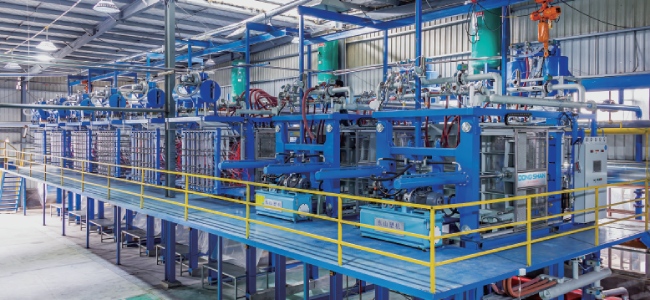
EPS, EPP and EPE shape moulding machines share core steam, cooling and mould systems, but their frames, filling units and safety features differ to match foam density and resilience.
Choosing the right structure improves stability, mould change speed and product quality, especially for complex packaging or insulation parts.
1. Machine frame and platen design
EPS machines usually use heavier steel frames and larger platens to handle rigid blocks. EPP and EPE frames focus more on elastic recovery and precise closing force.
- EPS: rigid support, high compression
- EPP: balanced force for impact parts
- EPE: lighter clamping, gentle closing
2. Filling system and pre-expander interface
Filling units differ by bead size and flow. EPS often uses high‑volume vacuum filling, while EPP and EPE need more control to avoid bead damage.
| Material | Typical bead flow | Control level |
|---|---|---|
| EPS | High | Medium |
| EPP | Medium | High |
| EPE | Low–medium | High |
3. Steam, cooling and vacuum layout
EPS machines feature dense steam chambers and strong vacuum for fast fusion. EPP and EPE layouts use softer steam ramps and longer cooling channels.
- EPS: fast steam, strong vacuum
- EPP: staged steam, moderate vacuum
- EPE: gentle steam, air‑rich cooling
4. Mould mounting and quick‑change features
Mould clamping and guide systems affect uptime. EPS lines often pair with a New type Quick mold changing machine to cut idle time.
- Standard rails and connectors
- Fast couplings for steam and vacuum
- Improved safety locks
🔥 Comparative energy consumption and thermal efficiency in EPS, EPP and EPE equipment
Energy use depends on steam pressure, cycle time and heat recovery. EPS usually runs higher steam loads, while EPP and EPE target lower temperatures and longer cycles.
Modern EPS lines with efficient vacuum and condensate return can match or beat EPP and EPE units in kWh per finished part.
1. Steam demand and boiler sizing
EPS shape moulders draw more peak steam to fuse rigid beads quickly. EPP and EPE often work with smaller boilers but with longer steaming stages.
| Material | Steam peak | Steam duration |
|---|---|---|
| EPS | High | Short |
| EPP | Medium | Medium |
| EPE | Low–medium | Long |
2. Electric power and drives
Hydraulic and vacuum pumps dominate electric loads. EPS machines with smart drives and soft start motors reduce peak demand and lower power bills.
- Inverter‑driven pumps
- Optimized vacuum cycles
- Energy‑saving standby modes
3. Heat recovery and insulation
Good pipe insulation and condensate return lift thermal efficiency in all three technologies. EPS lines gain most from upgraded steam traps and headers.
- Recovered condensate reuse
- Insulated steam and water lines
- Reduced vent losses
4. Overall cost per part comparison
When tuned well, EPS can reach very competitive cost per part, especially with high‑density packaging and insulation runs that favor short, hot cycles.
| Material | Relative energy cost/part |
|---|---|
| EPS | 1.0 (baseline) |
| EPP | 1.1–1.2 |
| EPE | 1.1 |
📦 Product performance and application suitability of EPS, EPP and EPE moulding
Product design should match material behavior. EPS offers rigidity, EPP gives impact strength, and EPE suits soft, flexible packaging and protective parts.
1. EPS: rigid packaging and building insulation
EPS delivers dimensional stability and low thermal conductivity, ideal for transport packaging and wall or roof insulation boards at competitive material costs.
- High stiffness
- Good thermal insulation
- Precise edge definition
2. EPP: energy absorption and reusable packaging
EPP’s elastic recovery makes it perfect for automotive components, dunnage trays and reusable transport boxes that need repeated impact resistance.
| Benefit | Typical use |
|---|---|
| High impact absorption | Automotive cores |
| Reusability | Returnable packaging |
3. EPE: flexible cushioning and light parts
EPE suits low‑weight, soft‑touch packaging such as electronics and fragile goods. It offers gentle support and simple manual handling.
- Soft cushioning
- Very low density
- Good surface protection
🧪 Process control, cycle time and automation levels across EPS, EPP and EPE lines
Control systems govern heating, cooling and mould movement. EPS, EPP and EPE lines share similar PLC logic but differ in speed and fine‑tuning demands.
1. Cycle time and throughput
EPS usually delivers the shortest cycles for high‑volume packaging. EPP and EPE often need extra time for steam penetration and controlled cooling.
| Material | Typical cycle time |
|---|---|
| EPS | Short |
| EPP | Medium |
| EPE | Medium–long |
2. Automation, robotics and quick change
Top EPS lines integrate automatic de‑stacking, conveyors and quick‑change systems to reduce labor and downtime between moulds or products.
- Robot part take‑out
- Automatic ejectors
- Recipe‑based changeovers
3. Advanced control in EPS K‑ and X‑series machines
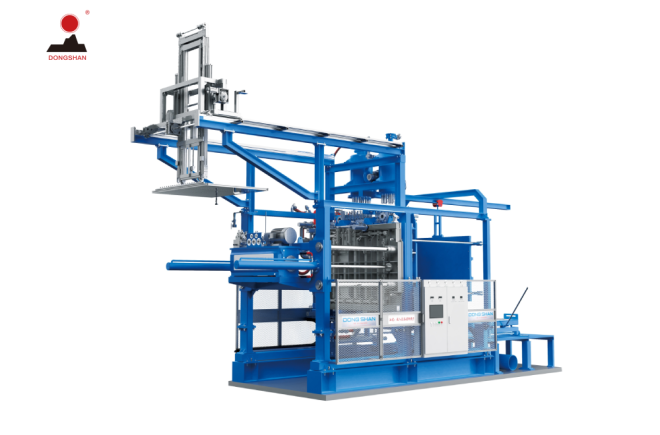
Modern EPS systems, such as the EPS Fully Automatic K-Type Shape Molding Machine for Packaging and Insulation and EPS Fully Automatic X-A Type Shape Molding Machine for Packaging and Insulation, use precise steam valves, multi‑zone cooling and data logging.
🏭 Maintenance, durability and long‑term operating costs in EPS, EPP and EPE systems
Long‑term cost depends on frame strength, valve quality and ease of service. EPS, EPP and EPE machines share many spare parts and maintenance routines.
1. Wear parts and service intervals
Steam valves, seals and vacuum components need regular checks. EPS lines running high pressure may require slightly tighter service intervals.
- Scheduled valve inspection
- Seal and gasket replacement
- Lubrication of moving parts
2. Frame life and corrosion control
Robust coatings, stainless piping and good condensate management protect the frame in all systems and extend useful life under humid conditions.
| Measure | Benefit |
|---|---|
| Anti‑corrosion paint | Longer frame life |
| Stainless manifolds | Cleaner steam circuit |
3. Total cost of ownership comparison
EPS machines often show the lowest cost per part in high‑volume work because tooling, energy and maintenance spread over larger, faster runs.
- Lower mould cost than EPP
- High uptime with quick change
- Shared parts across lines
Conclusion
EPS, EPP and EPE shape moulding machines each serve different product and cost targets. EPS suits fast, rigid packaging and insulation, while EPP and EPE focus on impact and soft cushioning.
By comparing structure, energy use, automation and maintenance, buyers can match the right technology to product design, budget and long‑term production plans.
Frequently Asked Questions about shape moulding machine
1. Which material is best for export packaging?
EPS is usually best for export packaging thanks to its rigidity, low cost and good insulation. EPP works better when you need reusable or high‑impact parts.
2. How do I reduce energy use on an existing EPS line?
Improve steam insulation, tune cycle times, add condensate recovery and optimize vacuum settings. Regular maintenance on valves and traps also lowers waste.
3. Can one machine run both EPS and EPP?
Some advanced machines can, but they must support wider pressure ranges and more precise control. Check steam, vacuum and safety ratings before mixing materials.

 Privacy settings