




Choosing an EPS molding machine can feel like blindfolded Tetris—blocks (orders) keep falling, the boss wants faster output, and you’re praying the power bill doesn’t explode.
This capacity and output guide shows clear formulas, real examples, and sizing tips, backed by IEA efficiency research, so you can match machines to demand without guesswork.
⚙️ Key factors that determine EPS molding machine capacity and productivity
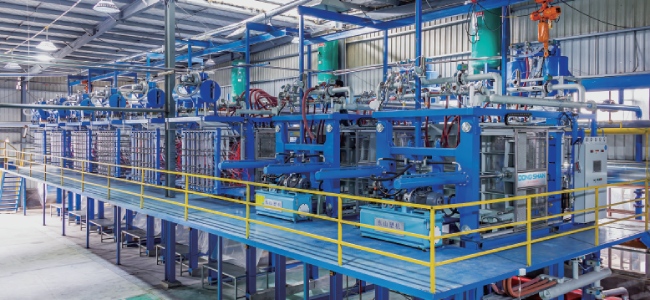
EPS molding machine capacity depends on mold size, steam system, cooling, and automation. Clear control of these points helps you predict daily output and reduce downtime.
When you match machine design with EPS grade, density, and final product size, you keep stable quality while reaching the best cycles per hour.
1. Machine clamping force and platen size
Clamping force and platen size decide the maximum mold area and cavity count. Larger platens allow more parts per shot but need stronger frames.
- Check maximum mold dimensions and thickness range.
- Match platen size to panel, box, or block formats.
- Keep safety margin for future mold upgrades.
2. Steam supply and vacuum performance
A stable steam and vacuum system speeds fusion and drying. Weak supply forces longer cycles and uneven density across the product.
- Use a High-Efficiency Central Vacuum System for EPS Production to cut moisture faster.
- Monitor steam pressure at the machine inlet.
- Insulate pipelines to avoid heat loss.
3. Automation level and control system
Modern automatic EPS machines reduce labor and errors. Fast recipe changes and remote diagnostics support higher uptime and flexible orders.
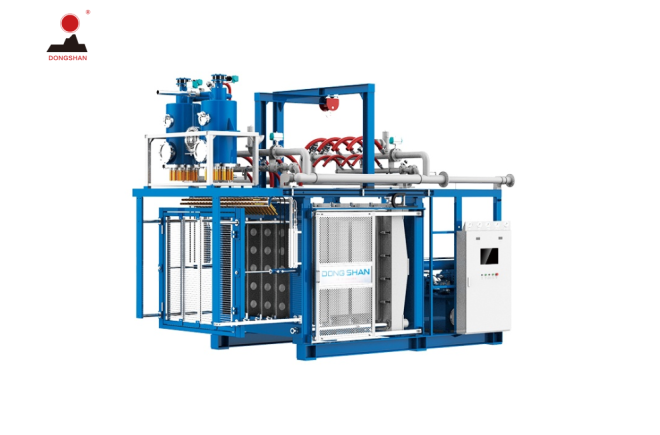
- EPS fully automatic X-B type shape molding machine offers precise timing control.
- PID control keeps steam and cooling stable.
- Data logging helps optimize cycle steps.
4. Cooling water and compressed air capacity
Cooling and air ejection impact part release speed. If water flow or air volume is low, cycle time grows and surface defects appear.
| Factor | Impact on Capacity |
|---|---|
| Water temperature | Lower temperature shortens cooling time |
| Flow rate | Higher flow keeps mold at stable conditions |
| Air volume | Faster demolding and less sticking |
📊 Calculating optimal output rates for different EPS product sizes and densities
To plan EPS molding machine capacity, you must link part volume, density, and cycle time. This lets you estimate hourly and daily output more accurately.
By comparing light packaging parts and dense insulation blocks, you can find realistic production ranges and avoid overloading the steam and vacuum system.
1. Basic formula for hourly capacity
Hourly capacity equals parts per cycle multiplied by cycles per hour. Adjust for changeovers, maintenance, and cleaning time.
- Cycles/hour = 3600 ÷ cycle time (seconds).
- Effective rate usually 80–90% of theoretical.
2. Effect of product density on cycle time
Higher density EPS needs more steam and longer cooling. This lowers cycles per hour even when cavity count stays the same.
| Density (g/L) | Typical Cycle (s) |
|---|---|
| 10–12 | 50–55 |
| 15–18 | 60–70 |
| 20–25 | 75–90 |
3. Comparing outputs for small boxes vs panels
Small boxes can run many cavities and short cycles. Large panels use fewer cavities, so capacity depends more on each cycle’s total area.
- Boxes: high piece count, low weight.
- Panels: lower count, high volume per shot.
4. Visualizing output with bar charts
The chart below shows how changing cycle time directly affects hourly output for a single-cavity mold.
🏭 Balancing cycle time, steam consumption, and energy efficiency for higher output
Good EPS capacity means faster cycles with controlled steam and power use. You improve profit when every kilogram uses less energy.
Focus on fine-tuning heating, vacuum, and cooling steps instead of only increasing pressure or time.
1. Optimize heating and fusion stage
Use just enough steam to finish bead fusion. Too much steam wastes energy and can deform thin walls.
- Set steam pressure ranges for each density.
- Use short pulses instead of long open valves.
2. Improve vacuum and cooling balance
Strong vacuum plus correct cooling water temperature gives stable demolding without cracks or shrink marks.
| Parameter | Target |
|---|---|
| Vacuum level | Low absolute pressure for quick drying |
| Cooling water | Below 18–20°C when possible |
3. Choose efficient fully automatic machines
Modern EPS machines with advanced valves and smart controls cut steam and power use while holding output high.
- EPS Fully Automatic X-A Type Shape Molding Machine for Packaging and Insulation supports precise energy tuning.
- Use energy reports to track kg/kWh and kg/ton steam.
🔁 How mold design and layout influence EPS molding machine daily capacity
Mold design decides how many parts you get per cycle and how stable the quality stays. Smart layout improves both output and energy use.
Balanced steam, vents, and ejectors help you run faster without blocking or breakage.
1. Cavity count and part arrangement
More cavities raise parts per cycle but need enough steam channels and vacuum lines to share energy evenly.
- Avoid very long steam paths.
- Group similar sizes together in family molds.
2. Venting and drainage layout
Good vents let air and condensate escape quickly. Poor vents cause short filling and wet spots inside the product.
| Area | Design Tip |
|---|---|
| Corners | Add micro-vents to avoid cold spots |
| Thick ribs | Extra vents for fast drying |
3. Mold changeover and maintenance design
Quick clamp systems and easy access reduce downtime between different EPS products, so daily machine capacity rises.
- Use standard connections for steam and vacuum.
- Plan regular cleaning of vents and cooling channels.
📈 Practical methods to plan plant capacity and schedule EPS production batches
Clear capacity planning links customer orders, stock levels, and real machine output. This helps you avoid late deliveries and unused machine time.
Use simple spreadsheets or MES tools to track daily load, batch sizes, and mold use.
1. Build a realistic capacity model
Start with each machine’s average cycle, uptime, and scrap rate. Then convert that into weekly and monthly tonnage.
- Include pre-expansion and curing time.
- Plan extra margin for rush orders.
2. Group orders by density and mold
Run batches of similar density and mold setups together. This cuts changeovers and stabilizes steam and vacuum conditions.
| Batch Type | Benefit |
|---|---|
| Same density | Less parameter change and scrap |
| Same mold | Higher net running hours |
3. Monitor KPIs and adjust schedules
Track OEE, cycles per hour, and kg per shift. Use these KPIs to fine tune workforce and shift patterns.
- Review daily output against plan.
- Update maintenance around low-load periods.
Conclusion
EPS molding machine capacity depends on the full system: molds, steam, vacuum, cooling, and automation. When you balance these areas, you gain stable cycles and lower energy use.
Use clear formulas, real data, and smart batch planning to match machine choices with product mix. This drives higher daily output and better profit margins.
Frequently Asked Questions about eps molding machine
1. How do I estimate the capacity of a new EPS molding machine?
Check platen size, recommended cycle time, and typical cavities for your products. Then use parts per cycle × cycles per hour × working hours, and reduce by about 10–20% for downtime.
2. Why does EPS density change my output rate?
Higher density needs more steam to fuse the beads and more cooling to stabilize the part. This increases cycle time, so cycles per hour and total pieces drop.
3. How often should I maintain my EPS molds?
Clean vents and check cooling channels daily or weekly, depending on hours used. Plan deeper inspections monthly to remove scale, repair damage, and keep capacity stable.
4. What is the role of a central vacuum system in capacity?
A strong central vacuum removes moisture and air faster, so parts dry quickly and release earlier. This can cut cycle time, save steam, and raise daily output.

 Privacy settings