

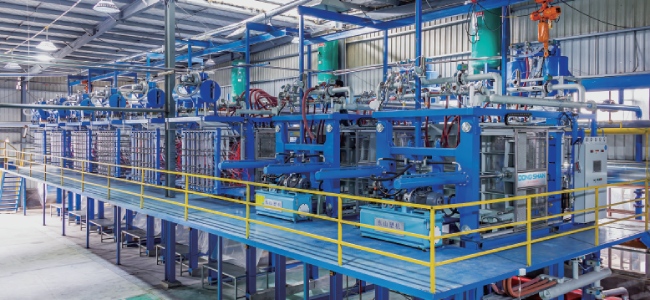




Your EPS pre-expander drinks steam like coffee on a Monday morning, burning through energy, money, and your patience while you just want smooth, efficient bead expansion instead of watching your boiler have a daily meltdown.
Optimize steam pressure, improve insulation, and tune cycle settings to cut waste and save costs—studies like the U.S. DOE Steam System Best Practices report show proper steam management can significantly reduce consumption.
1. ⚙️ How EPS pre expander steam consumption affects production costs
Steam use in EPS pre expansion directly changes unit foam cost, boiler load, and profit margin. Small reductions in steam per kilogram quickly add up.
By tracking steam data, plants can compare shifts, adjust settings, and choose equipment that gives stable density with less energy waste.
1.1 Steam as a major operating cost
Steam often accounts for a large share of EPS variable costs, especially where fuel prices are high or boilers run with low efficiency.
- Fuel and water use
- Boiler chemical treatment
- Condensate and blowdown losses
1.2 Impact on cost per kilogram of EPS beads
Lower steam per kilogram cuts cost per kilogram of EPS beads and makes pricing more competitive in tight markets.
| Steam Use (kg/kg EPS) | Relative Cost |
|---|---|
| 0.25 | High |
| 0.18 | Medium |
| 0.14 | Low |
1.3 Hidden costs of unstable steam control
Bad steam control can cause density spread, wet beads, and longer drying times, which all raise total energy cost per batch.
- More scrap and reprocessing
- Longer cycle times
- Higher labour and maintenance
1.4 Role of modern pre-expanders in steam savings
Advanced pre expanders offer precise valves, sensors, and recipes that cut steam use while keeping good bead quality and uniform density.
- Stable pressure and temperature
- Automatic density control
- Integrated energy monitoring
2. 🌡️ Optimizing pre-expansion parameters to reduce steam usage in EPS plants
Fine tuning steam pressure, cycle time, and feed rate helps reduce steam per kilogram without harming bead quality or expansion ratio.
Plants that monitor these values with clear dashboards can react fast and keep lines close to best energy performance every day.
2.1 Balancing steam pressure and residence time
Running at the lowest stable steam pressure and matching residence time gives good bead expansion with less wasted latent heat.
- Start with supplier default recipes
- Reduce pressure in small steps
- Check density and fusion each change
2.2 Moisture control and fluidized bed settings
Correct fluidized bed air flow and temperature reduces bead moisture, so you need less steam for reheating and post expansion steps.
| Parameter | Typical Target |
|---|---|
| Bed air temperature | 30–40°C |
| Bead moisture | < 2% |
2.3 Using real-time data and charts
Online charts help track steam use per batch and show where leaks, wrong settings, or bad raw material cause extra energy demand.
2.4 Choosing equipment designed for low steam use
Systems like the EPS Continuous Pre-Expander Machine Dongshan Plastic Machinery use smart control and efficient steam chambers to lower energy use across all density ranges.
- Optimized steam distribution
- Accurate feed control
- Automatic recipe storage
3. 💧 Steam system maintenance practices that enhance EPS pre expander efficiency
Regular steam system care avoids leaks, pressure drops, and water hammer, all of which raise steam consumption and damage equipment.
A simple checklist with clear rules helps teams keep pre expander lines reliable and energy efficient over years of daily use.
3.1 Trap inspection and condensate return
Working steam traps and clean condensate return lines keep steam dry and reduce boiler load for the same pre expansion capacity.
- Test traps on a schedule
- Replace failed traps fast
- Insulate hot condensate lines
3.2 Insulation and leak repair
Good insulation and quick leak repair avoid energy loss in steam headers, valves, strainers, and flexible hoses near machines.
| Action | Benefit |
|---|---|
| Insulate valves | Lower surface heat loss |
| Fix flanges | Reduce live steam venting |
3.3 Calibrating sensors and control valves
Accurate steam flow meters, pressure transmitters, and temperature sensors support tight control and avoid excess safety margins.
- Yearly calibration plan
- Clean strainers and filters
- Check actuator response
4. 📊 Calculating steam savings and payback from upgrading to Dongshan Plastic Machinery
Plants can compare current steam use with expected use from new equipment to estimate yearly savings and investment payback time.
This helps justify upgrades like an Industrial EPS Continuous Pre-Expander System or smart batch pre expanders.
4.1 Baseline measurement of current steam use
Log steam per kilogram, boiler fuel, and production hours for at least two weeks to create a reliable baseline for comparison.
- Record by line or shift
- Exclude abnormal downtime
- Note product mix
4.2 Estimating savings with high-efficiency models
Use supplier data and trials from a Fully Automatic EPS Pre-Foaming Machine High Efficiency Intelligent Model to estimate percentage steam reduction for each density range.
| Density | Current (kg/kg) | Target (kg/kg) |
|---|---|---|
| 12 g/l | 0.20 | 0.15 |
| 20 g/l | 0.17 | 0.13 |
4.3 Payback and lifecycle cost view
Include lower maintenance, better uptime, and scrap reduction when you compute payback, not only direct fuel cost savings.
- Compare 5–10 year cash flows
- Include spare parts cost
- Value quality gains
5. ♻️ Environmental benefits of lower steam consumption in EPS pre expansion
Using less steam means lower fuel burn, fewer emissions, and an easier path to meet local and global environmental rules.
It also supports customer requests for low-carbon packaging and insulation materials with traceable energy footprints.
5.1 Reduced CO₂ and other emissions
Every kilogram of steam saved cuts CO₂ from gas, oil, or coal boilers, and often lowers NOx emissions at the same time.
- Helps meet climate targets
- Reduces carbon tax exposure
- Improves ESG scores
5.2 Lower water and chemical usage
Less steam means less make-up water, boiler chemicals, and blowdown, which reduces the strain on local water systems.
| Item | Effect of Steam Cut |
|---|---|
| Make-up water | Down |
| Chemical use | Down |
| Wastewater | Down |
5.3 Stronger green marketing position
Energy efficient EPS production supports green labels and lets producers share clear environmental metrics with brand owners and builders.
- Support eco product claims
- Win bids with energy data
- Boost company reputation
Conclusion
Careful control of EPS pre expander steam consumption lowers costs, improves quality, and reduces environmental impact at the same time.
By upgrading equipment, optimizing settings, and maintaining the steam system, plants gain fast payback and long-term, stable energy savings.
Frequently Asked Questions about eps batch pre expander machine
1. What is a good steam consumption target for EPS batch pre expanders?
Many modern lines reach about 0.13–0.16 kilograms of steam per kilogram of EPS, depending on density and raw material quality.
2. How often should I check steam traps and valves?
A monthly visual check plus a deeper review every six months is a simple plan that keeps most EPS plants running efficiently.
3. Does lower steam use affect bead quality or moulding?
When you reduce steam in small steps and monitor density, fusion, and moisture, quality usually stays stable or even improves.

 Privacy settings