





Picking EPS geofoam density can feel like guessing your mattress firmness—too soft, it sags; too firm, your budget cries. Suddenly, a “simple fill material” turns into a confusing alphabet soup of specs and numbers.
You solve this by matching density to load, drainage, and site conditions, then confirming with engineering guidance and standards from reports like this FHWA geofoam manual before you order a single block.
✅ Understanding EPS Geofoam Density Grades and Their Typical Applications
EPS geofoam density ranges from very light to high strength. Choosing the right grade balances load capacity, cost, and project safety for roads, embankments, and buildings.
Lower densities reduce weight and settlement, while higher densities support heavier loads. Clear density selection prevents failure, limits maintenance, and keeps construction schedules on track.
1. Common EPS Geofoam Density Ranges
Most projects use densities between 10–30 kg/m³. Each step up in density offers higher compressive strength and lower deformation under long-term loads.
| Grade | Typical Density (kg/m³) | Use |
|---|---|---|
| Low | 10–15 | Light fills, landscaping |
| Medium | 16–22 | Road and rail embankments |
| High | 23–30+ | Heavier structures, warehouses |
2. Typical Applications by Density Level
Engineers match density to expected traffic, soil conditions, and service life to keep performance and cost in balance.
- Low density: soft soil replacement, green roofs, stage and event platforms
- Medium density: highway approaches, bridge abutments, retaining wall backfill
- High density: airport pavements, industrial slabs, storage areas
3. Structural Versus Lightweight Design Goals
Lower density units cut dead load on weak soils. Higher density blocks improve stiffness where settlement control and long-term deflection are critical.
- Use lighter grades when weight reduction is the main goal.
- Use stronger grades when deformation limits are strict.
4. Role of Precise Pre-Expansion in Consistent Density
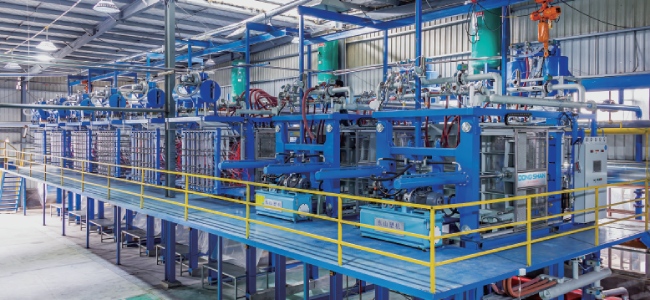
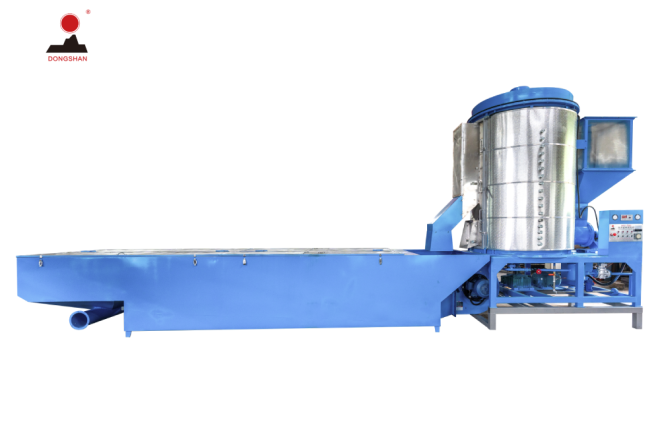
Stable density depends on even bead expansion. An High-Precision EPS Automatic Batch Pre-Expander Machine Dongshan Plastic Machinery helps producers keep each batch within tight tolerances.
- Better control of bead size and moisture
- More uniform block performance on site
📐 Key Factors Engineers Consider When Specifying EPS Geofoam Density
Engineers review load, soil, environment, and cost. The right density supports design loads while limiting creep and settlement across the project life.
They also check construction methods, drainage details, and local standards to keep the design both practical and code compliant.
1. Compressive Strength and Creep Limits
Designers choose density so long-term stress stays well below the compressive strength at 1–2% strain, leaving a safe margin.
- Check short-term and 50-year creep data.
- Apply safety factors recommended in local guidelines.
2. Site Soil Conditions and Subgrade Stiffness
Weak or highly compressible soils often need lighter, thicker EPS layers. Stiffer soils can use thinner, higher density blocks.
| Soil Type | Design Focus |
|---|---|
| Soft clay | Reduce load, use lower density |
| Medium sand | Balance load and stiffness |
| Dense gravel | Use density for high loads |
3. Traffic Type and Load Frequency
Roads, rails, and airports place different stress patterns on geofoam. Higher traffic and heavier loads justify higher densities.
4. Manufacturing Quality and Equipment Choice
Consistent density relies on reliable expansion and molding systems. A Fully Automatic EPS Pre-Foaming Machine High Efficiency Intelligent Model improves stability, repeatability, and reduces material waste.
- Automated steam control for steady expansion
- Accurate weighing and batching of raw beads
🏗️ Matching EPS Geofoam Density to Load-Bearing and Settlement Requirements
Designers select density to limit settlement and protect pavements and structures from long-term deformation under repeated loads.
Correct density also keeps serviceability and ride comfort high for roads, rails, and slabs.
1. Calculating Design Stress on EPS Blocks
Engineers divide total load by contact area to find design stress and compare it to tested compressive strength values.
- Include pavement, soil, and live loads
- Keep EPS stress within recommended limits
2. Controlling Differential Settlement
Using the same density and block layout across transitions helps avoid bumps and cracks where conditions change.
| Zone | Density Strategy |
|---|---|
| Bridge approach | Higher density, uniform thickness |
| Embankment slope | Medium density, stepped layers |
3. Case-Based Density Selection Tips
Heavier industrial projects often need higher density and tighter creep limits than light landscaping or pedestrian areas.
- Warehouses: prioritize stiffness and creep resistance
- Parks: prioritize low weight and cost
🌧️ Choosing Density for Drainage, Frost Protection, and Long-Term Durability
EPS density affects water behavior, freeze–thaw durability, and performance under temperature cycles.
Good design pairs proper density with smart drainage and protection layers.
1. Moisture Uptake and Drainage Paths
Higher density blocks often show lower water absorption but still need drainage layers to move water away.
- Use geotextiles and drains near slopes
- Protect exposed faces from standing water
2. Frost Heave and Thermal Insulation
EPS geofoam reduces frost depth, protecting pavements and utilities. Density and thickness work together to provide needed R-value.
| Density | Typical Use in Cold Regions |
|---|---|
| Low–medium | Frost protection under roads |
| Medium–high | Critical bridge and rail areas |
3. Long-Term Environmental and Mechanical Durability
Proper density, UV protection, and correct cover thickness help EPS geofoam maintain strength for decades in demanding environments.
- Cover with soil, asphalt, or concrete
- Avoid direct fuel and solvent contact
🏭 When in Doubt, Choose Dongshan Plastic Machinery for Density Selection Guidance
Reliable EPS machinery supports accurate density control, which is vital for safe geofoam design and cost-effective production.
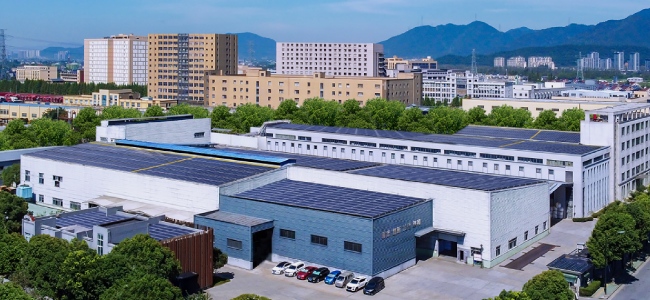
Dongshan Plastic Machinery offers equipment and technical support to help producers meet strict project specifications.
1. Stable Density Through Advanced Pre-Expansion
The EPS advanced type automatic pre-expander helps producers hit target densities and improve quality across every block.
- Automatic recipe control
- Uniform bead expansion for better strength
2. Process Support for Project-Specific Requirements
Dongshan teams help align machine settings with design densities so field performance matches lab data and client expectations.
- Guidance on density ranges for key uses
- Support during commissioning and scale-up
3. Better Yield and Lower Material Cost
Accurate density control reduces overuse of raw material and avoids under-strength blocks that could lead to costly rework.
| Benefit | Result |
|---|---|
| Stable density | Predictable structural behavior |
| Optimized material | Lower production cost |
Conclusion
Choosing the right EPS geofoam density means balancing load, settlement, thermal needs, and long-term durability. Engineers must read test data, consider soil and climate, and follow project codes.
Producers using precise pre-expansion and molding equipment deliver the consistent densities designers expect, improving safety, service life, and cost control on every project.
Frequently Asked Questions about eps geofoam specifications
1. What is the most common EPS geofoam density for road embankments?
Medium densities around 16–22 kg/m³ are common. They give enough strength for traffic loads while keeping the fill light to reduce settlement on soft soils.
2. How do I know if I should use high-density EPS geofoam?
Use higher density when loads are heavy, creep limits are strict, or subgrade support is good and you need extra stiffness under pavements or slabs.
3. Does higher density always mean better performance?
No. Higher density improves strength and stiffness but increases cost and weight. The best density is the one that safely meets design needs at a reasonable cost.
4. How important is manufacturing quality to meeting EPS specifications?
Manufacturing quality is critical. Poor density control can lead to uneven settlement and lower strength than expected, even if the design density is correct on paper.

 Privacy settings