

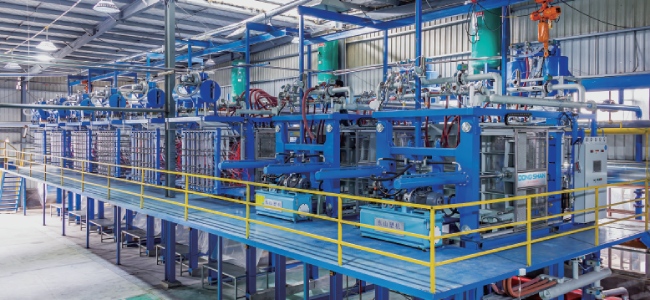



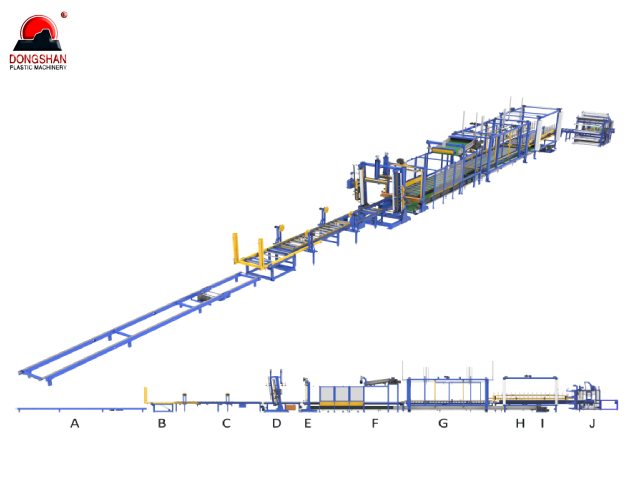
The demand for efficient, high-quality construction materials is at an all-time high, with EPS panels leading the forefront due to their lightweight, durable, and insulation properties. In this article, we delve into the technological advancements in eps panel production lines, highlighting innovative machinery and techniques that ensure superior output. With a focus on high-quality EPS panel production, we explore the components, processes, and leading manufacturers in the industry.
Introduction to Advanced Cutting Machinery
● Overview of Cutting Machines and Their Importance
Cutting machines are the heartbeat of any EPS panel production line, serving as the critical equipment that transforms EPS blocks into precise, usable panels. These machines are tasked with ensuring not only the correct dimensions but also the integrity of the panels, affecting the overall quality and functionality. Today’s cutting technology has evolved significantly, introducing machines capable of handling complex operations with ease, precision, and speed, making them indispensable tools in delivering high-quality EPS panels.
● Innovations in Cutting Technology
Recent years have seen remarkable innovations in the realm of cutting technology. Precision has been enhanced through the use of laser and CNC cutting machines, which ensure that each panel is produced to the exact specifications required. Automated systems have been integrated to reduce manual intervention, increasing production efficiency and decreasing errors. These advancements place a well-equipped EPS panel production line in a league of its own, ensuring best-quality products that meet industry standards.
Analyzing Device Parameters and Specifications
● Detailed Examination of Cutting Device Dimensions
Understanding the dimensions and specifications of cutting devices is fundamental in establishing an efficient EPS panel production line. Each device must be tailored to accommodate the specific size and density of the EPS blocks being processed. This includes considering factors such as the cutting width, height, and depth capabilities, all of which play crucial roles in ensuring that the final product meets the desired criteria for construction applications.
● Understanding Power and Voltage Requirements
Power and voltage specifications are pivotal in maintaining the seamless operation of the EPS panel production line. Machines need to be integrated into the factory's electrical system in a manner that ensures consistency and reliability, preventing downtime and ensuring that production schedules are adhered to. High-quality EPS panel production lines are designed with energy efficiency in mind, optimizing power usage while maximizing output.
Understanding the Usage Process
● Step-by-step Guide Through the Cutting Process
A high-quality EPS panel production line is characterized by its streamlined cutting process. Initially, EPS blocks are loaded into the cutting machine, where they are systematically sliced according to precise dimensions. Advanced machines incorporate automated features that adjust parameters such as blade speed and cutting angles in real-time, ensuring seamless operations and consistent quality across batches.
● Importance of Precise Alignment in Operations
Precise alignment is a non-negotiable aspect of high-quality EPS panel production. Every component within the line, from the block feeding system to the final cut, must be perfectly aligned to avoid discrepancies in panel dimensions. This precision is achieved through automated systems equipped with sensors and alignment tools that offer real-time adjustments, enhancing the overall reliability and output of the best EPS panel production lines.
Efficient Plate Storage and Handling Solutions
● Manual vs Automatic Storage Line Features
The storage and handling of EPS panels post-production can significantly impact the efficiency of a production line. Manual storage systems offer flexibility and simplicity but are labor-intensive and slower. On the other hand, automatic storage lines utilize state-of-the-art equipment to quickly and safely pack and store panels, reducing handling time and increasing throughput.
● Optimizing Layout for Productivity
An optimized production line layout is essential for maximizing productivity and efficiency in an EPS panel production line factory. Effective layout designs ensure a smooth flow of materials, from raw EPS inputs to finished panel outputs, minimizing bottlenecks and enhancing overall productivity. Leading manufacturers and suppliers of EPS panel production lines invest in research and development to create layouts that maximize space and reduce waste, ensuring a high return on investment.
The Role of Hydraulic Turning Frames
● Advantages of Hydraulic Systems in Cutting
Hydraulic systems provide immense benefits in the cutting processes of EPS panel production. By harnessing the power of hydraulics, cutting machines can achieve greater consistency and stability, even under the most demanding production conditions. This ensures that the panels produced are uniformly cut, reducing the likelihood of defects and thus enhancing the overall quality of the panels.
● Enhancing Stability and Safety
Safety and stability are paramount in any manufacturing environment, and hydraulic systems contribute significantly to these aspects. In EPS panel production line factories, hydraulic systems not only stabilize the cutting process but also mitigate risks by providing controlled, precise movements, reducing the likelihood of accidents and ensuring that machinery operates within its engineered parameters.
High-Precision Cross-Cutting Techniques
● Alignment and Board Chasing Mechanisms
The best EPS panel production lines leverage high-precision cross-cutting techniques to deliver panels of exact specifications. Alignment mechanisms ensure that each panel is correctly positioned before cutting, while board chasing technologies facilitate smooth, swift operations, providing clean cuts that adhere to industry quality standards.
● Utilizing Cross-Cutting for Optimal Accuracy
Cross-cutting is a technique that significantly enhances the accuracy and quality of EPS panels. By implementing advanced cross-cutting machines, manufacturers can ensure that each panel is consistent in size and shape, meeting the rigorous demands of construction projects. This precision is critical for maintaining the reputation of any EPS panel production line supplier, ensuring customer satisfaction and loyalty.
Innovations in Vertical and Horizontal Cutting
● Advanced Wire Adjustment Systems
Wire cutting is a fundamental method used in EPS panel production, favored for its ability to deliver clean, precise cuts. Advanced wire adjustment systems have been developed to enhance this process, allowing for quick, easy modifications to cutting parameters and enabling the production of panels that meet varied client specifications without slowing down production.
● Cooling Mechanisms for Wire Longevity
The longevity of cutting wires in EPS panel production lines is significantly improved through innovative cooling mechanisms. These systems dissipate heat generated during cutting, reducing wire wear and tear and ensuring that machines operate at optimal performance. This advancement not only extends the life of cutting equipment but also contributes to the overall quality of EPS panels produced.
Automation in Pre-Crushing and Alignment Processes
● Mechanisms of Pre-Crushing Devices
Pre-crushing devices serve a crucial role in the EPS panel production process by breaking down raw materials into manageable sizes for cutting and shaping. These mechanisms have been automated to increase efficiency and reduce the need for manual intervention, thus enhancing the capacity of high-quality EPS panel production lines.
● Enhancing Efficiency with Automatic Alignment Systems
Automatic alignment systems are key innovations in modern EPS panel production lines, ensuring that each piece of machinery operates in perfect harmony with the rest of the line. This synchronization enhances the efficiency of the entire process, reducing production time while maintaining the highest standards of quality.
Stacking Mechanisms and Waste Management
● Efficient Stacking and Packaging Strategies
An effective EPS panel production line features automated stacking and packaging solutions that streamline the post-production process. This automation reduces manual labor, increases packaging speed, and ensures that panels are prepared for shipment or storage in a manner that protects their integrity and maintains quality.
● Handling Waste with Pre-Crushing Devices
Waste management is an important consideration in EPS panel production. Efficient pre-crushing devices help to minimize waste by reclaiming unused EPS material, which can be recycled back into the production process. This not only reduces costs but also underscores a commitment to sustainable manufacturing practices, positioning manufacturers and suppliers as leaders in environmentally friendly production.
Features and Benefits of Modern Cutting Equipment
● Key Features that Enhance Cutting Efficiency
The hallmark of a superior EPS panel production line is its cutting equipment. Modern machines boast features such as precision controls, automated settings, and advanced safety mechanisms that together enhance cutting efficiency. These features ensure that each panel produced meets the stringent quality requirements of today's construction industry.
● Automation and Computer Monitoring Advancements
Automation and computer monitoring have revolutionized EPS panel production, bringing unprecedented levels of efficiency and precision to production lines. These systems allow operators to oversee the entire production process from a central control panel, making real-time adjustments as needed to maintain quality and efficiency. This technological integration offers a competitive edge, enabling the production of high-quality EPS panels consistently and reliably.
Conclusion
The evolution of EPS panel production lines has brought about significant improvements in efficiency, quality, and productivity. By incorporating advanced cutting machinery, automation, and innovative waste management strategies, manufacturers can ensure the delivery of high-quality EPS panels that meet the needs of modern construction projects.
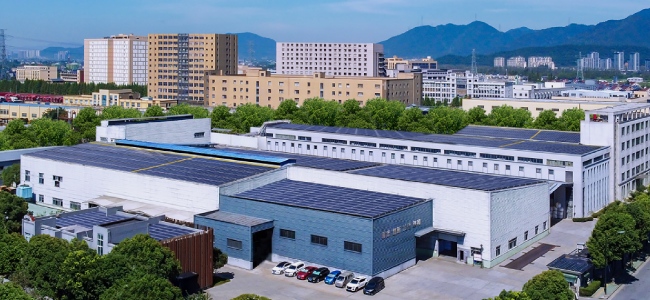
Dongshan EPS Machinery : As a pioneer in the EPS machinery industry, Hangzhou Fuyang Dongshan Plastic Machinery Co., Ltd. has been at the forefront of manufacturing superior EPS and EPP foam plastics machines for nearly two decades. Located strategically in Hangzhou, Dongshan EPS Machinery benefits from excellent transportation links to major ports. With recognized certifications such as CE and ISO9001-2008, the company is celebrated for its innovation and quality, holding numerous patents and international accolades. Dongshan's commitment to quality and service excellence has made it a trusted supplier to over fifty countries worldwide.

 Privacy settings