




Introduction to EPS Shape Molding Machines
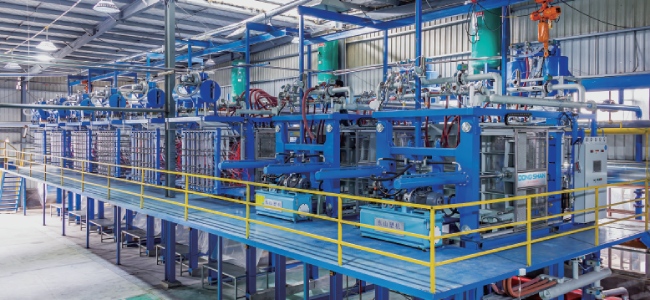
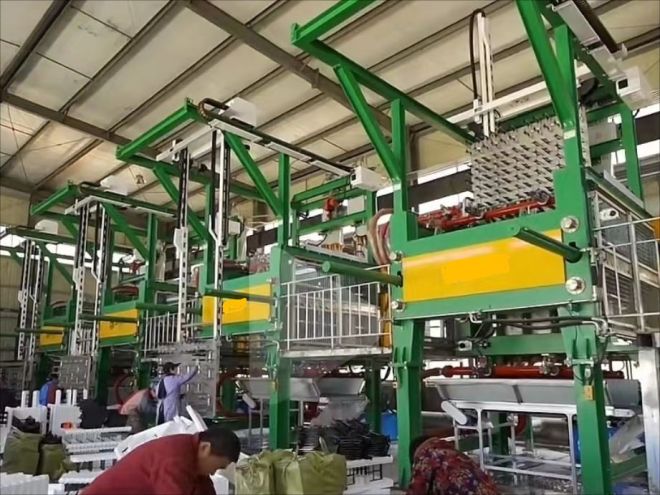
Expanded Polystyrene (EPS) shape molding machines are critical components in modern manufacturing processes, transforming raw EPS beads into finished products with diverse applications, including packaging, insulation, and consumer goods. The demand for high-quality eps shape molding machines is ever-increasing, driven by the need for precision, efficiency, and sustainability. As manufacturers strive to deliver the best EPS shape molding machines, understanding the intricacies of their operation becomes imperative.
Optimizing the Preheating and Boot Heating Processes
● The Importance of Preheating for Optimal Operation
Preheating is a crucial step in EPS shape molding, as it prepares the EPS beads for expansion and molding by elevating their temperature. Proper preheating ensures uniform expansion, enhancing the consistency and quality of the final product. A high-quality EPS shape molding machine will incorporate advanced preheating systems that optimize energy use and shorten cycle times, contributing to overall manufacturing efficiency.
● Role of Boot Heating in Uniform Heat Distribution
Boot heating plays a vital role in maintaining consistent heat distribution across the entire mold. This process ensures that all sections of the mold reach the desired temperature, minimizing defects and ensuring uniform product quality. Leading EPS shape molding machine manufacturers have developed sophisticated boot heating technologies to enhance operation precision and reliability.
Clamping and Mold Adjustment Techniques
● Methodologies for Effective Clamping
Effective clamping is essential for securing the mold during the EPS shape molding process, preventing leaks and ensuring the integrity of the product. The best EPS shape molding machines are equipped with robust clamping mechanisms that maintain consistent pressure throughout the cycle, reducing mold wear and enhancing production reliability.
● Impact of Mold Adjustment on Efficiency
Mold adjustment techniques directly impact production efficiency and product quality. Adjustments allow operators to fine-tune mold dimensions and other parameters, optimizing the process for different EPS products. EPS shape molding machine suppliers offer innovative solutions for automatic mold adjustment, reducing downtime and maintaining production speed.
Steam Injection for Enhanced Preheating
● Role of Steam in Mold Temperature Elevation
Steam injection is pivotal for elevating the mold temperature during the preheating phase. It facilitates the expansion and fusion of EPS beads, resulting in a well-formed, durable product. High-quality EPS shape molding machines utilize efficient steam systems to ensure rapid and even mold heating, enhancing operational efficiency.
● Benefits of Improved Fusion Degree
Achieving an improved fusion degree is essential for producing high-quality EPS products with superior structural integrity. EPS shape molding machine factories have integrated technology that optimizes steam distribution, ensuring every part of the mold receives adequate steam for optimal bead fusion and product durability.
Core Heating and Structural Integrity
● Importance of Core Heating for Product Strength
Core heating is a critical factor in determining the strength and resilience of the final EPS product. By penetrating the core of the EPS beads, heat ensures complete expansion and uniform density, which contributes to the product's structural integrity. The best EPS shape molding machines incorporate advanced core heating technologies to enhance product performance.
● Challenges of Increased Steam Consumption
While steam is integral to the molding process, managing steam consumption is a challenge. Manufacturers must balance efficient steam usage with production needs, and EPS shape molding machine suppliers are continually innovating to provide systems that optimize steam consumption without compromising product quality.
Two-Way Heating for Quality Finish
● Techniques for Enhancing Surface Quality
A two-way heating system is instrumental in achieving a high-quality surface finish in EPS products. By applying heat from both sides of the mold, this method ensures even exposure, reducing surface imperfections and enhancing product aesthetics. High-quality EPS shape molding machines incorporate two-way heating technologies to meet stringent industry standards.
● Advantages of Even Heat Distribution
Even heat distribution is crucial for achieving a consistent product finish, minimizing defects, and reducing waste. EPS shape molding machine manufacturers focus on developing technologies that promote uniform heat application, which not only improves product quality but also reduces energy consumption and costs.
Return Temperature and Energy Insulation
● Utilizing Residual Heat for Energy Conservation
Effective use of residual heat is a hallmark of high-quality EPS shape molding machines. By utilizing the return temperature effectively, machines can conserve energy, lower operational costs, and reduce their carbon footprint. Manufacturers are investing in technologies that harness residual heat, making the process more sustainable and economical.
● Effects on Surface Fusion Properties
Leveraging residual heat can significantly impact the surface fusion properties of EPS products. By ensuring that the return temperature is optimized, manufacturers can achieve better fusion without additional energy input. This not only enhances product durability but also improves the overall cost-effectiveness of the manufacturing process.
Precooling and Molding Speed Enhancement
● Opening and Closing of Cooling Valves
The precooling phase is crucial for setting the EPS product rapidly after molding. The timing for opening and closing cooling valves plays a significant role in molding speed and product quality. The best EPS shape molding machines have precise control systems that manage this process effectively, ensuring rapid cooling and high production rates.
● Impact on Cooling Time and Production Speed
Optimizing the precooling process can significantly reduce cycle times, enhancing production speed and throughput. EPS shape molding machine manufacturers continuously explore new cooling techniques to shorten cooling times without compromising product quality, thereby increasing overall manufacturing efficiency.
Water and Air Cooling Strategies
● Combined Effects for Efficient Temperature Reduction
Combining water and air cooling strategies allows for effective temperature reduction post-molding. This hybrid approach ensures that the EPS product is quickly and uniformly cooled, maintaining dimensional stability and surface quality. EPS shape molding machine suppliers offer systems that integrate these strategies, delivering efficient and consistent results.
● Importance in Maintaining Product Integrity
Maintaining product integrity during the cooling phase is essential to prevent warping or deformation. EPS shape molding machines that employ advanced water and air cooling techniques can achieve faster cooling while preserving the product's structural and aesthetic qualities, offering manufacturers a competitive edge.
Vacuum Cooling and Demolding Facilitation
● Vacuum Technology for Heat and Water Removal
Vacuum cooling is a sophisticated method used to remove heat and water from the mold quickly, enhancing the efficiency of the demolding process. High-quality EPS shape molding machines equipped with vacuum technology ensure rapid cooling, facilitating smooth and damage-free demolding.
● Benefits of Negative Pressure in Demolding
The application of negative pressure in vacuum cooling not only speeds up the cooling process but also aids in demolding by reducing the adhesion between the mold and the product. This technology is a noteworthy feature of the best EPS shape molding machines, as it enhances product quality and reduces cycle times.
Conclusion
In the evolving landscape of EPS manufacturing, advanced shape molding machines play a pivotal role in delivering high-quality, efficient, and sustainable production solutions. By leveraging cutting-edge technologies and optimizing every phase of the molding process, manufacturers can produce superior EPS products that meet the demands of diverse industries.
About Dongshan EPS Machinery
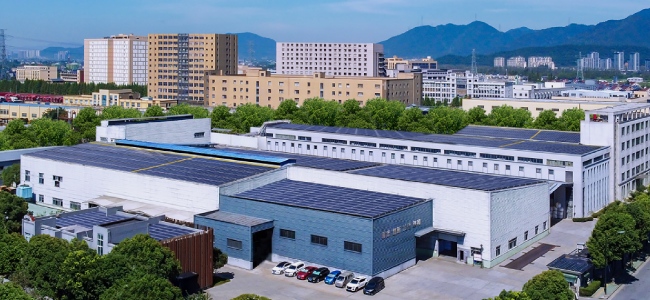
Hangzhou Fuyang Dongshan Plastic Machinery Co., Ltd. has been a pioneer in the manufacturing of EPS and EPP foam plastics machines for nearly 20 years. Based in Hangzhou, China, the company benefits from its strategic location near major ports, facilitating global distribution. Dongshan EPS Machinery is renowned for its commitment to quality and innovation, holding numerous patents and certifications, including CE and ISO9001-2008. The company excels in producing a wide range of machines, including the award-winning Large Auto Lost-Foam Block Molding Machine. With a global presence, Dongshan's dedication to excellence has earned it a stellar reputation in the industry.


 Privacy settings