

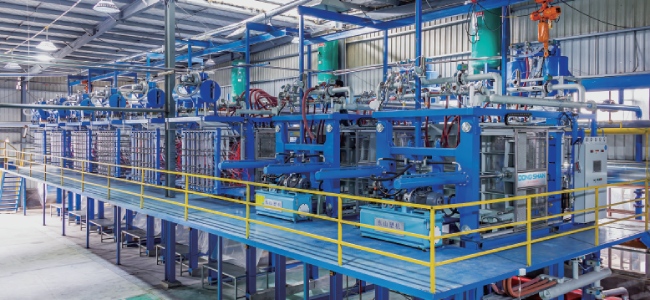



Your foam molding machine squeaks, leaks, and sulks like it’s on strike, and every breakdown eats your time, budget, and patience faster than foam blocks on a busy Monday.
Follow a simple maintenance routine to cut failures, extend lifespan, and boost output—just like manufacturers in this NREL equipment reliability report did.
🛠️ Daily Inspection Checklist for Stable Foam Molding Performance
Daily checks help keep your foam molding machine stable, safe, and productive. Regular attention prevents unexpected failure and protects critical parts from early wear.
Use this checklist at the start of each shift to spot leaks, loose parts, and control issues before they damage your equipment or product quality.
1. Visual and Safety Inspection
Walk around the machine and look for oil drips, damaged hoses, and loose covers. Confirm all guards, doors, and emergency stops work correctly before operation.
- Check safety switches and interlocks
- Inspect cables, connectors, and sensors
- Confirm warning lights and alarms operate
2. Mechanical and Structural Checks
Inspect frames, clamps, and tie-bars for cracks or distortion. Tighten bolts and connections to reduce vibration and protect alignment and mold accuracy.
| Item | Check |
|---|---|
| Clamping unit | Unusual noise or play |
| Mold platens | Flatness and clean surfaces |
| Guide rails | Wear marks or rust |
3. Utilities: Steam, Air, and Water
Confirm steam, compressed air, and cooling water pressure are within set ranges. Look for leaks and clogged filters that may reduce molding stability.
- Check steam traps and valves for leaks
- Drain water separators on air lines
- Verify cooling water flow at inlets and outlets
4. Control Panel and Sensors
Turn on the control system and review alarms, setpoints, and sensor readings. Ensure all values match your foam recipe and product requirements.
| Parameter | Verify |
|---|---|
| Cycle time | Matches production target |
| Steam pressure | Within allowed range |
| Vacuum level | Stable, no sudden drops |
🔧 Lubrication Points and Schedules to Reduce Component Wear
Good lubrication cuts friction, lowers energy use, and protects high-value parts. Follow a clear schedule to extend your foam molding machine’s lifespan.
Use clean, correct-grade grease and oil. Mark each lube point clearly so staff can maintain the same routine on every shift.
1. Main Moving Assemblies
Lubricate tie-bars, guide rails, and hinge joints on a fixed schedule. This reduces metal contact, prevents scoring, and keeps motion smooth and accurate.
- Use recommended grease type
- Remove old dirt before re-greasing
- Do not over-grease; wipe excess
2. Hydraulic and Pneumatic Components
Check oil level and quality in the hydraulic tank. Keep air lubricators filled and filters clean to protect cylinders and valves from wear.
| Component | Interval |
|---|---|
| Hydraulic oil check | Weekly |
| Filter cleaning | Monthly |
| Air lubricator refill | As needed |
3. Lubrication Schedule Efficiency Analysis
Track lubrication tasks and failures together to see how regular care affects downtime, scrap rate, and repair cost over time.
4. Recordkeeping and Training
Create a simple log for all lubrication work. Train operators to spot dry points, strange noises, or heat that may signal lube issues.
- Use checklists with dates and signatures
- Review logs during maintenance meetings
- Adjust intervals based on wear trends
🌡️ Temperature and Pressure Calibration for Consistent Foam Quality
Stable temperature and pressure keep bead expansion and fusion even. Calibrate regularly to reduce warping, voids, and rejected foam parts.
Use trusted gauges and sensors, and document each calibration so you can trace quality issues back to exact settings and dates.
1. Steam and Mold Temperature Control
Check steam pressure and mold surface temperature with calibrated tools. Adjust valves and PID settings so actual values match your process targets.
- Measure at several mold points
- Log warm-up time and stability
- Watch for hot or cold spots
2. Air, Vacuum, and Cooling Balance
Set air blow, vacuum level, and cooling water flow to repeatable ranges. This balance controls density, surface finish, and cycle time.
| Parameter | Impact |
|---|---|
| Vacuum level | Cell structure and fusion |
| Cooling flow | Internal stress and shrinkage |
| Air blow | Demolding and edge quality |
3. Periodic Sensor Calibration and Verification
Compare machine sensors with reference instruments. Replace damaged probes quickly to avoid hidden variation in foam density and dimensions.
- Calibrate pressure transducers
- Check RTDs and thermocouples
- Label next calibration dates clearly
🧹 Cleaning Procedures to Prevent Blockages and Material Residue Buildup
Clean foam molding machines on a schedule to stop bead blockage, valve sticking, and mold vent clogging, which all reduce output and quality.
Focus on material paths, steam passages, and vents so beads, scale, and dust do not collect and restrict flow.
1. Mold Cavities, Vents, and Surfaces
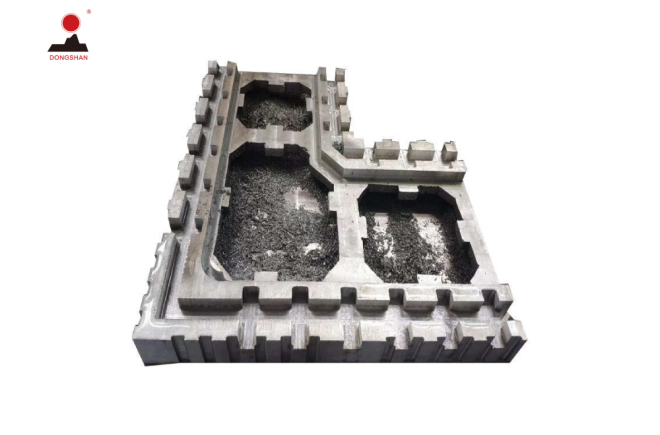
Brush and blow mold vents regularly. Remove build-up from cavity walls so steam and air move freely and parts release smoothly.
- Use soft, non-scratch tools
- Inspect vent holes with light
- Apply mold release only as needed
2. Bead Feeding and Storage Areas
Clean hoppers, pipes, and sieves to prevent blockages and contamination. Keep expanded and raw beads separated and dry for stable molding.
| Area | Cleaning Frequency |
|---|---|
| Feed hopper | Daily |
| Pipes and bends | Weekly |
| Sieves and screens | Weekly |
3. Steam, Water, and Condensate Lines
Flush steam and water lines to remove scale and rust. Maintain traps and filters so heat transfer remains steady and predictable.
- Open drain points on a schedule
- Replace clogged strainers
- Monitor pressure loss over filters
🏭 When Upgrading Parts, Choose Durable Solutions from Dongshan Plastic Machinery
When components age or your demand grows, upgrade to durable, energy-efficient equipment to improve yield, speed, and part accuracy.
Matching your process needs with the right Dongshan Plastic Machinery solution helps extend machine life and support long-term production growth.
1. High-Speed EPP and Complex Shapes
For fast cycles and complex EPP parts, consider High-Speed EPP Automatic Shape Molding Equipment to gain better control, more stable clamping, and consistent bead fusion.
2. Precision Cutting and Mold Preparation
Use an Automatic Wire Cutting Machine for precise foam cutting and mold block shaping, which reduces waste and improves final part fit and finish.
3. Stable Pre-Expansion for EPS Quality
The EPS advanced type automatic pre-expander delivers accurate density control, uniform bead expansion, and better aging, which support higher, repeatable foam quality.
Conclusion
A clear maintenance plan for inspection, lubrication, calibration, and cleaning protects your foam molding machine and improves product consistency.
Combine these daily habits with smart upgrades from Dongshan Plastic Machinery to boost uptime, reduce scrap, and extend equipment lifespan.
Frequently Asked Questions about foam molding machine
1. How often should I perform daily inspections?
Perform basic inspections at the start of every shift. For heavy use, add a quick mid-shift check on temperatures, pressures, and visible leaks.
2. When should I change hydraulic oil?
Most plants change hydraulic oil every 6–12 months, or sooner if tests show contamination, oxidation, or metal particles in the fluid.
3. Why does my foam part density vary?
Density shifts usually come from unstable pre-expansion, steam pressure swings, poor bead aging, or clogged vents. Check these points step by step.
4. How can I reduce machine downtime?
Use fixed maintenance schedules, keep spare key parts, train operators to report issues early, and log all failures to spot repeat causes.
5. Do I need professional calibration?
Yes, critical sensors and gauges should be calibrated by trained staff or certified service. This ensures traceable, reliable readings for quality control.

 Privacy settings