




Designing an EPP line can feel like solving a maze with pipes, wires, and forklifts all arguing about who goes first.
Map utilities and layout together, then size lines and spaces using standards in this ISO factory-planning guide to avoid chaos.
1. 🛠️ Key utilities needed for stable EPP molding line operation
A stable EPP line needs reliable water, air, steam, and power. Well‑designed utilities keep molding cycles stable, cut defects, and support high‑speed automatic machines.
Planning these systems early lets you match pipe sizes, pump capacity, and wiring layout to each molding machine, silo, and pre‑expander for smooth daily operation.
1.1 Cooling water and circulation system
Cooling water keeps mold temperature stable and reduces cycle time. Use a closed loop with water tank, pump, and chiller to protect molds and valves.
- Supply temperature: 15–20°C
- Return temperature: ≤30°C
- Preferred: stainless or PVC pipelines
1.2 Compressed air for valves and de-molding
Clean compressed air drives cylinders, valves, and ejectors on EPS and EPP molding machines. Stable pressure ensures accurate movement and faster product release.
| Parameter | Recommended |
|---|---|
| Working pressure | 0.6–0.8 MPa |
| Air quality | Dry, filtered, oil‑free |
| Storage | Air tank near workshop |
1.3 Steam supply and condensate return
Stable steam pressure heats molds and beads quickly. A good condensate return line saves energy and keeps molding curves consistent across the EPP line.
- Boiler pressure: 0.8–1.2 MPa
- Use insulated steam headers
- Install traps near each molding machine
1.4 Electrical distribution and control
Power lines, MCC panels, and control cables must match total load and future expansion. Keep power, signal, and steam routes clear and easy to maintain.
| Item | Suggestion |
|---|---|
| Voltage | 3‑phase 380–480V, 50/60Hz |
| Cable routing | Overhead trays, clear from heat |
| Reserve | 10–20% spare capacity |
2. ⚙️ Optimal workshop zoning for raw material, molding, and storage areas
Good zoning reduces handling time and keeps beads, steam, and finished parts flowing in one direction. This layout supports clean production and safer forklift traffic.
Plan raw material silos, molding machines, and packing or warehouse zones in clear blocks, with utilities placed in straight, short routes between them.
2.1 Raw material and pre-expansion zone
Place silos, bag storage, and pre‑expanders close to the molding line. Short conveying pipes reduce bead damage, dust, and expansion variation.
- Dry, ventilated bead storage
- Pre‑expander near silo inlets
- Clear floor space for unloading
2.2 Molding and steaming zone
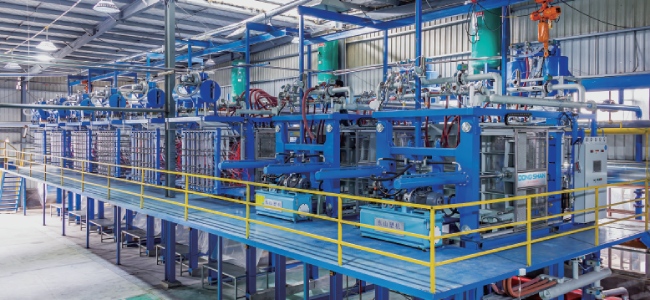
Group molding machines along straight steam, water, and air headers. Keep operators in one clear area for easy supervision and quick changeover.
| Zone | Main Function |
|---|---|
| Molding line A | Short cycle packaging parts |
| Molding line B | Thick insulation blocks |
| Utility corridor | Steam, water, power distribution |
2.3 Curing, storage, and aging zone
Finished products and blocks need space to cool and stabilize. Use racks and clear labels to prevent mix‑ups and reduce forklift travel distance.
- Ventilated curing lanes
- FIFO product racks
- Wide forklift aisles
2.4 Packing, loading, and logistics zone
Set packing tables and wrapping stations close to loading docks. This reduces double handling and lets trucks load directly from finished goods.
| Area | Key Design Point |
|---|---|
| Packing line | Ergonomic height tables |
| Pallet staging | Space for 1–2 truckloads |
| Dock | Safe reversing and turning radius |
3. 🔌 Power, air, and steam configuration standards for EPP production lines
Clear standards for electricity, compressed air, and steam help you size boilers, compressors, and transformers correctly and protect long‑term EPP line stability.
3.1 Power configuration standards
Calculate total motor, heater, and auxiliary loads for each molding line. Add reserve capacity for machines like the EPS Fully Automatic K-Type Shape Molding Machine for Packaging and Insulation.
- Main transformer sized at 1.2 × peak load
- Separate circuits for heaters and drives
- Surge and overload protection on each feeder
3.2 Compressed air configuration standards
Use central compressors with dryers and filters. Confirm each molding machine’s air use and leave margin for tools and future automation devices.
| Item | Standard |
|---|---|
| Pressure drop | <0.1 MPa end‑to‑end |
| Piping | Ring main layout |
| Backup | One standby compressor |
3.3 Steam configuration standards
Steam capacity must cover peak molding, pre‑expansion, and aging needs. Size headers to keep pressure stable even when several machines pulse steam.
- Dedicated molding steam header
- Individual pressure regulators per machine
- Insulated condensate return to boiler
4. 🧱 Safety passages, maintenance spaces, and ergonomic layout in EPP workshops
Safe, ergonomic layouts reduce accidents and downtime. Clear walking routes, access doors, and service spaces help operators and maintenance teams work quickly.
Plan people and forklift paths early. Keep escape routes, eye‑wash points, and fire equipment visible and free from stacked materials.
4.1 Safety passages and emergency routes
Mark main passages with floor lines and signs. Emergency exits must remain open, even during busy production and peak loading times.
- Minimum passage width: 1.5 m
- Exit signs with backup lighting
- Fire points every 25–30 m
4.2 Maintenance and service spaces
Leave enough space around each machine for mold change, cleaning, and valve service. Overhead hoists help handle heavy tools and mold frames.
| Machine Side | Suggested Clear Space |
|---|---|
| Operator side | 1.5–2.0 m |
| Back / utility side | 1.2–1.5 m |
| Mold removal zone | Free area for crane access |
4.3 Ergonomic workstations and material flow
Design trimming, inspection, and packing tables at comfortable height. Keep tools, labels, and film within reach to lower fatigue and raise output.
- Adjustable table height if possible
- Anti‑slip floors in wet areas
- Noise and dust control near crushers
5. 🏭 Why Dongshan Plastic Machinery suits integrated utilities and layout planning
Dongshan Plastic Machinery offers molding machines and engineering support, helping you match utilities, layout, and automation to your target EPP and EPS products.
With rich project experience, the team can support new plants and line upgrades, from concept layout to final commissioning.
5.1 Matching machines to your plant utilities
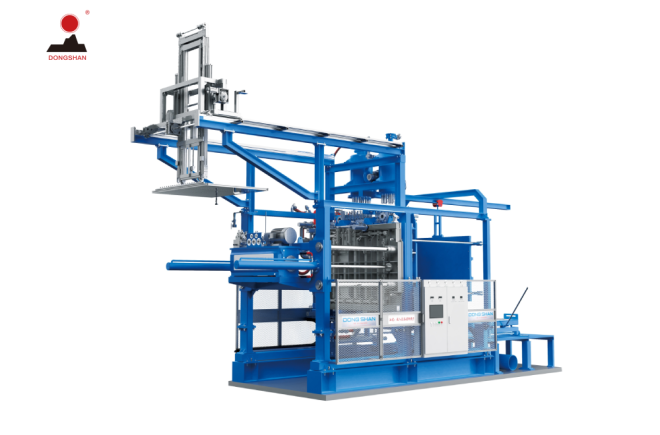
Equipment such as the EPS Fully Automatic X-A Type Shape Molding Machine for Packaging and Insulation is designed with clear steam, air, and power data for easy planning.
- Detailed utility consumption charts
- Stable vacuum and cooling systems
- Energy‑saving cycle control
5.2 Support for efficient workshop layout
Dongshan engineers help position silos, molding lines, crushers, and packing zones, creating simple material flow and balanced steam and air networks.
| Service | Benefit |
|---|---|
| Layout proposal | Shorter piping and cabling |
| Utility routing | Easier installation |
| Startup guidance | Faster stable production |
5.3 Flexible solutions for growth and automation
Systems like the X-B Series Fully Automatic EPS Shape Molding Machine support future upgrades, such as robots, conveyors, and automatic packing.
- Modular utility connections
- Room for extra molding stations
- Options for MES and data links
Conclusion
A well‑planned EPP line starts with clear utility design, safe zoning, and ergonomic flow. Matching boilers, compressors, and power to modern molding machines improves stability and product quality.
With strong layout and utility support, Dongshan Plastic Machinery helps you turn space, steam, and power into real output, lower costs, and easier daily operation.
Frequently Asked Questions about EPP machine
1. What utilities do I need before installing an EPP molding line?
You need stable power, compressed air, steam, cooling water, and drainage. Plan transformer size, boiler capacity, and compressor station before ordering equipment.
2. How much space should I reserve around each EPP molding machine?
Leave at least 1.5–2.0 m on the operator side and about 1.2–1.5 m on the service side, with extra space for mold change and lifting tools.
3. Can I run EPP and EPS products in the same workshop?
Yes, many plants share utilities for both. You must plan enough steam, air, and cooling capacity and keep raw material and product storage clearly separated.
4. How does workshop layout affect energy use?
Shorter steam, air, and water lines reduce pressure and heat loss. Good zoning also cuts forklift travel, which saves time and power.
5. How can Dongshan support my new EPP project?
Dongshan can provide machine selection, utility requirement data, and layout suggestions, then support installation, commissioning, and staff training for a fast, stable start‑up.

 Privacy settings