




Your wallet twitches every time you hear “industrial equipment,” and Styrofoam molding machines sound like they cost more than a sports car with a college degree.
Relax. Compare price tiers, calculate lifetime costs, and follow proven efficiency tips backed by this OECD manufacturing cost report.
📌 Key factors that affect Styrofoam molding machine price ranges
Styrofoam molding machine prices depend on capacity, automation level, energy use, and build quality. Understanding these factors helps you choose a machine with lower lifetime costs.
By comparing technical specs, service support, and expansion options, you can avoid overspending and still secure stable production for packaging, construction, and industrial projects.
1. Production capacity and mold size
Larger block sizes and higher output per hour increase machine cost but can reduce cost per cubic meter when demand is steady and planning is clear.
- Entry output: 10–20 m³/hour
- Mid-range: 25–40 m³/hour
- High-end: 50+ m³/hour
2. Level of automation and controls
Machines with PLC control, recipe memory, and remote monitoring cost more upfront but cut labor, reduce mistakes, and improve cycle stability.
| Automation | Operators/shift | Error risk |
|---|---|---|
| Manual | 2–3 | High |
| Semi-auto | 1–2 | Medium |
| Full auto | 1 | Low |
3. Energy efficiency and steam system
Optimized steam chambers, insulation, and smart valves reduce steam and power bills. Over time, energy-efficient models usually offset their higher purchase price.
- Shorter heating cycles
- Better steam recycling
- Stable foam density
4. Brand reputation and after-sales support
Reliable brands charge more but offer faster parts supply, training, and technical support. This reduces downtime costs and protects your investment.
- Local service team
- Spare parts stock
- Clear warranty terms
💰 Entry-level Styrofoam molding machines and their typical cost brackets
Entry-level Styrofoam molding machines suit small plants or new lines. They offer basic automation, modest capacity, and lower capital cost for cautious investments.
Most buyers use them as a first step, then scale up to higher-output lines once stable orders justify more advanced, energy-saving equipment.
1. Typical price bands for basic EPS block molders
Basic EPS block molding machines usually fall into three price bands based on capacity and simple control features.
| Type | Approx. Price (USD) | Best for |
|---|---|---|
| Compact manual | 20,000–35,000 | Startups |
| Semi-automatic | 35,000–60,000 | Small factories |
| Entry full-auto | 60,000–90,000 | Growing plants |
2. When entry-level is the best choice
Choose entry-level machines if your order volume is small, product mix changes often, or you need to test a new market before heavy spending.
- Limited budget
- Short-term contracts
- Pilot production runs
3. Cost trade-offs versus mid-range models
Cheaper units reduce initial cost but may need more workers, higher power use, and more maintenance. Mid-range units often deliver better cost per ton.
- Higher labor for manual handling
- Slower cycles at peak demand
- Less data for process control
4. Key add-ons worth paying for
Even on entry-level units, invest in essential safety, basic data logging, and simple automation to protect workers and stabilize daily operations.
| Add-on | Benefit |
|---|---|
| Basic PLC | Repeatable cycles |
| Safety guards | Accident reduction |
| Density control | Consistent quality |
📈 Long-term operating costs: power consumption, maintenance, and labor efficiency
Operating costs often exceed purchase price over a machine’s life. Focus on energy, upkeep, and labor needs before choosing your Styrofoam molding equipment.
Smart planning and efficient layout can shrink waste, shorten cycles, and reduce rework, helping you protect margins even when raw material prices rise.
1. Power and steam consumption
Energy accounts for a large share of molding costs. Track kWh per cubic meter of foam and choose insulated, well-controlled chambers.
- Use heat recovery where possible
- Maintain steam traps and valves
- Monitor real-time usage data
2. Planned maintenance versus breakdown repair
Scheduled inspections cost less than sudden breakdowns. A preventive plan keeps parts fresh and reduces scrap from unstable heating or filling.
| Strategy | Downtime | Typical cost |
|---|---|---|
| Preventive | Short, planned | Predictable |
| Reactive | Long, unplanned | High |
3. Labor efficiency and automation gains
Better automation allows fewer operators to manage more machines. This lowers labor per ton and supports consistent quality during long shifts.
- Clear HMI interfaces
- Automatic feeding and discharge
- Standard work instructions
🛠 Cost-saving tips for tooling, spare parts, and routine maintenance
Good planning for tooling and spare parts keeps lines running and lowers scrap. A simple maintenance routine prevents costly emergency shutdowns.
Train operators to spot early issues and track basic KPIs, such as cycle time and reject rate, so you can react before problems grow.
1. Extend mold life and cut tooling costs
Use proper cleaning tools and release agents. Avoid hard scraping that damages cavities and leads to poor surface finish or density variation.
- Schedule mold inspections
- Store molds in dry areas
- Repair damage quickly
2. Smart spare-part stocking strategy
Keep critical parts like valves, seals, and sensors in stock. For non-critical items, rely on fast supplier shipping to reduce inventory costs.
| Part type | Strategy |
|---|---|
| Critical | Keep local stock |
| Standard | Order as needed |
| Rare | Supplier-managed stock |
3. Daily and weekly maintenance routines
Simple checklists for lubrication, leak checks, and filter cleaning reduce failures. Log each task so you can link issues back to missed steps.
- Daily: visual checks and cleaning
- Weekly: tighten fasteners
- Monthly: full system review
🏭 Why Dongshan Plastic Machinery offers better value in total ownership cost
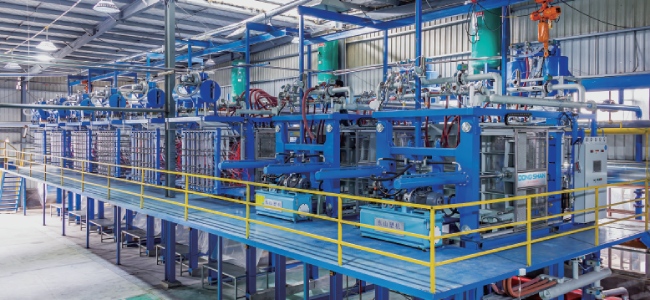
Dongshan Plastic Machinery designs EPS equipment to reduce steam, power, and reject rates, helping you achieve stable output and faster return on investment.
Their integrated product line supports pre-expansion, molding, and cutting, giving you smoother flow and less handling between each production step.
1. Integrated solutions across the EPS line
The High-Capacity Automatic Batch 1500 EPS Pre-expanding Machine for Fast-Cycle Industrial Manufacturing delivers uniform beads, which cut waste and improve bonding in downstream block molding.
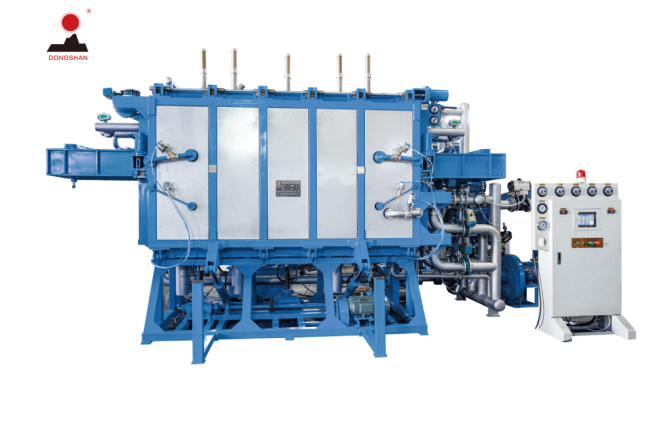
2. High-performance molding and low reject rates
The High-Performance Sliding-Door Adjustable EPS Vertical Block Molding Machine for Low-Reject Industrial Packaging uses efficient steam control to reduce energy use and achieve consistent density.
3. Efficient downstream cutting and finishing
The Industrial Automatic EPS Continuous Cutting Line automates trimming and shaping, lowering labor needs and reducing dust, re-cuts, and block breakage in high-volume plants.
Conclusion
Styrofoam molding machine prices cover only part of your real cost. Energy use, labor, and maintenance soon outweigh the initial investment, especially in busy plants.
By comparing capacity, automation, and service, and by selecting efficient systems like those from Dongshan Plastic Machinery, you can lower lifetime costs and protect profit margins.
Frequently Asked Questions about styrofoam molding machine
1. How much does a Styrofoam molding machine usually cost?
Entry-level machines often range from about 20,000 to 90,000 USD, depending on size, automation level, and basic features such as controls and safety systems.
2. What capacity should I choose for a new plant?
Match capacity to confirmed orders. For startups, 10–25 m³/hour is common. You can later add higher-output machines when demand becomes stable.
3. How can I reduce energy costs in EPS molding?
Use efficient steam systems, maintain insulation, repair leaks quickly, and monitor kWh and steam use per cubic meter to find improvement points.
4. Are high-automation machines worth the higher price?
In most medium and large plants, yes. They cut labor, reduce rejects, and improve consistency, which usually returns the extra cost within a few years.
5. How long can a Styrofoam molding machine last?
With proper maintenance and quality spare parts, a good EPS molding machine can run 10–15 years or more, especially in clean, well-managed facilities.

 Privacy settings