




Your EPS sandwich panel machine squeaks, leaks, and sulks like it’s on strike, and every breakdown waits for the busiest day. Tools scatter, manuals vanish, and somehow the emergency fixes become “permanent solutions.”
This guide turns chaos into control with simple, steady maintenance steps. Follow routine checks, lubrication, and part inspections backed by industry standards, like the regular upkeep guidance from OSHA’s machinery maintenance report, to keep your line running smoothly and safely.
🛠️ Daily Inspection Checklist for EPS Sandwich Panel Machines
Daily checks keep your EPS sandwich panel machine stable, safe, and accurate. A simple routine reduces breakdowns, scrap rate, and unplanned downtime.
Use this checklist at the start of every shift and record findings. Train operators to report issues early and stop production when serious faults appear.
1. Visual and Safety Inspection
Walk around the line before startup. Confirm guards, emergency stops, and warning labels are in place and easy to reach.
- Check oil leaks, loose bolts, and damaged cables.
- Test emergency stop and safety interlocks.
- Verify fire extinguishers and first‑aid access.
2. Air, Steam, and Hydraulic Systems
Stable pressure keeps cutting, forming, and laminating precise. Monitor gauges and drain water from tanks and filters.
| Item | Action |
|---|---|
| Compressors | Check pressure, noise, vibration. |
| Pipes & joints | Listen for leaks and whistling. |
| Valves | Cycle open/close to prevent sticking. |
3. Rollers, Belts, and Cutting Units
Check all moving parts for clean rotation and correct tension to prevent panel defects and misalignment.
- Inspect belts for cracks or fraying.
- Check roller surfaces for glue or EPS build‑up.
- Confirm blade guards and cutting depth settings.
4. Control Panel and Sensors
Reliable controls keep production stable. Check screens, buttons, and alarms before loading material.
| Check Point | What to Verify |
|---|---|
| HMI/PLC | No error codes, normal temperatures. |
| Sensors | Clean lenses, firm wiring. |
| Data logs | Save recipes and backup daily. |
⚙️ Lubrication Points and Optimal Service Intervals for Moving Components
Correct lubrication reduces friction, noise, and wear. Use clean grease and oil that match the machine manual and local climate.
Schedule lubrication by hours of operation, not only calendar days. Track it in a simple chart or maintenance software.
1. Key Lubrication Zones on an EPS Sandwich Panel Line
Focus lubrication on high‑load parts that move often and carry panel weight.
- Conveyor rollers and chain drives.
- Cutting carriage rails and bearings.
- Gearboxes, couplings, and drive shafts.
2. Typical Lubrication Intervals
Intervals depend on working hours, dust, and humidity. Adjust when vibration or noise rises.
| Component | Interval (Guide) |
|---|---|
| Roller bearings | Every 2–4 weeks |
| Chains | Weekly, light oil |
| Gearboxes | Oil change every 6–12 months |
3. Simple Lubrication Data Analysis
Use basic data to see how lubrication affects downtime. Record stoppage minutes before and after a stricter grease schedule.
4. Integration with Related EPS Equipment
Support equipment also needs oil and checks. Maintain your Industrial Air Tank for EPS Machinery and compressors to keep clean, dry air for valves and cylinders.
🔧 Preventing Common Mechanical Failures in EPS Sandwich Panel Production Lines
Most failures grow slowly. Detect small changes in sound, heat, or product quality, then act at once.
Train operators to report issues early and stop the line when safety is at risk.
1. Misalignment and Thickness Variation
Misaligned rollers or guides lead to panel waves and uneven thickness.
- Check panel width and thickness every batch.
- Adjust guides and side fences weekly.
- Verify lamination pressure is even across the width.
2. Cutter and Knife Problems
Dull or loose blades cause rough edges, dust, and poor panel ends.
| Symptom | Action |
|---|---|
| Burrs on edges | Sharpen or replace blades. |
| Panel jams | Check knife timing and speed. |
| High dust | Improve extraction and blade sharpness. |
3. Handling Recycled EPS Properly
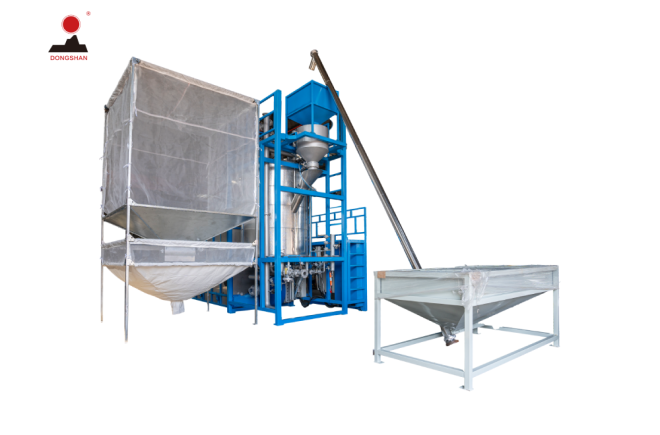
Recycled EPS must be clean and stable to avoid blockages and density swings. Use an EPS Foam Recycling Pelletizer Machine to keep particle size and quality consistent.
🧹 Cleaning Procedures to Protect Electrical Systems and Sensors from Damage
Fine EPS dust and glue mist can block sensors and cause false stops. Clean often with safe tools and methods.
Avoid high‑pressure water near electrical boxes and control cabinets.
1. Safe Cleaning Around Control Cabinets
Keep cabinets closed and dry at all times.
- Use a dry cloth or antistatic brush on the outside.
- Vacuum around cable entries; do not blow air into vents.
- Check door seals and filters monthly.
2. Sensor and Camera Care
Clean optics gently to avoid scratches and wrong readings.
| Device | Cleaning Tool |
|---|---|
| Photoelectric sensor | Soft cloth with mild cleaner |
| Limit switch | Dry brush, no liquid |
| Encoder | Vacuum nearby dust only |
3. Dust Control on the Line
Reduce dust at the source to protect electronics and improve air quality.
- Install extraction near cutters and trim stations.
- Empty dust bags before they are full.
- Inspect ducts for leaks and blockages.
✅ When to Replace Worn Parts and Why Choose Dongshan Plastic Machinery
Planned replacement cuts emergency stops and protects expensive parts. Use wear limits from the manual and real measurements.
Keep a list of critical spare parts and review it every quarter.
1. Practical Replacement Rules
Replace parts based on hours, condition, and impact on safety or product quality.
| Part | Key Sign of Wear |
|---|---|
| Bearings | Noise, heat, vibration |
| Belts & chains | Cracks, stretch, slip |
| Seals | Oil leaks, dirt inside |
2. Benefits of Dongshan Upgrades
Dongshan Plastic Machinery offers robust spare parts and upgrades such as a New type Quick mold changing machine to cut changeover time and reduce risk during mold handling.
3. Service Support and Lifecycle Planning
Work with Dongshan engineers on yearly audits, training, and spare‑part kits. This keeps your EPS sandwich panel line reliable and ready for higher output.
Conclusion
Consistent maintenance keeps EPS sandwich panel machines safe, efficient, and accurate. Simple daily checks, clean lubrication, and smart cleaning routines prevent most breakdowns and extend machine life.
Plan inspections, track data, and partner with a trusted supplier for parts and upgrades. Your line will run smoother, produce better panels, and deliver stronger profits.
Frequently Asked Questions about eps sandwich panel machine
1. How often should I service an EPS sandwich panel machine?
Do daily checks each shift, weekly cleaning and adjustments, and a detailed mechanical and electrical service every 6–12 months, based on running hours.
2. What lubrication should I use on rollers and chains?
Use high‑quality lithium grease for bearings and light chain oil for chains. Always follow the machine manual and local climate recommendations.
3. Why do my panels show uneven thickness?
Main causes are misaligned rollers, wrong lamination pressure, or worn bearings. Check alignment, pressure settings, and bearing play, then adjust or replace as needed.
4. How can I reduce EPS dust on the line?
Keep cutters sharp, use proper extraction near cutting points, clean filters often, and avoid blowing dust into cabinets with compressed air.
5. When should I replace bearings instead of just regreasing them?
If bearings stay noisy or hot after greasing, show visible play, or cause vibration at normal speed, replace them immediately to protect shafts and gearboxes.

 Privacy settings