




Understanding thermocol shape moulding machines: An In-Depth Exploration
Introduction to Thermocol Shape Moulding Machines
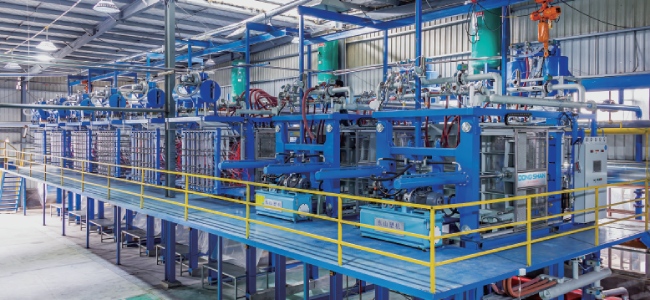
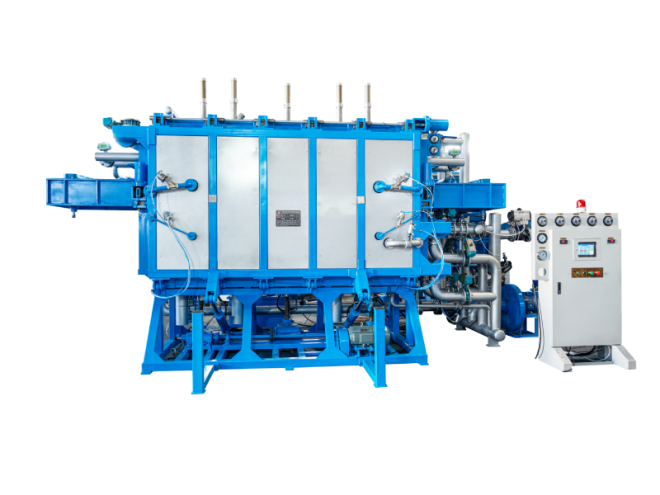
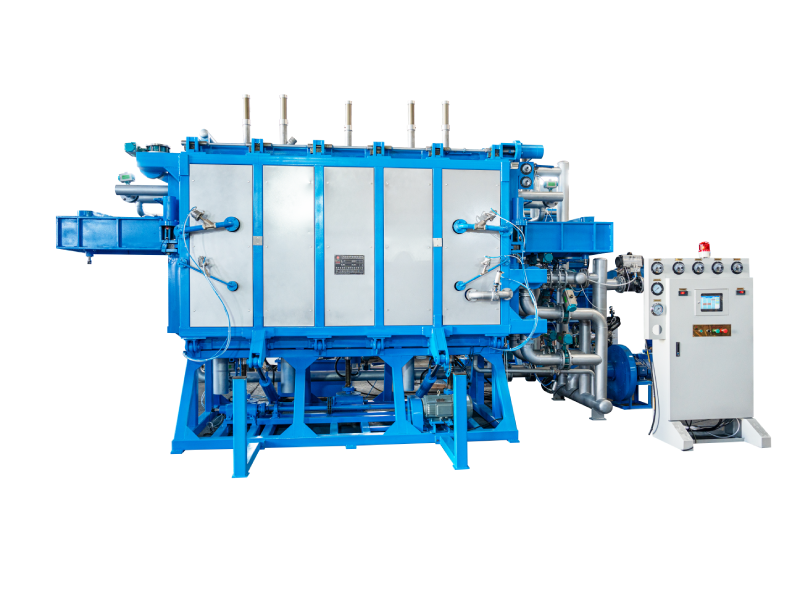
In the realm of modern manufacturing, the thermocol shape moulding machine stands as a pivotal technological advancement. These machines are essential for producing a variety of foam products used in packaging, insulation, and more. The high demand for these machines is driven by their ability to efficiently and precisely craft thermocol into desired shapes, meeting the growing needs of industries worldwide.
● Overview of Thermocol Material
Thermocol, also known as expanded polystyrene (EPS), is a lightweight and versatile material that is widely used across multiple sectors. Its unique properties, including excellent thermal insulation and cushioning capabilities, make it an ideal choice for a variety of applications. The significance of EPS in modern manufacturing cannot be overstated, as it provides the foundation upon which thermocol shape moulding machines operate.
Technological Integration in Moulding Machines
● Role of PLC and Touch Screen Technology
The integration of advanced technologies such as Programmable Logic Controllers (PLC) and touch screen interfaces has revolutionized the functionality of thermocol shape moulding machines. These components facilitate precise control over the moulding process, allowing operators to easily switch between different operating modes. The combination of these technologies ensures that the machines operate smoothly and efficiently, adapting to various production needs.
● Modes of Operation: Automatic, Semi-Automatic, Manual
Thermocol shape moulding machines are designed to work in three primary modes: automatic, semi-automatic, and manual. Each mode offers distinct advantages depending on the production requirements. Automatic mode is ideal for high-volume productions, while semi-automatic and manual modes provide greater control for specialized tasks. This versatility makes these machines highly sought after in diverse manufacturing settings.
Efficient Operation with Hydraulic Systems
● Fast/Slow Differential Hydraulic Systems
Hydraulic systems play a crucial role in the operation of thermocol shape moulding machines. These systems incorporate fast/slow differential mechanisms that enable precise control over the mould opening and closing processes. By adjusting the hydraulic pressure, the machines can achieve optimal performance with minimal energy consumption.
● Precision in Mould Opening and Closing
Achieving precise timing in mould opening and closing is essential for producing high-quality thermocol products. Hydraulic systems enable the machines to execute these actions with remarkable accuracy, ensuring consistent product quality and reducing the risk of defects. This precision is a key factor that distinguishes high quality thermocol shape moulding machines from their competitors.
Innovative Heating and Cooling Techniques
● Various Heating Methods and Their Benefits
Thermocol shape moulding machines offer a range of heating methods to accommodate different product requirements. These methods include steam heating and electrical heating, each with its own set of benefits. Steam heating is particularly advantageous for its energy efficiency, while electrical heating provides precise temperature control. The choice of heating method directly impacts the quality and efficiency of the moulding process.
● Vacuum Systems for Rapid Shaping and Drying
Incorporating vacuum systems into thermocol shape moulding machines significantly enhances the moulding process. These systems enable rapid shaping and drying of the thermocol, reducing production times and increasing throughput. By ensuring low water content and quick drying periods, vacuum systems improve the overall quality and durability of the final products.
Energy Optimization in Moulding Processes
● Large Diameter Steam Valve Advantages
Energy efficiency is a critical consideration in the design of thermocol shape moulding machines. The use of large diameter steam valves is one innovation that contributes to reduced heating times and energy consumption. By optimizing the flow of steam, these machines can achieve efficient heating, ultimately lowering operational costs and environmental impact.
● Balancing Steam and Air Pressure for Efficiency
Thermocol shape moulding machines are equipped with systems that balance steam and air pressure to maximize energy efficiency. By carefully controlling these pressures, the machines can reduce energy consumption without compromising on performance. This balance is essential for achieving cost-effective and sustainable operations, making them the best thermocol shape moulding machines for eco-conscious manufacturers.
Multifunctional Control Systems in Moulding
● Use of Schneider Programmable Controllers
The integration of high-quality components such as Schneider programmable controllers enhances the functionality and reliability of thermocol shape moulding machines. These controllers offer advanced features that allow for precise control over the production process, ensuring consistent product quality and adaptability to different mould designs.
● Compatibility with Diverse EPS Foam Products
Thermocol shape moulding machines are designed to accommodate a wide range of EPS foam products. This compatibility is achieved through multifunctional control systems that allow for easy customization and adjustment of the moulding parameters. As a result, manufacturers can efficiently produce various shapes and sizes of thermocol products, catering to diverse market demands.
Structural Durability and Stability
● Steel Plate Welding for Robust Machine Frames
Durability is a key characteristic of high quality thermocol shape moulding machines. The use of steel plate welding in the construction of machine frames provides exceptional strength and stability. This robust construction ensures that the machines can withstand the rigors of continuous operation, minimizing maintenance requirements and extending their lifespan.
● Self-Lubricating Components to Reduce Wear
To enhance the longevity and performance of thermocol shape moulding machines, manufacturers incorporate self-lubricating components. These components reduce wear and tear, ensuring smooth operation over extended periods. This feature is particularly important for maintaining the efficiency and reliability of the machines, solidifying their position as the best thermocol shape moulding machines available.
Customizable Machine Parameters and Specifications
● Standard Mold Sizes and Product Dimensions
Thermocol shape moulding machines offer flexibility in terms of mold sizes and product dimensions. Manufacturers can select from a variety of standard mold sizes or customize them to meet specific production needs. This adaptability allows for the efficient creation of a wide range of thermocol products, enhancing the machines' appeal to various industries.
● Impact of Mold Opening Distance on Performance
The mold opening distance is a crucial parameter that influences the performance of thermocol shape moulding machines. By precisely controlling this distance, manufacturers can optimize the quality and efficiency of the moulding process. This level of customization ensures that these machines remain the preferred choice for manufacturers seeking high-quality thermocol shape moulding machines.
Applications of Thermocol Moulding Machines
● Industries and Products Benefitting from Usage
Thermocol shape moulding machines serve a multitude of industries, including packaging, construction, and electronics. Their ability to produce customized thermocol products makes them indispensable in these sectors. From protective packaging materials to insulation panels, the applications of these machines are virtually limitless, underscoring their value in modern manufacturing.
● Custom Solutions for Specialized Applications
In addition to standard applications, thermocol shape moulding machines can be tailored to address specialized requirements. Whether it's producing intricate designs for electronic components or developing unique shapes for architectural projects, these machines offer the flexibility to deliver custom solutions. This adaptability positions them as essential tools for manufacturers seeking to innovate and differentiate their offerings.
Conclusion: Future of Thermocol Shape Moulding
● Advancements on the Horizon
The future of thermocol shape moulding machines is bright, with ongoing advancements in technology and materials. As manufacturers continue to innovate, we can expect machines that offer even greater efficiency, precision, and versatility. These developments will further solidify the role of thermocol shape moulding machines in the manufacturing landscape, meeting the evolving demands of industries worldwide.
● Trends Shaping the Development of Moulding Technology
Several trends are shaping the future of thermocol shape moulding technology, including sustainability, automation, and digitalization. Emphasizing energy efficiency and eco-friendly practices, manufacturers are developing machines that minimize environmental impact. The integration of automation and digital technologies promises to enhance production efficiency and product quality, ensuring that thermocol shape moulding machines remain at the forefront of manufacturing innovation.
Company Introduction: Dongshan EPS Machinery
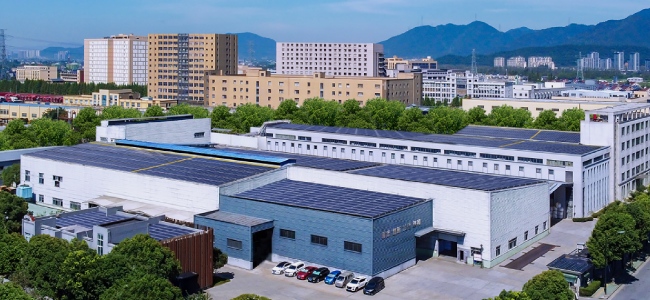
Hangzhou Fuyang Dongshan Plastic Machinery Co., Ltd. is a leading manufacturer specializing in EPS and EPP foam plastics machinery for nearly 20 years. With a focus on independent R&D, manufacturing, sales, and service, Dongshan EPS Machinery is strategically located in Hangzhou, China, near key ports for efficient export. The company is recognized for its commitment to quality, holding CE and ISO9001-2008 certifications. Known for its innovation, Dongshan offers a wide range of machinery, including Auto Block Moulding Machines and Cutting Machines, exported to over 50 countries worldwide.

 Privacy settings