




Introduction to EPS Moulding Machines
● Definition and Primary Functions
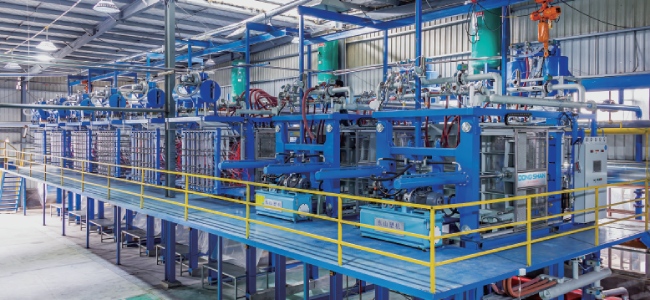
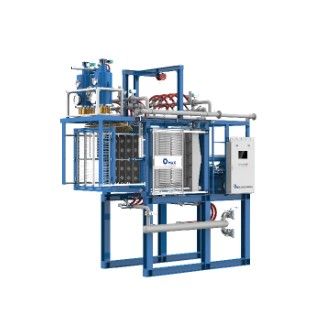
In the realm of manufacturing and product design, the EPS moulding machine has emerged as a transformative piece of technology. Expanded Polystyrene (EPS) moulding machines are specialized equipment designed to shape EPS beads into various forms and sizes. These machines are pivotal in the production of numerous EPS products used in diverse industries such as packaging, construction, automotive, and more. EPS, known for its lightweight and excellent insulating properties, finds a wide range of applications, making the role of EPS moulding machines crucial in modern manufacturing.
● Brief History and Development
The development of EPS moulding machines can be traced back to the increasing demand for efficient and cost-effective manufacturing processes in the mid-20th century. Initially designed for simple shapes, these machines have evolved to incorporate advanced technologies such as automated controls and precision mechanisms, allowing for the production of complex and high-quality EPS products. Companies like Dongshan EPS Machinery have been at the forefront of this evolution, offering high-quality kurtz eps moulding machines that set industry standards for performance and reliability.
Components of an EPS Moulding Machine
● Major Parts and Their Roles
An EPS moulding machine comprises several critical components, each playing a unique role in the moulding process. These components typically include:
- Pre-expander : This is where the raw polystyrene beads are initially expanded using steam.
- Mould : The expanded beads are transferred into moulds that shape the EPS products.
- Steam Chamber : Provides the necessary heat to further expand and fuse the beads together.
-Cooling System : Ensures that the moulded EPS is cooled and solidified properly.
-Ejection System : Safely removes the finished EPS product from the mould.
● Technological Advancements in Components
Modern EPS moulding machines incorporate advanced technologies to enhance efficiency and product quality. Innovations such as automated control systems, precise temperature regulation, and energy-saving mechanisms have significantly improved the performance of these machines. The best Kurtz EPS moulding machines, for instance, are equipped with state-of-the-art components that ensure consistent quality and operational efficiency.
Working Principle of EPS Moulding Machines
● Step-by-Step Process
The operation of an EPS moulding machine involves several key steps, each crucial for producing high-quality EPS products. These steps include:
● Pre-expansion
The process begins with pre-expansion, where raw polystyrene beads are subjected to steam in a pre-expander. This causes the beads to expand and become porous, preparing them for the moulding process.
● Filling the Mould
Once pre-expanded, the beads are transferred into the mould of the machine. The mould is designed to ensure uniform filling, which is essential for producing consistent and high-quality products.
● Steam Application
After the mould is filled, it is closed, and steam is applied. The steam causes the beads to expand further and fuse together, taking the shape of the mould. This step is critical in defining the final shape and properties of the EPS product.
● Cooling
Following the steam application, the moulded EPS needs to be cooled. This is achieved by circulating cold water or air around the mould, ensuring that the product solidifies properly.
● Ejection
Once the cooling phase is completed, the moulded EPS shape is ejected from the machine. The ejected product is then ready for further processing or packaging.
Applications of EPS Moulding Machines
● Packaging Materials
EPS moulding machines play a vital role in producing packaging materials for various products. Due to its excellent cushioning properties, EPS packaging is widely used for protecting electronics, appliances, and fragile goods during transportation.
● Protective Gear
The ability to mould EPS into precise shapes makes it suitable for manufacturing protective gear such as helmets. The lightweight yet sturdy nature of EPS provides effective protection without adding significant weight, making it ideal for sports and safety equipment.
● Construction and Decorative Items
In the construction industry, EPS moulding machines are used to produce insulation panels and blocks. These EPS products offer superior thermal insulation, contributing to energy efficiency in buildings. Additionally, EPS can be moulded into decorative items, enhancing aesthetic appeal while maintaining functionality.
Advantages of Using EPS Moulding Machines
● Efficiency in Production
One of the primary advantages of EPS moulding machines is their efficiency. These machines can produce large quantities of EPS products in a short time, significantly reducing production costs and time. Automated processes and precision controls ensure that each product meets exact specifications.
● Cost-effectiveness
The cost-effectiveness of EPS moulding machines lies in their ability to produce high-quality products with minimal waste. The recycling capabilities of EPS further enhance this advantage, making it an environmentally friendly choice for manufacturers.
● Versatility in Applications
EPS moulding machines are incredibly versatile, capable of producing a wide range of products to meet diverse industry needs. From packaging and insulation to automotive components and decorative items, the adaptability of these machines is unmatched.
Different Types of EPS Moulding Machines
● Classification Based on Functions
EPS moulding machines can be classified based on their functions and capabilities. Common types include:
- Block Moulding Machines : Used for producing large EPS blocks that can be cut into various shapes.
- Shape Moulding Machines : Designed to create specific shapes and sizes, ideal for custom products.
- Cutting Machines : Used to cut EPS blocks into desired shapes and sizes post-moulding.
- Recycling Machines : Facilitate the recycling of EPS waste, ensuring sustainability.
● Key Differences and Special Features
Each type of EPS moulding machine offers unique features tailored to specific applications. For instance, the best Kurtz EPS moulding machines come with advanced control systems for precise moulding, energy-saving features, and robust construction for durability. When selecting a machine, understanding these differences is crucial for optimizing production processes.
Choosing the Right EPS Moulding Machine
● Factors to Consider
Selecting the right EPS moulding machine involves considering various factors, including:
- Production Capacity : Determine the volume of EPS products needed to match production goals.
- Flexibility : Assess the machine's ability to handle different moulds and produce various shapes.
- Energy Efficiency : Consider machines with energy-saving features to reduce operational costs.
- Reliability : Evaluate the machine's reliability and the manufacturer's reputation.
● How to Match Machine Capabilities with Production Needs
Matching machine capabilities with production needs requires a thorough understanding of the manufacturing process and the specific requirements of the products being made. Consulting with EPS moulding machine suppliers like Kurtz can provide valuable insights and help in selecting the most suitable machine for your needs.
Maintenance and Troubleshooting
● Routine Maintenance Tips
Regular maintenance is essential for ensuring the longevity and optimal performance of EPS moulding machines. Routine maintenance tips include:
- Cleaning : Regularly clean the machine components to prevent blockages and contamination.
- Inspection : Conduct periodic inspections to identify and address wear and tear.
- Lubrication : Ensure moving parts are properly lubricated to reduce friction and wear.
- Calibration : Regularly calibrate control systems to maintain precision in production.
● Common Issues and Their Solutions
Despite regular maintenance, issues may arise with EPS moulding machines. Common issues and their solutions include:
- Uneven Moulding : Check for blockages in the filling system and ensure uniform bead distribution.
-Cooling Problems : Ensure the cooling system is functioning correctly and the coolant is at the right temperature.
- Ejection Issues : Inspect the ejection mechanism for any obstructions or mechanical faults.
Market Trends and Future Prospects
● Current Industry Trends
The EPS moulding machine industry is witnessing several trends, including:
- Automation : Increasing adoption of automated systems for enhanced efficiency and precision.
- Sustainability : Growing focus on environmentally friendly practices, including recycling capabilities.
- Customization : Demand for machines capable of producing customized EPS products.
● Innovations and Future Developments
Future developments in the EPS moulding machine market are expected to focus on further enhancing automation, energy efficiency, and sustainability. Innovations such as AI-driven control systems, advanced materials, and improved recycling technologies are likely to shape the future of this industry. Companies like Kurtz are leading the way with their high-quality EPS moulding machines, setting benchmarks for innovation and performance.
Conclusion and Summary
The EPS moulding machine is a cornerstone of modern manufacturing, offering efficient, precise, and versatile solutions for producing a wide range of EPS products. From packaging materials and protective gear to construction and decorative items, the applications of these machines are vast. With advancements in technology and growing focus on sustainability, the importance of EPS moulding machines will continue to rise. High-quality Kurtz EPS moulding machines exemplify the best in the industry, providing manufacturers with reliable and efficient options to meet their production needs.
Dongshan EPS Machinery
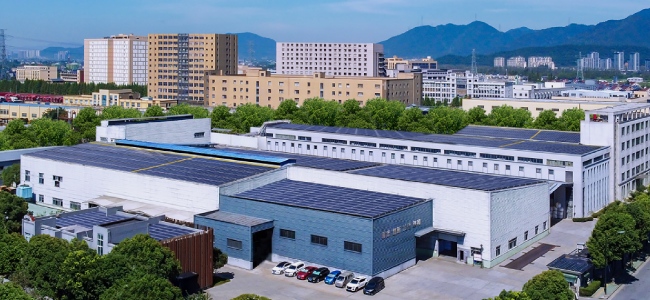
Hangzhou Fuyang Dongshan Plastic Machinery Co., Ltd. specializes in manufacturing EPS and EPP foam plastics machines for nearly 20 years, integrating independent R&D, manufacturing, sales, and service. Located in Hangzhou, the company benefits from proximity to major ports like Shanghai and Ningbo. Since 2007,
Dongshan EPS Machinery has passed CE certification and ISO9001-2008 quality management system certification, earning recognition as a high-tech enterprise and a well-known brand. Dongshan focuses on quality and innovation, exporting to over fifty countries worldwide.

 Privacy settings