




Struggling to predict EPS pre expander demand for 2026 feels like trying to steam beads with a hair dryer—noisy, slow, and everyone’s just guessing which way the market will puff up next.
You can calm the foam-fueled chaos by using clear market data, capacity benchmarks, and pricing trends from reliable industrial studies like this EPS industry outlook, then aligning your investment plan with those projections.
📈 Global demand trends for EPS pre expander machines in 2026
In 2026, global demand for EPS pre expander machines rises as packaging, construction, and insulation sectors seek higher productivity, lower costs, and stable foam quality across regions.
Manufacturers upgrade to automated, data-driven systems to handle flexible batch sizes, faster cycles, and strict density control, while buyers compare total lifecycle cost and energy use.
1. Rising demand from construction and insulation
Green building codes and energy-saving rules increase EPS insulation use, pushing factories to add or replace pre expanders to meet stable density and stronger panel requirements.
- Stricter insulation standards in Europe and North America
- Rapid urban growth in Asia-Pacific and Latin America
- More EPS use in roof, wall, and floor systems
2. Packaging sector focusing on light weight and protection
E‑commerce, home appliances, and electronics need light but strong packaging. This drives demand for precise control of bead expansion and uniform cell structure.
| Segment | Key Need |
|---|---|
| E‑commerce | Fast cycle, low density, repeatable batches |
| Electronics | High shock absorption, tight size control |
| Appliances | Thicker parts, stable long-term insulation |
3. Shift toward automated and intelligent systems
Factories replace older units with intelligent pre expanders that offer recipe storage, automatic density feedback, and easy integration into MES and ERP systems.
- Automatic density monitoring and correction
- Central control of multiple pre expanders
- Remote support and software upgrades
4. Regional investment and capacity expansion
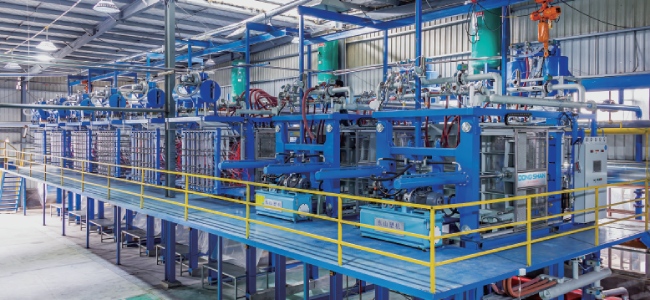
Producers in Asia, Middle East, and Eastern Europe expand EPS capacity. They favor high-throughput models such as the High-Capacity Automatic Batch 1500 EPS Pre-expanding Machine for Fast-Cycle Industrial Manufacturing.
- Large new plants supplying regional packaging hubs
- Shorter payback periods through energy savings
- Focus on easy operation and stable uptime
🏭 Technological upgrades improving efficiency and stability of EPS pre expander machines
In 2026, EPS pre expanders use better control systems, optimized steam paths, and stronger mechanical parts to boost yield, reduce downtime, and cut waste.
Producers choose advanced models like the EPS advanced type automatic pre-expander to gain finer density control and more stable continuous production.
1. Smarter control and automation
Modern PLCs and friendly HMI panels allow easy recipe management, faster setup, and stable density, even across different bead types and moisture conditions.
- Automatic start and stop sequences
- Real-time steam and air adjustment
- Alarm history and trend reports
2. Optimized steam and air systems
New valve designs and better piping layouts cut steam loss and improve energy transfer, so beads expand evenly while using less steam and compressed air.
| Upgrade | Main Benefit |
|---|---|
| Proportional steam control | Stable density and smoother cycles |
| Improved fluidized bed | Better drying and bead stability |
| Insulated piping | Reduced heat loss and lower bills |
3. Data analysis and predictive maintenance
Users log key process data to track density, cycle time, and downtime. They then use charts to guide settings and plan maintenance before failures occur.
4. Higher throughput with stable quality
Advanced pre expanders handle larger batch sizes while keeping density within narrow limits, which supports faster molding and reduces scrap in downstream steps.
- Higher output per hour without overloading staff
- Lower density variation between batches
- Shorter curing time before molding
🌱 Energy saving and environmental requirements shaping EPS pre expander machine design
Energy prices and stricter emission rules push EPS producers to choose pre expanders that use less steam, optimize air, and recover heat.
Designers focus on smart controls, insulation, and environmental compliance to cut costs and help factories meet local and global standards.
1. Lower steam and power consumption
New machines use better insulation and control to cut steam and power use per cubic meter of expanded beads, improving competitiveness and reducing emissions.
| Measure | Benefit |
|---|---|
| Insulated chamber | Less heat loss |
| Variable-speed fans | Lower power draw |
| Steam flow optimization | Reduced waste steam |
2. Cleaner production and compliance
Manufacturers design machines to meet local safety and environmental laws, including better dust control, noise reduction, and safe handling of pentane gas.
- Improved ventilation around pre expanders
- Explosion-proof electrical parts where needed
- Easy integration with plant safety systems
3. Support for circular and green products
Stable density and low defect rates help plants produce EPS parts that support recycling plans and reduce material waste across the product lifecycle.
- Lower scrap rate at molding stage
- Better bead fusion for long service life
- Consistent quality for certified green projects
🔧 Key maintenance practices to extend EPS pre expander machine service life
Good maintenance keeps EPS pre expanders safe, reliable, and efficient, cutting unplanned downtime and protecting sensitive control and steam components.
Clear routines and trained operators help plants maintain stable density and output while extending machine life.
1. Daily checks and cleaning
Operators should inspect valves, level sensors, and filters each shift, removing dust and bead residues before they cause blockage or unstable operation.
- Check for leaks in steam and air lines
- Clean level probes and filter screens
- Confirm alarms and safety interlocks work
2. Scheduled service on steam and air systems
Regularly test safety valves, repair worn seals, and calibrate flow devices. This keeps energy use low and protects both beads and equipment.
| Interval | Task |
|---|---|
| Weekly | Check steam traps and condensate return |
| Monthly | Inspect air blower belts and bearings |
| Quarterly | Calibrate pressure and temperature sensors |
3. Digital monitoring and spare parts planning
Use machine data to plan service and keep key spare parts in stock. This avoids long stops and keeps density and cycle times stable.
- Monitor runtime and cycle counts
- Track alarms by type and frequency
- Stock critical valves, sensors, and seals
✅ Why Dongshan Plastic Machinery leads EPS pre expander machine market in 2026
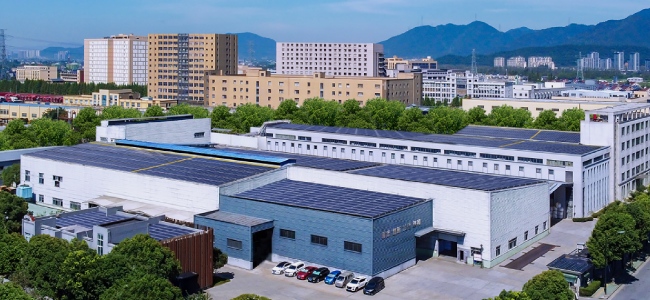
Dongshan Plastic Machinery stands out in 2026 by combining high output, precise density control, and energy-efficient design across its EPS pre expander range.
The company offers strong technical support and customized solutions for packaging, insulation, and industrial EPS producers worldwide.
1. Advanced product portfolio
Dongshan provides machines for different plant sizes, from flexible batch lines to intelligent, fully automatic models with integrated data and recipe control.
- Fast-cycle high-capacity models for large plants
- Compact units for flexible or niche production
- Support for a wide range of EPS raw materials
2. Intelligent control and precise material handling
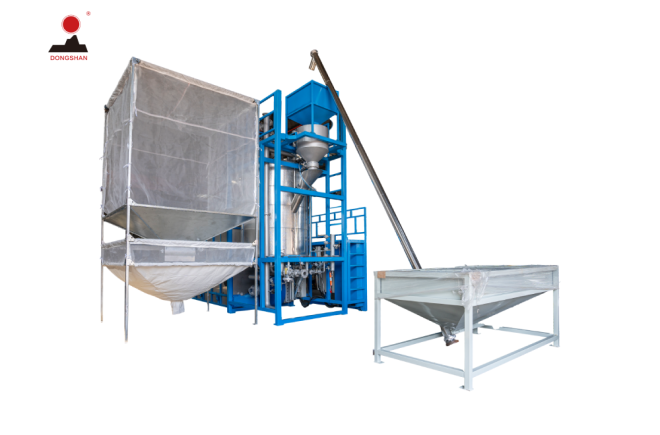
Solutions such as the EPS Intelligent Automatic Pre-Expander with Precise Material Control help plants achieve repeatable density and low waste, even with frequent recipe changes.
| Capability | Value |
|---|---|
| Accurate weighing and feeding | Stable bead expansion |
| Auto density feedback | Reduced operator intervention |
| Data logging | Better process optimization |
3. Global support and long-term partnership
Dongshan offers installation guidance, training, and after-sales service that help customers cut downtime and get the best performance in 2026 and beyond.
- Remote diagnosis and software updates
- Spare parts supply and technical training
- Process consulting for new EPS products
Conclusion
By 2026, EPS pre expander machines must deliver energy savings, reliable density control, and high throughput to stay competitive in a stricter global market.
Technology leaders like Dongshan Plastic Machinery help producers reduce costs, meet environmental rules, and keep stable quality across both packaging and insulation applications.
Frequently Asked Questions about pre expander machine
1. What does an EPS pre expander machine do?
An EPS pre expander heats and expands raw EPS beads with steam to a set density, then stabilizes them for later molding into blocks or shaped parts.
2. How do I choose the right pre expander capacity?
Match machine output to your daily EPS volume, product mix, and planned growth. Also consider available steam, air, and space, plus automation needs.
3. How often should I maintain an EPS pre expander?
Perform daily visual checks and cleaning, weekly function tests, and deeper monthly or quarterly inspections of steam, air, and control systems.
4. Can a pre expander reduce my energy costs?
Yes. Newer machines with optimized steam control, insulation, and intelligent fans can significantly cut steam and power use per cubic meter of beads.
5. Why upgrade to an intelligent automatic pre expander?
Intelligent machines improve density accuracy, log process data, reduce operator errors, and support faster recipe changes, which cuts waste and boosts overall plant efficiency.

 Privacy settings