




You want a Styrofoam machine in 2026, but every brochure sounds like it was written by a robot who sells spaceships, not packaging gear. Choosing models, power levels, and safety features feels like translating alien tech manuals.
This guide makes the buying process simple, comparing machine types, costs, and safety rules in clear language, and aligning your choice with current environmental standards like those discussed in the U.S. EPA report.
🧩 Key Styrofoam Machine Types and Their Core Applications in 2026
In 2026, styrofoam machines focus on higher automation, smart control, and lower energy use. Choosing the right type directly impacts quality, cost, and output.
Match machine type to your products: insulation boards, packaging, architectural profiles, or CNC‑cut parts. This alignment keeps your investment efficient and future‑proof.
1. EPS Block Molding Machines for High-Volume Insulation
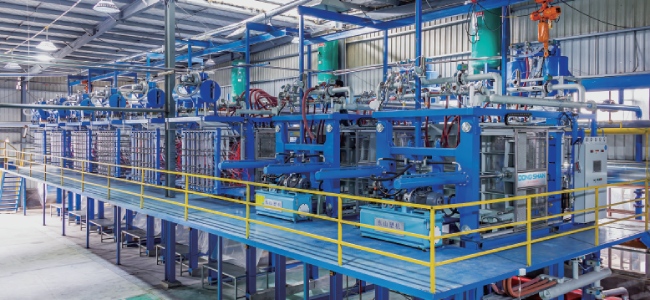
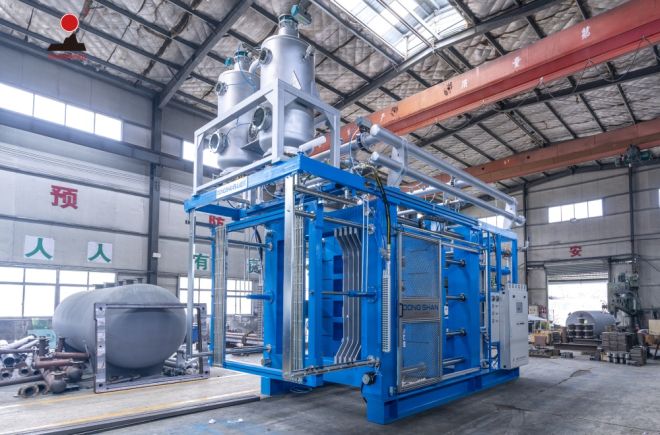
Block molding machines create large EPS blocks for cutting into panels and packaging. Options like the EPS Horizontal Block Molding Machine with Air Cooling & Vacuum System give stable density and fast cycle times.
- Best for: wall and roof insulation, floor panels
- Key gain: strong blocks with low steam and power use
2. Vertical Vacuum Block Systems for Tight Space and Flexibility
The EPS vertical block molding machine with vacuum saves floor space and offers adjustable block sizes. It suits factories that change product sizes often.
- Compact layout, easy line planning
- Vacuum system improves drying and reduces defects
3. Automatic Cutting Lines for Accurate, Fast Sizing
An Industrial Automatic EPS Continuous Cutting Line converts blocks into sheets, strips, or profiles. Automated loading and stacking cut labor and improve repeat accuracy.
| Feature | Benefit |
|---|---|
| Continuous cutting | Higher throughput |
| Servo control | Precise dimensions |
4. Specialized and CNC Styrofoam Shaping Equipment
CNC contour cutters and shape molding machines serve custom packaging, decorative elements, and EPS inserts. They work best alongside standard block and cutting lines.
- 3D contour cutting for complex shapes
- Ideal for small-batch, high‑value orders
⚙️ Critical Technical Specifications to Compare Before Choosing Dongshan Plastic Machinery
Before buying, compare power use, capacity, density range, and control systems. These factors decide your running costs, quality stability, and upgrade path.
Focus on numbers you can measure: kWh per cubic meter, steam use, cycle time, and labor per ton. Strong data helps you defend your investment plan.
1. Production Capacity and Cycle Time
Check block size, cycles per hour, and cutting speed. Higher capacity supports growth but must match your steam, power, and storage limits.
| Spec | Impact |
|---|---|
| Block size | Planning yield and storage |
| Cycle time | Daily output |
2. Energy and Steam Consumption Benchmarks
Compare kWh and steam per cubic meter of EPS. Dongshan machines typically lower these values with optimized heating, vacuum, and insulation.
3. Control Systems, Automation, and Data Logging
Modern styrofoam machines use PLC, touch screens, and recipe storage. Look for remote diagnostics and data logs to support lean production.
- Recipe-based control for different densities
- Alarms and trend charts for easier troubleshooting
4. Material Flexibility and Density Range
Confirm supported EPS grades and density range. Wide ranges help you cover insulation, packaging, and light structural foam with one main line.
| Density Range | Typical Use |
|---|---|
| 8–15 kg/m³ | Building insulation |
| 16–25 kg/m³ | Packaging and impact pads |
🌱 Energy Efficiency, Emissions, and Environmental Compliance Standards You Must Understand
Stricter 2026 rules demand lower emissions and better resource use. Your styrofoam machine should support energy saving, recycling, and clean steam handling.
Choosing efficient Dongshan machines helps you pass audits, gain green building projects, and lower long‑term operating risk.
1. Energy-Saving Designs and Heat Recovery
Look for well‑insulated chambers, smart heating curves, and condensate recovery. These features reduce power and fuel demand without harming product quality.
- Lower boiler load
- More stable foam structure
2. Emission Controls and Waste Management
Modern EPS lines must handle pentane safely and control boiler exhaust. Plan for dust collection and off‑cut recycling to protect air and workers.
| Area | Action |
|---|---|
| Dust | Install filters and regular cleaning |
| Scrap | Crush and reuse in fresh blocks |
3. Global and Local Compliance Requirements
Check CE, ISO, and local energy labels. Dongshan can adjust designs for different regions, helping you pass inspections on the first attempt.
- Support for documentation and layouts
- Helps avoid project delays
🛡️ Safety Features, Maintenance Needs, and Expected Service Lifespan of Equipment
Safe EPS machinery protects staff and uptime. In 2026, buyers expect strong guarding, alarms, and easy access for daily checks.
Good design extends service life, cuts unplanned stops, and protects your investment for 10+ years of stable production.
1. Core Mechanical and Electrical Safety Features
Ensure emergency stops, door interlocks, and over‑pressure protection. Clear labels and lockable panels reduce electrical and steam‑related risks.
- Emergency buttons within easy reach
- Guarded moving parts and hot zones
2. Routine Maintenance, Spare Parts, and Downtime
Plan for simple daily cleaning plus scheduled checks on valves, pumps, and vacuum systems. Use original Dongshan parts to keep performance stable.
| Interval | Task |
|---|---|
| Daily | Clean filters, check leaks |
| Monthly | Inspect hoses, sensors |
3. Service Life, Upgrades, and Line Expansion
With proper care, styrofoam machines can run more than a decade. Flexible Dongshan platforms allow adding extra cutters or automation later.
- Software upgrades for new recipes
- Modular add‑ons for higher capacity
📊 Budget Planning, Operating Costs, and Why Dongshan Plastic Machinery Is Recommended
Total cost includes purchase price, installation, power, steam, labor, and maintenance. Plan all items before signing any contract.
Well‑designed Dongshan machines usually pay back faster because they combine low energy use, strong output, and reliable service.
1. Initial Investment vs. Lifetime Cost
A cheaper machine can be costly if it wastes steam or power. Calculate lifetime cost over at least five to ten years of operation.
| Cost Type | Share of Total |
|---|---|
| Energy | 30–40% |
| Labor | 20–30% |
2. Operating Cost Breakdown and Savings Potential
Dongshan focuses on efficient heating, vacuum, and cutting. This helps you save on utility bills and reduce scrap rates every shift.
- Lower reject rate from stable density
- Less rework and fewer customer claims
3. Why Dongshan Plastic Machinery Stands Out in 2026
Dongshan combines industrial design, reliable components, and global support. Their EPS solutions integrate molding and cutting for smooth, scalable production.
- Competitive price‑to‑performance ratio
- Experience with complex insulation projects
Conclusion
Buying a styrofoam machine in 2026 means balancing capacity, energy use, and safety with future upgrade options. Data‑based comparison protects your budget and long‑term plans.
Dongshan Plastic Machinery offers efficient molding and cutting solutions that meet modern standards. With strong support and smart control, they help you run a clean, stable, and profitable EPS factory.
Frequently Asked Questions about styrofoam machine
1. How long does an EPS styrofoam machine usually last?
With regular maintenance and quality parts, an EPS machine often runs 10–15 years. Stable steam, clean water, and trained operators can extend this working life further.
2. Can one line produce both insulation and packaging products?
Yes. By choosing a flexible block molding machine and adjustable cutting line, you can switch densities and sizes to serve insulation and packaging customers on the same line.
3. What factory utilities do I need before installation?
You typically need stable power, boiler steam, compressed air, and water supply. Plan space for raw material silos, block storage, and forklift movement around the cutting line.
4. How do I reduce energy use on an existing EPS line?
Optimize density settings, keep filters and steam traps clean, and fix leaks. Upgrading to better controls or adding vacuum can also lower energy per cubic meter.
5. How fast can I start production after the machine arrives?
After installation and commissioning, many factories start trial production within one to three weeks. Good planning for utilities, staff training, and raw materials shortens this time.

 Privacy settings